



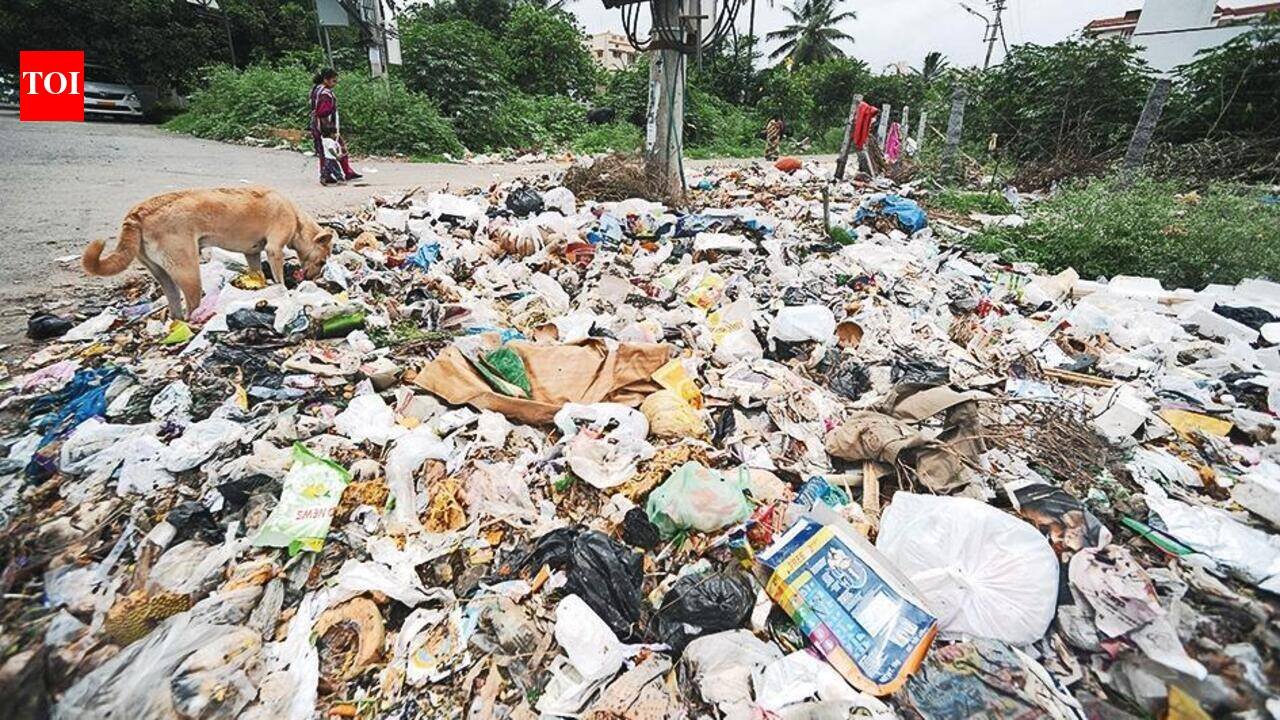
Bengaluru: Efforts to expand the city’s door-to-door waste collection fleet have hit a roadblock, with contractors declining work orders for most of the newly approved tender packages.Bengaluru Solid Waste Management Ltd (BSWML) had proposed 33 packages to expand garbage collection through higher-capacity, GPS-enabled vehicles. Of these, 21 packages were recently approved by the cabinet. However, contractors have accepted work orders for only seven packages; the remaining will be re-tendered.Speaking at a public consultation on waste management, Bengaluru development minister Krishna Byre Gowda said: “We agree that our current fleet has a capacity that cannot cater to the entire population. We have around 5,300 autos with a capacity of 1 tonne each. Under the new tenders, the capacity is expected to increase to around 3 tonnes per vehicle. But now, we have issues with contractors who are not taking work orders. We have to go ahead and re-tender.”The new contracts are aimed at increasing collection capacity and using GPS-enabled vehicles to track the movement of waste from neighbourhoods to processing facilities. Gowda said authorities would continue garbage collection with the existing fleet until the new contracts were operational. “Despite the limitations, we’ll ensure that garbage collection happens properly,” he said.Residents also raised concerns about collection vehicles arriving at varying times, making it difficult for households to hand over waste directly. Gowda urged residents to continue segregating waste and make arrangements for workers to collect it when they are unable to hand it over themselves.“If you can’t give your garbage directly to the auto, segregate it properly, keep it in separate bins and leave it near your house for our workers to collect. If stray dogs are an issue, residents can make arrangements to hang the waste within their compound so that our staff can pick it up,” he said.What citizens suggest■ Smaller electric collection vehicles alongside larger ones on narrow residential roads■ Standby vehicles and two additional pourakarmikas to deal with breakdowns and staff shortage■ Piloting night-time collection in select areas■ Including waste segregation requirements in rental agreements, prescribing penalties■ Involving think tanks, experts and citizen groups in BSWML’s planning and policy discussions■ New residential & commercial buildings to provide space for waste storage and segregation■ Relocating dry waste collection centres & transfer stations away from major roads
