



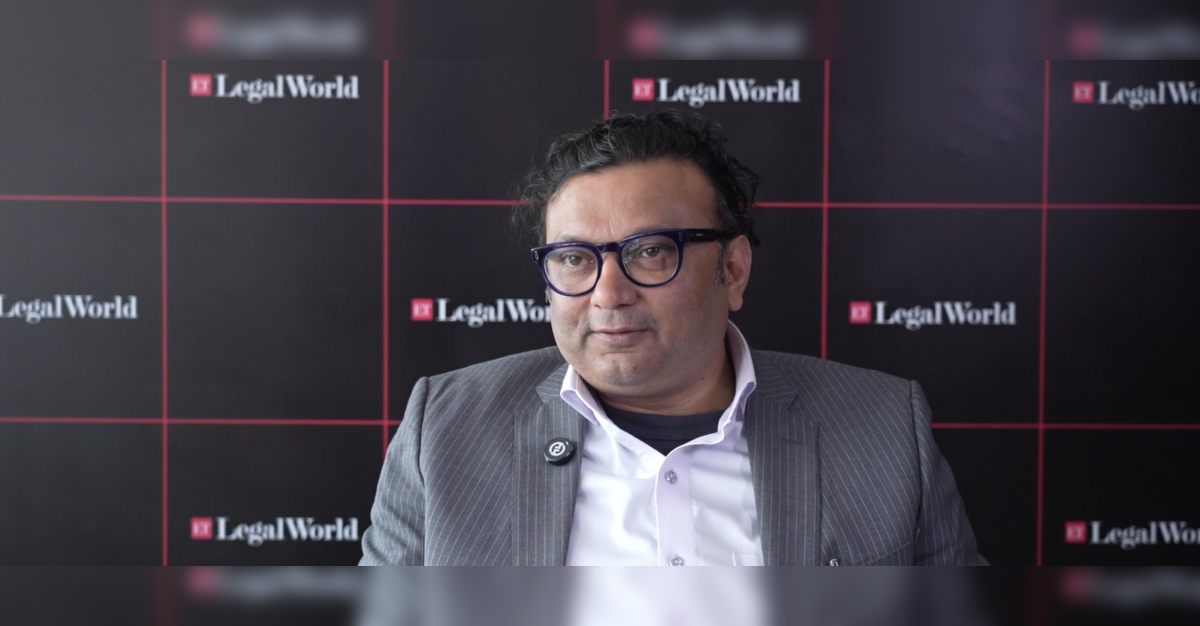
Land acquisition and right-of-way (ROW) issues are emerging as major causes of disputes in large infrastructure projects, with delays having significant implications for overall project costs, Yogen Vaidya, Partner, Forensic & Integrity Services, Ernst & Young LLP, India, said on the sidelines of the 5th Edition of the Commercial Dispute Conclave on September 11.
Vaidya was speaking after the launch of a survey on infrastructure disputes at the ETLegalWorld Commercial Disputes Conclave. The survey was released by the Attorney General of India at the conclave.
He said the survey found that disputes in infrastructure projects were largely linked to land acquisition and ROW issues, rather than being primarily driven by scope changes as may commonly be perceived.
“When we did the survey, it really came out that majority of the issues were relating to the land acquisition, ROW,” Vaidya said.
He said the challenge was particularly significant across large infrastructure projects, including highways, road construction, transmission lines and renewable energy projects, where acquiring both private and government land has become increasingly difficult.
According to Vaidya, delays in land acquisition at the initial stages of a project can have a cascading impact on subsequent phases of the engineering, procurement and construction (EPC) cycle.
“Because with every delay, obviously the land acquisition which has to happen in the beginning of the project will have a larger ramification on all the other phases which will be part of the overall EPC platform,” he said.
Vaidya noted that 56% of respondents identified ROW-related issues as a cause of infrastructure disputes. He said the regulatory framework governing land acquisition, whether involving government or private land, remains onerous and can significantly affect overall project costs.
On dispute resolution, Vaidya said there is also a growing shift away from conventional arbitration, despite continued confidence in the mechanism.
“People are going away from conventional arbitration. Obviously, the survey said almost like 70% plus are really still hopeful, but because of the challenges, because of court interventions and enforceability is really becoming difficult where people are not really able to see money at the end of the arbitration,” he said.
He said this has contributed to greater interest in mediation and hybrid dispute-resolution mechanisms, particularly where parties can resolve differences on critical issues and unlock amounts otherwise stuck in disputes.
“Almost like 12% of the people said they would go into mediation part of it or some bit of hybrid mechanism where you are able to do the settlement, you are able to reduce the differences on critical issues,” Vaidya said.
He added that mediation and settlement mechanisms are likely to play a greater role in the alternative dispute resolution landscape as parties look for ways to resolve disputes without prolonged arbitration and court proceedings.
