



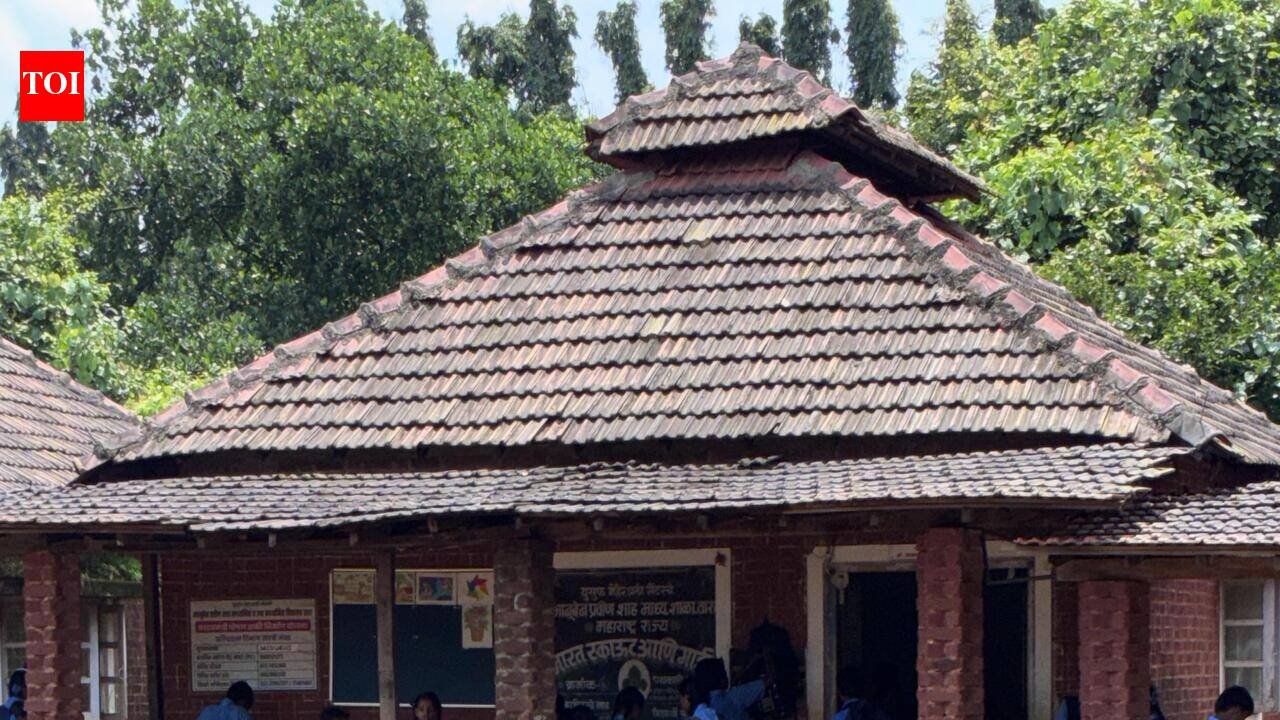
Mumbai: While many view the controversial AI data centre site in Maharashtra as a neo-colonial intrusion that will deplete the land, just 100 km away lies its antithesis–a 14 acre serene green campus that nurtures a Gandhian model of sustainable rural development. The Yusuf Meherally Centre, named after Mumbai’s youngest mayor, is hosting its first ‘Festival of Alternatives’ that seeks to bring together nature lovers, students, social entrepreneurs and anyone drawn to the idea that relentless consumption may not be the only—or even the most rewarding—measure of progress.The three-day festival (Oct 2-4) in Panvel, alongside Karnala Bird Sanctuary, will celebrate indigenous practices and approaches that have long been the intangible force that distinguishes India. Through panel discussions and workshops, farmers, conservationists, craftsmen and activists will present ideas that put people and the planet before profit. “We want to showcase alternative ways of living and earning,” says festival coordinator Guddi S L. “Today’s youth seems really interested in conserving nature, but are distracted by the dominant consumption economy and lifestyle.”Speakers include environmentalist Bittu Sahgal, water expert Rajendra Singh, social activist Medha Patkar, Paani Foundation head Satyajit Bhatkal, and many others, who will prod participants to think about radical alternatives on renewable energy, food systems and climate action. Mental health advocate Raj Mariwala and TISS professor Dr M Sivakami will discuss an alternative rights-based approach to mental wellness. Immersive experiences will include learning permaculture, papermaking, forest walks, natural dyeing, pottery and circular economy practices. A gentle meditative counterpoint to the day’s discussions features guided star-gazing with telescopes set up on the grounds.A team from Gandhi’s Wardha ashram has recreated the maverick freedom fighter’s little house, built from the mix of brick, mud, wheat husk and cowdung, with natural ventilation that enables a flow of light and air. Thousands of students have already visited this and other non-urban delights like the butterfly garden and organic farm over the years. Mumbai-based nature educator Sahir Doshi, 33, says he remembers his first nature camp at the Yusuf Meherally Centre when he was a child, and it opened his eyes. “The Western Ghats is a biodiversity hotspot which should stand alongside Serengeti or the Amazon, and the Yusuf Meherally Centre became a base for us to discover that,” he says, adding that natural resources cannot be viewed only in terms of numbers. “This place puts you back on the ground.”The festival marks the first death anniversary of the Centre’s Gandhian founder, Dr G G Parikh, who passed away peacefully at 101 years, miraculously on his mentor’s birthday, Oct 2. When Dr Parikh started the Centre in 1961, in the largely tribal area of Tara, Panvel, he sought to promote sustainable living, communal harmony, and ideas that nourished simple living, high thinking. He was advised by the then Vice President Zakir Hussain to name the Centre after Yusuf Meherally, who served as mayor of Mumbai in 1942.Over the years, the Centre developed various arms. Forty years ago, Dr Parikh’s late wife and fellow socialist Mangalaben Parikh envisaged a school for village children in the style of Shantiniketan, where she had studied. Classes take place inside Mangalore-tiled villas replicating the charm of Gandhian architect Lauri Baker — a stark contrast from the block-ish and often crumbling school buildings in rural tribal villages that have currently been brought to the nation’s attention. A girls’ hostel (with 117 students) has contributed to raising the marriage age of tribal girls in surrounding villages. A primary healthcare centre features visiting doctors from neighbouring medical colleges and specialists from Mumbai; and a skill centre trains youth in plumbing, fashion design, electrical work, basic and advanced computer training.The campus dotted with cottage industries feature training of soap-making, oil pressing, dairy and vermiculture, recycled furniture and pottery. The Centre’s volunteers have also been working in other parts of the country on healthcare, education and skill development, especially to empower women and adivasis in Gujarat’s Kachchh, Tamil Nadu, Odisha, Uttar Pradesh and Madhya Pradesh.According to historian Ramachandra Guha, Yusuf Meherally was born in Bombay in 1903, studied at the Bharda High School and at Elphinstone College, where he acquired a formidable reputation as a debater. He had a law degree, but was denied a licence to practise because he became active in the freedom struggle, especially in the protests against the all-White Simon Commission in 1928. His participation in the Salt Satyagraha landed him in jail. He was elected mayor of Bombay in 1942. Folklore has it that Meherally came up with the slogan ‘Quit India’. He did indeed come up with that other resonant slogan, ‘Simon Go Back!’ Says Guha, “Meherally’s lifelong quest for mitigating human suffering went alongside a keen interest in art and literature, as well as a precocious environmentalism.”(The Festival of Alternatives takes place Oct 2-4 in Tara, Panvel. For more information, log on to www.festivalofalternatives.com or @festival.of.alternatives on Instagram)
