



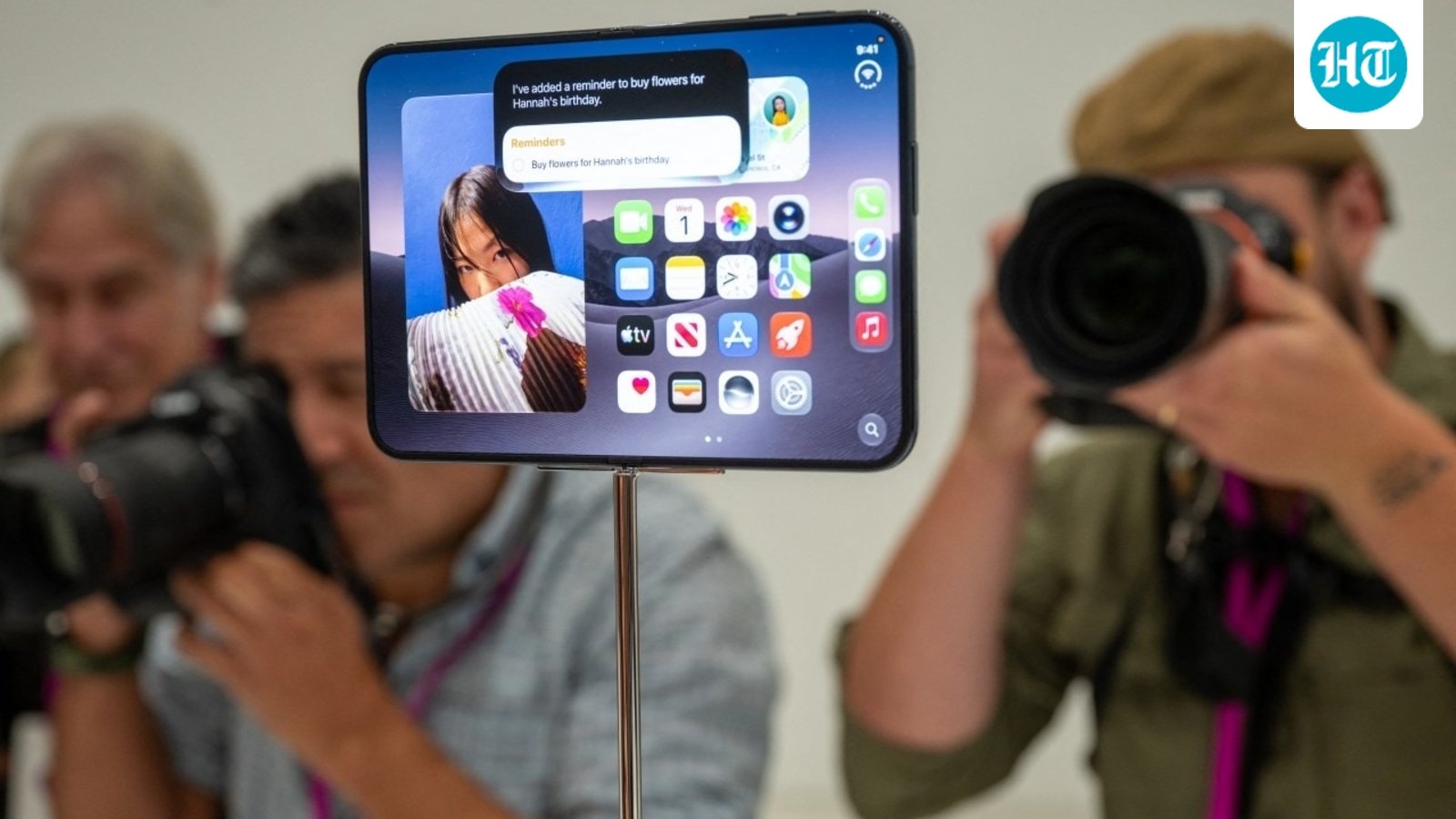
Finally there is a Siri that works like ChatGPT. The problem for Apple is that the goal posts have already moved.
The highlight of Apple’s new smartphone software, released Monday, is a redesigned Siri that works like ChatGPT, Claude and other chatbots. It can have a conversation, draft an email, search through texts and photos, and respond to complex search queries.
But in the time Apple’s been working on that, a new class of AI assistants has emerged that can do all of that and more. They can book travel, fill out online forms, cancel appointments, even file a complaint with customer service.
In other words, they can act like the personal secretary that so many people want from artificial intelligence, completing the mundane but necessary tasks of modern digital life.
That keeps the pressure on Apple’s new chief executive, John Ternus, to have Siri make the leap from chatbot to agent. He used his first public words as the company’s leader to sell the idea that the iPhone is the best AI device on the market. Kicking off Apple’s product event last Wednesday, Ternus described the iPhone as an “intelligent personal hub” that is ideally engineered to deliver AI experiences of the future.
But comparing the revamped Siri with other new AI assistants illustrates how far Apple has to go to reach the leading edge in consumer AI.
One of the assistants is called Instinct. Launched over the summer, and already valued at $2.5 billion, Instinct is the work of an 11-person startup, built on top of an open-source Chinese AI model. The invitation-only service is surging in popularity in Silicon Valley because of its ability to do many of the things Siri users have asked for.
Instinct’s service exists outside of Apple’s walled garden. It isn’t a smartphone app in the traditional sense. It’s an AI running in the cloud that users connect to their Gmail accounts, say, and chat with via iMessage or WhatsApp.
Instinct can spot conflicting travel bookings on your calendar, then cancel and rebook. It can surface reliable restaurant recommendations nearby, obviating long searches through Google Maps or Yelp. Say a kid’s soccer team requires parents to create an account on an obscure website. Instinct can register for the account, read the website, pull all the locations and times for games, and add them to a personal calendar.
Instinct works by running a virtual web browser in the cloud that visits websites to complete everyday online tasks that aren’t complicated but that take time and several steps.
And it’s not alone. Meta Platforms has built a similar tool called Muse that has risen in popularity since its launch last week. It was downloaded nearly 600,000 times in its first five days, estimates SensorTower, making it nearly as popular as ChatGPT in its first five days. With a consumer footprint as large as Apple’s, Meta is in an even better position than any startup to win users over to its AI agent, and at the same time threaten Apple’s ecosystem.
The new Siri AI doesn’t surf websites for users yet; it’s built to navigate iPhone apps. It does this well with Apple’s own apps, and some third-party developers have opened up their apps so Siri can navigate them. But some important ones haven’t yet, such as Google, so Siri can’t work seamlessly yet with Gmail, for instance.
Apple’s play is to emphasize the iPhone’s privacy protections. While “others see data as something to collect and store,” Apple keeps users’ data private, Ternus said. True, tools like Instinct and Muse see information inside the email account you connect to it, for instance. There are fears they could delete emails, which Meta has said itself, or charge a credit card without authorization.
But former Apple AI staffers say that its privacy stance can slow its own product development and degrade the AI experiences it is able to offer on its platform. Consumers might be willing to share their data with services that offer huge jumps in capability.
A risk to Apple is that if stand-alone AI apps vastly outperform Siri, it might become easier for users to switch to cheaper Android phones, or not pay the high price to upgrade to Apple’s latest devices. People pay a premium for iPhones because they perceive value in the tight coupling of hardware, software and apps inside Apple’s ecosystem. That could change if the real value is in a non-Apple AI assistant from Instinct or Meta.
The new Siri AI at least gets the company into the AI conversation again, but Ternus has quite a bit of development work to do before the iPhone is really the best “intelligent personal hub” he is promising.
Write to Rolfe Winkler at Rolfe.Winkler@wsj.com
