



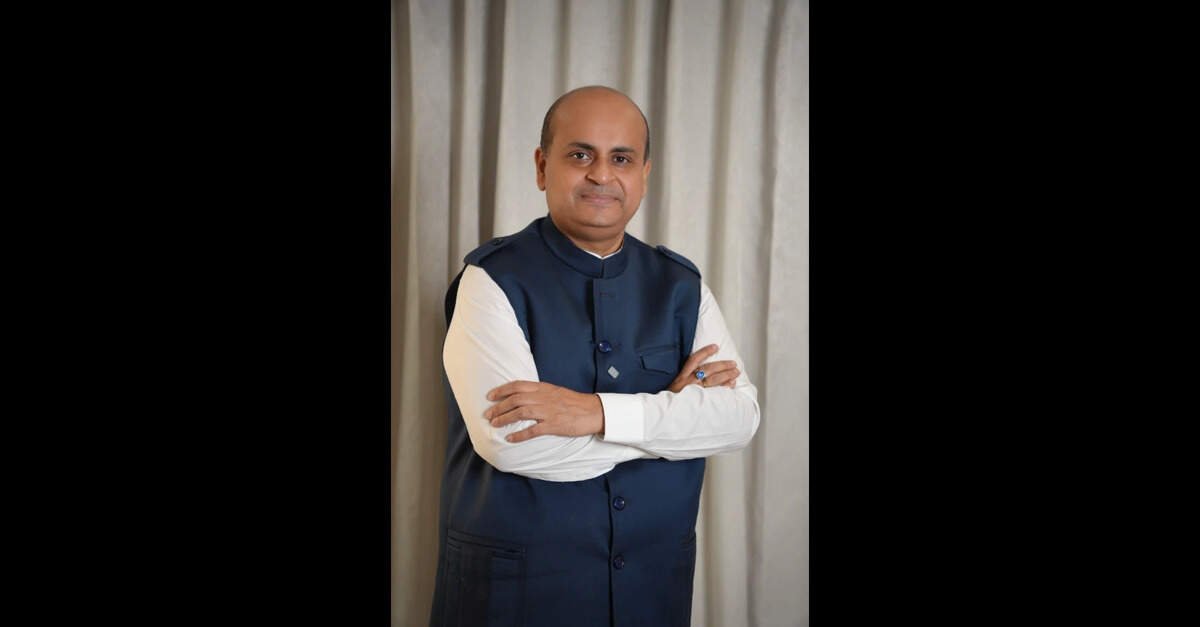
By Shailendra Bhadauria
The global job market requires university graduates to possess skills that outlast specific academic disciplines. For generations, higher education operated as the primary distributor of specialised information. Universities need to adapt their thinking in light of the digital technology that makes instant access to facts available. They are concentrating less on teaching static knowledge and more on equipping students with core competencies to apply information effectively.
The role of modern higher education
Universities should help students grow while preparing them for evolving career opportunities. It is easy to find technical facts online for anyone, but a degree is only valuable if it teaches students how to evaluate information. In the present time, modern university programs are moving away from traditional memory-based tests. Instead, they focus on building lasting skills that students will use throughout their professional careers.These key skills include logical thinking, data analysis, and teamwork. If academic spaces prioritise these areas, it will ensure higher education stays relevant as industries change. The main goal is to create classrooms where students actively solve complex problems instead of just sitting back and memorising data. Ultimately, universities must prove their worth by teaching students how to think, create and solve real-world situations.
Designing adaptable frameworks
The curriculum that focuses on capabilities emphasises the acquisition of analytical skills rather than the retention of information. While software and technologies are constantly evolving, underlying analytical principles are not going through any significant changes. Students in universities learn to acquire the mindset of a researcher, analyst, and designer, which will help them acquire new skills and adapt to an evolving industry.This approach allows graduates to acquire additional technical expertise independently during their careers. Colleges and universities provide learners with a strong foundation for further education by creating academic programs with logical reasoning and ethical decision-making at their core. Thus, graduates come to the market equipped to cope with any future challenges. This enables learners to be seen as proactive problem solvers who assess information, not simply consumers absorbing lectures.
Implementing active learning models
Universities are replacing passive lectures with interactive classrooms that are increasingly solution-oriented. These modern academic spaces use collaborative projects and real-world case studies. Students solve open-ended problems to practice managing project timelines. They also learn to analyse incomplete data and coordinate across different fields.These experiences match the fast pace and cross-functional environments of professional life. Professors guide discussions instead of just delivering facts. They are becoming facilitators of discovery rather than just being a source of information. This setup allows students to test academic theories immediately, which builds confidence. They also learn how to clear project hurdles and work within a team.
Objective methods of assessment
Standard tests and multiple-choice exams cannot accurately measure student capabilities. Instead, universities use continuous evaluation, portfolio reviews, and peer feedback to see how a student actually develops. These practices show how well students apply abstract concepts to real situations, handle setbacks, and improve their work over time.
This feedback method helps students learn to evaluate their own progress, which supports long-term professional growth. Instead of grading based on simple compliance, assessments check how deeply a student analyses data. Moreover, it also shows how clearly they communicate and how effectively they update their work when given new evidence. Professors look at the whole learning process rather than checking only the final answer.
Preparing future professionals
The main goal of this shift in the educational model is to ensure university programs remain practical by producing graduates who can navigate industry changes. Students enter the workforce ready to solve complex problems and meet evolving workplace demands. This is why it is necessary to emphasise capability building to ensure that university programs not only remain practical but also relevant and impactful.
By emphasising consistent, transferable skills, post-secondary institutions can honour their commitments to successful graduates in the long term. Harmonising workplace requirements with academic training is beneficial in establishing a sustainable mechanism. Thus, alumni enter the job market equipped with both resiliency and necessary analytical flexibility to navigate a dynamic work landscape.
Shailendra Bhadauria is the Chancellor of Pratap University, Jaipur (Rajasthan).
DISCLAIMER: The views expressed are solely of the author and ETEDUCATION does not necessarily subscribe to it. ETEDUCATION will not be responsible for any damage caused to any person or organisation directly or indirectly.
