



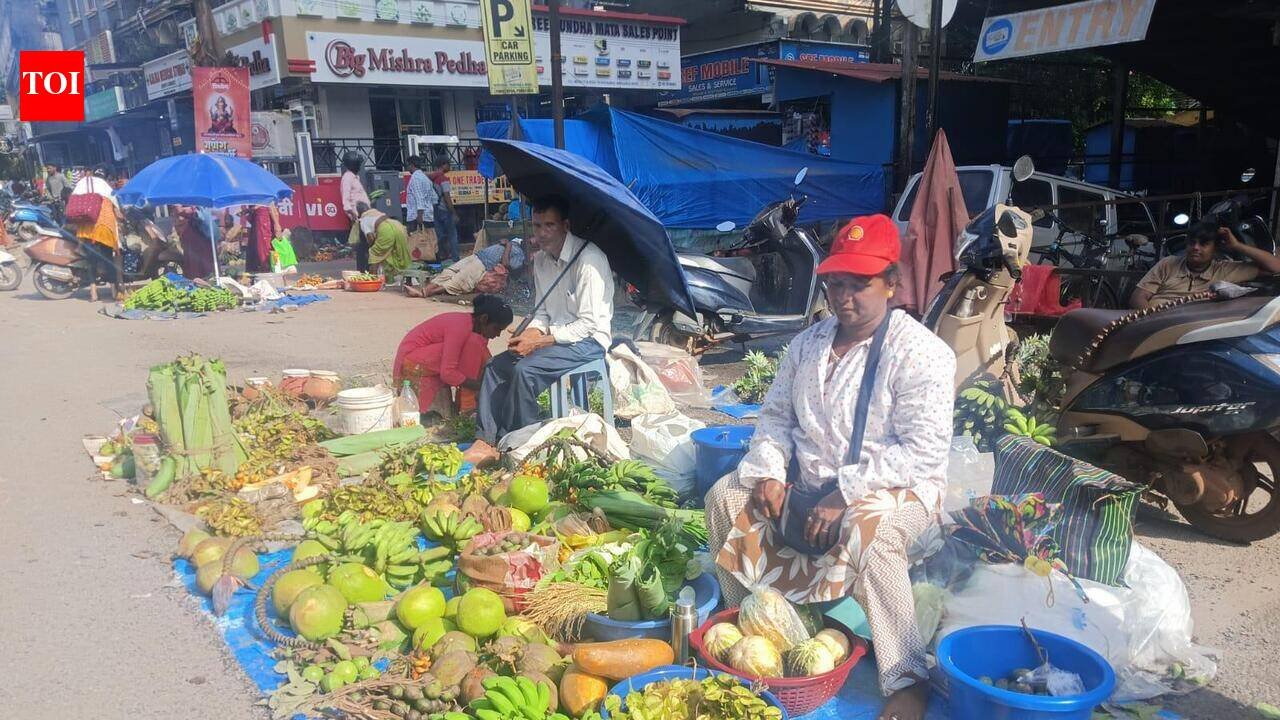
Ponda: As Ganesh Chaturthi approaches, the streets of Ponda market come alive with the traditional ‘Chavticho bazaar’, bringing together more than 100 vendors from villages in the taluka to the town.Vendors bring a variety of naturally available items, many of which are collected from forests, bhaats (farm land), and kulaghars. For many of these vendors, the bazaar is not merely a place of trade but an opportunity to earn an extra penny during the festive season.Sujata Naik from Nirankal-Dabal, one of the vendors at the matoli bazaar, said that considerable effort goes into collecting the matoli items she sells. “We put in all our efforts to bring these items from the forests and our bhaats. If we cannot find certain items, we have to buy them for further sale,” she said.However, the earnings do not always match the effort involved. Naik said that vendors have to pay the municipality for the space where they set up their stalls. Despite the expenses involved in collecting, transporting and arranging the products, she earns only around Rs 5,000 to Rs 6,000 during the bazaar days.Appealing to customers to avoid excessive bargaining, Naik said, “Vendors already have several expenses to manage, and reducing the price further can make it difficult for them to afford their daily and festive necessities.”A similar concern was raised by Priya Satarkar from Curti. She said that vendors have families to support and that the income earned from the bazaar helps them manage their household expenses.“We cannot afford everything easily. If people keep bargaining, it becomes difficult for us to manage,” Satarkar said, adding that the Ponda Municipal Council charges Rs 400-Rs 500 for a small area.Despite the challenges, the vendors continue to return to the ‘Chavticho bazaar’ every year. Their stalls represent more than just products for sale—they reflect traditional knowledge, local resources and the efforts of village communities to preserve their way of life.
