



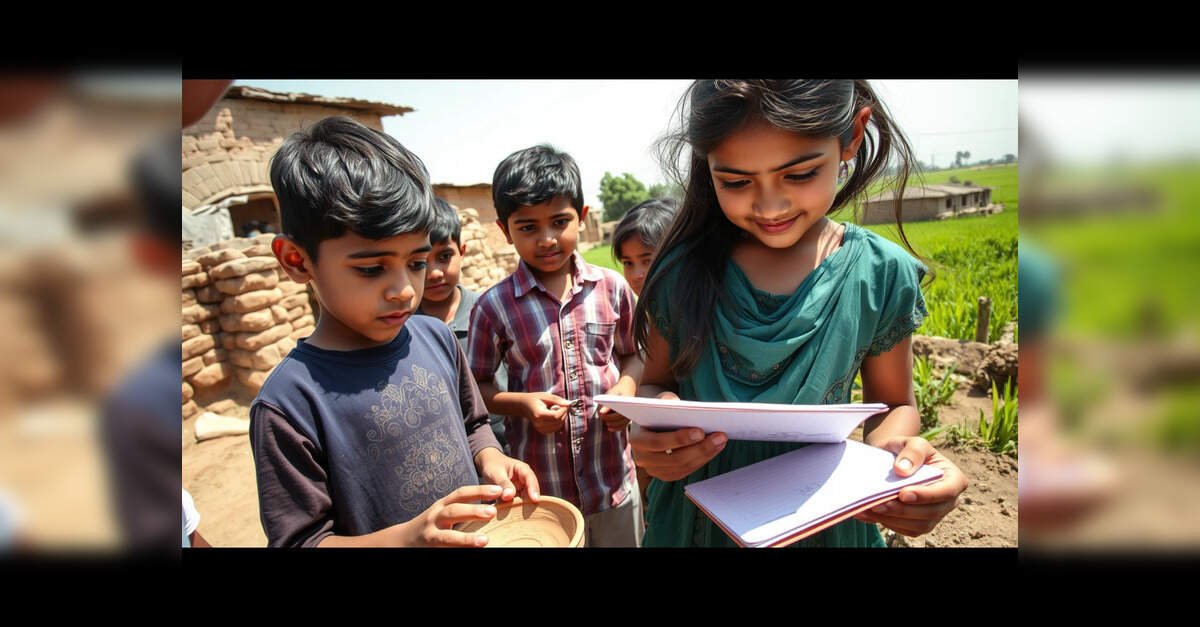
Haryana will introduce a 10-day bagless learning programme across 250 PM SHRI government schools during the 2026-27 academic session, giving students practical exposure to vocational skills, traditional occupations, and emerging fields beyond conventional classroom learning.
The initiative is aimed at giving students practical, hands-on exposure to skills, professions, and activities that are often beyond the scope of conventional textbook-based education. Students will get opportunities to learn from local artisans, farmers, professionals, and representatives from different industries, allowing them to understand how knowledge is applied in the real world.
The programme has been planned in line with the objectives of the National Education Policy (NEP), which places greater emphasis on experiential learning, vocational education and the development of practical skills among students.
551 skill sectors identified across PM SHRI schools
The Haryana education department has identified 551 skill sectors across the 250 PM SHRI schools for training and practical exposure.
At present, 14 sectors are already being covered, with 183 schools offering training in these areas. The remaining schools are expected to be gradually brought under the programme.
The bagless learning days will allow students to step away from their regular academic routine and participate in activities based on their interests. The focus will be on helping them understand traditional skills, local occupations and vocational activities through direct observation and practical experience.
Officials believe the initiative can also help students explore possible career pathways at an early stage while developing a better understanding of the work and skills involved in different professions.
Class 6 students to prepare three projects
As part of the programme, Class 6 students will be required to prepare three projects during the academic year.
The projects will be linked to the skills and activities students learn during the bagless learning days. The exercise is expected to encourage students to observe, explore and apply what they have learnt rather than limiting their learning to classroom lessons.
The programme will include a mix of outdoor visits and indoor activities, with schools expected to design learning experiences that expose students to their local communities, workplaces and traditional occupations.
From farms and markets to industries and historical sites
Outdoor learning will form a major part of the initiative. Students may be taken to nurseries, solar energy parks, biodiversity parks, farms, industries and training centres. Visits may also be organised to panchayats, vegetable markets, railway stations, police stations and Krishi Vigyan Kendras.
Historical and cultural sites may also be included to help students understand the social, cultural and economic significance of their surroundings.
A key feature of the programme will be interaction with people involved in traditional and local occupations. Students may meet farmers, potters, carpenters and other artisans to gain a first-hand understanding of their work, skills and livelihoods.
A push to make school learning more practical
The 10-day bagless learning programme is expected to provide students with exposure that conventional classroom teaching may not always offer.
The initiative could help students identify their interests, understand local and emerging professions, and develop practical skills alongside their formal education. It also seeks to reduce the gap between what students learn from textbooks and what they see in everyday life.
For Haryana’s government school students, the programme could mean that learning will no longer remain limited to notebooks, lectures and examinations for those 10 days. Farms, workshops, markets, industries and communities are set to become classrooms as the state pushes to make education more practical, skill-oriented and connected to the real world.
