



NEW DELHI: India’s passenger vehicle market appears to be moving beyond the phase where alternative powertrains were a niche choice. In Aug, CNG, hybrid and electric vehicles together overtook petrol-powered cars for the first time, pointing to a broader change in how buyers are weighing fuel costs, technology and long-term ownership.Alternative fuels accounted for 41.9% of passenger vehicle retail sales, edging past petrol at 40.8%, according to FADA. CNG was the biggest contributor with a 25.2% share, followed by hybrids at 9% and EVs at 7.6%. A year ago, petrol had led the alternative-fuel basket by nearly 11 percentage points. Diesel cars, meanwhile, accounted for 17.2% share of retail sales.
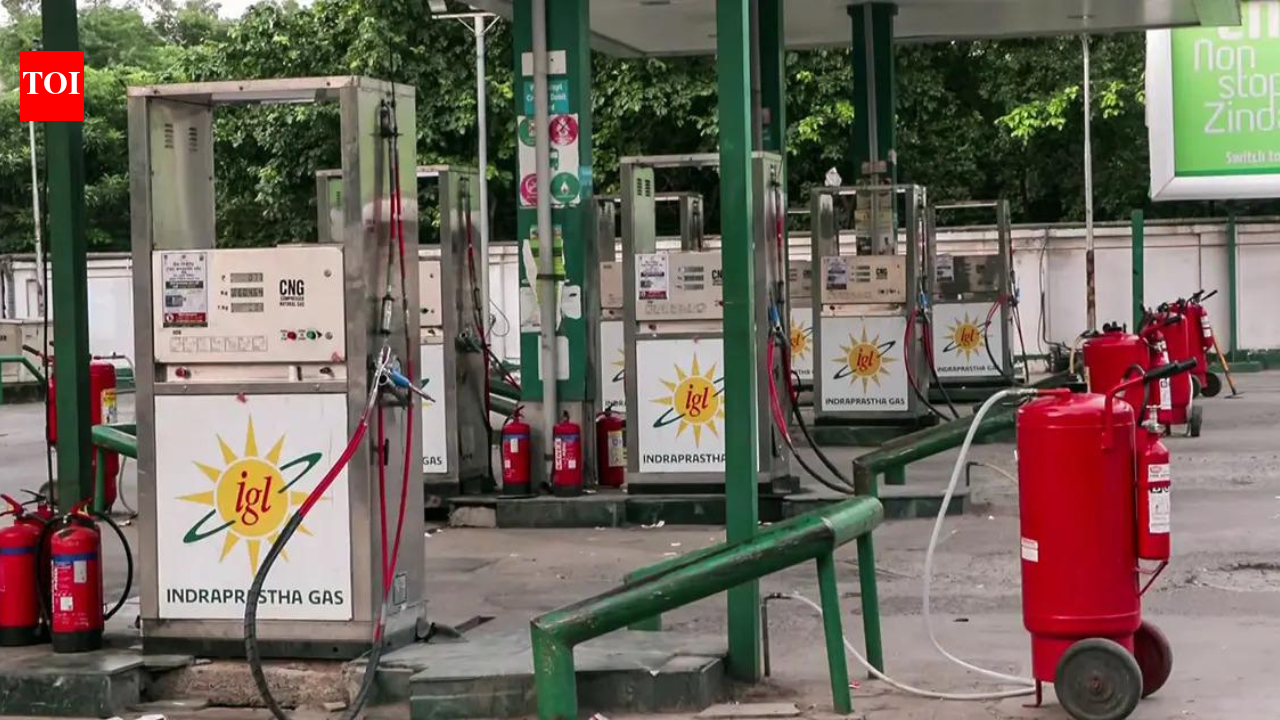
CNG biggest alternative to petrol
The crossover is significant because it is not being driven by a single technology. CNG has become the biggest alternative to petrol on the back of lower running costs, hybrids are finding more takers among buyers seeking better efficiency without depending on charging infrastructure, while EVs continue to expand their footprint.FADA said running-cost economics and continuing hesitation around the E20 transition were nudging buyers towards CNG, hybrids and EVs. Petrol, however, remains the single-largest individual fuel type.Among manufacturers, Maruti Suzuki dominated the CNG segment with around 71% share, while Tata Motors led electric passenger vehicles with around 43% share.The shift is also visible beyond cars. In two-wheelers, EV penetration rose to 10.7% in Aug from 7.7% a year ago, crossing the 10% mark in a non-festive month for the first time. That suggests electric scooters are increasingly moving beyond early adoption and becoming part of the mainstream commuter market.Three-wheelers are already much further along that transition. EVs accounted for 65.3% of sales in Aug, up from 56.6% a year earlier, making the category structurally electric. Commercial vehicles are starting from a much smaller base, but EV share more than doubled to an all-time high of 5.2% from 2.1%, indicating that electrification is beginning to move beyond pilots into fleet purchases.Across all vehicle categories, EV retail sales reached 2.98 lakh units in Aug, up 52.9% year-on-year. The broader signal is that India’s mobility transition is no longer centred only on EVs; consumers are increasingly choosing from a wider mix of alternatives to petrol depending on use case, price and infrastructure.
