



orPrajaseva’s real test will be in execution, not intent
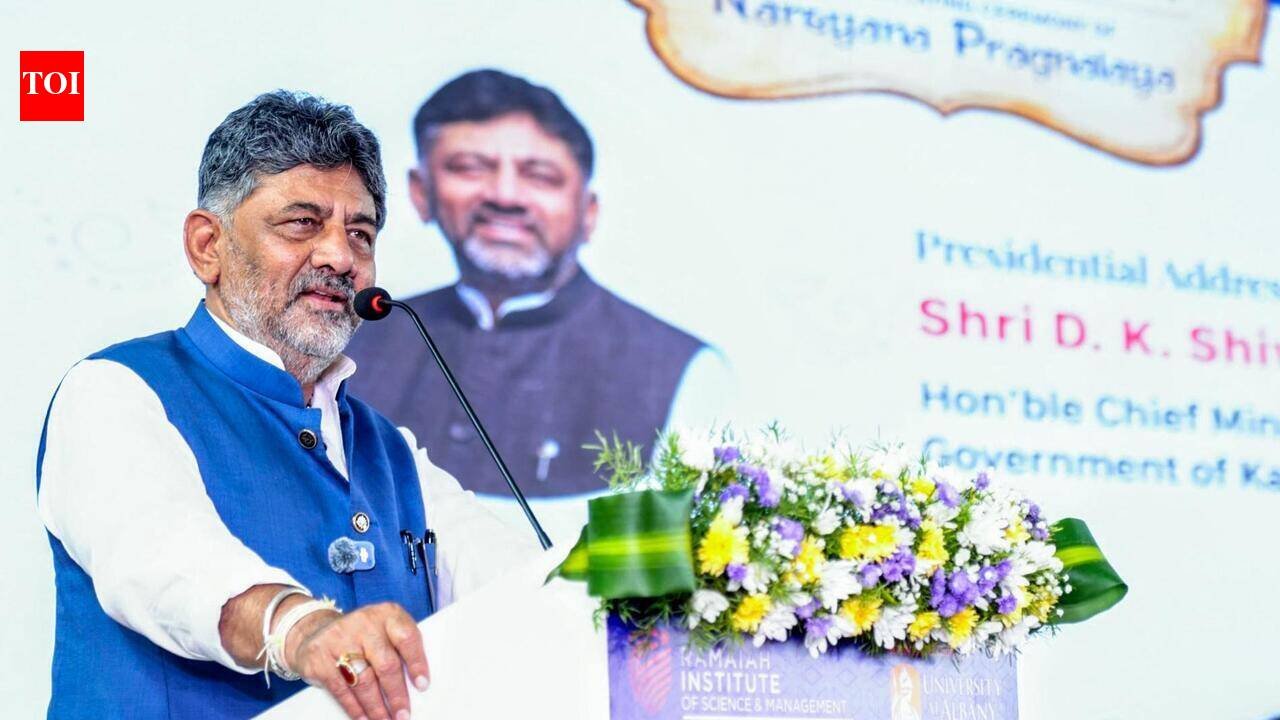
Chief minister DK Shivakumar addresses the gathering at an event in Bengaluru
Bengaluru: The govt’s decision to create a separate Prajaseva department and roll out the Prajaseva Abhiyana to take administration closer to citizens is a welcome move, but its real test lies in execution rather than intent.For the common citizen, dealing with govt offices has long meant repeated visits, endless waits for files to move and running between departments for routine work. This initiative, if implemented in the spirit it was announced, could end all that.The pitfall though is allowing it to go the Sakala way. The guarantee of services to citizens scheme was launched on April 2, 2012, by the BJP govt led by DV Sadananda Gowda, backed by the Karnataka Guarantee of Services to Citizens Act, 2011, to ensure time-bound delivery of public services. Sakala has since faced criticism over high rejection rates in specific departments and poor compliance in urban districts like Bengaluru.Prajaseva, a concept borrowed from a Bangalore Development Authority initiative launched by commissioner P Manivannan, addresses a problem familiar to most citizens: Whether it is securing a certificate, getting a mutation done, resolving a land dispute or following up on a pending application, people often find themselves shuttling between offices. For the poor, elderly and rural residents, every visit means lost wages and dependence on others to navigate the bureaucracy.Political strategist MB Maramkal called it a welcome move. “There is a widespread public perception that files simply do not move without greasing palms,” he said. “While honest and committed officials exist, unexplained delays and procedural hurdles often create opportunities for middlemen and corruption. People are frequently left wondering whether their work is genuinely pending or whether someone is waiting for an unofficial payment.”Maramkal said a system that brings officials face-to-face with citizens, records grievances and fixes responsibility for disposal could reduce the scope for people being sent from desk to desk. He said the initiative also allows fresh complaints to be registered alongside those unresolved through platforms like Sakala or the integrated public grievance redressal system.However, analyst Vishwas Shetty struck a more cautious note. “Accountability will be key,” he said. “If an application is pending for months, the system must establish why and who was responsible. Merely transferring complaints between departments cannot pass off as redressal. Ministers and officials conducting Prajaseva meetings must periodically review whether promises were fulfilled.”He said technology should let citizens track grievances and escalate complaints if deadlines are missed, while ensuring the system also reaches those uncomfortable with digital platforms.“Prajaseva’s success will not be measured by the number of meetings held or petitions collected,” he said. “It will be measured by a simpler test: Did the citizen get work done without repeated visits, middlemen or having to grease anyone’s palm?”GC Chandrashekar, Congress MP, said, “Public grievances are the most honest feedback on govt functioning. The system must enable two-way communication, informing citizens about the next steps when complaints are received. Prajaseva should also restructure departmental functioning to make it more responsive. Transparency in grievance redressal can be improved through technology. Finally, the govt should and will focus on last-mile delivery, taking approved services to citizens’ doorsteps. Govt responsibility ends only when benefits reach citizens with dignity, integrity and speed.”
