


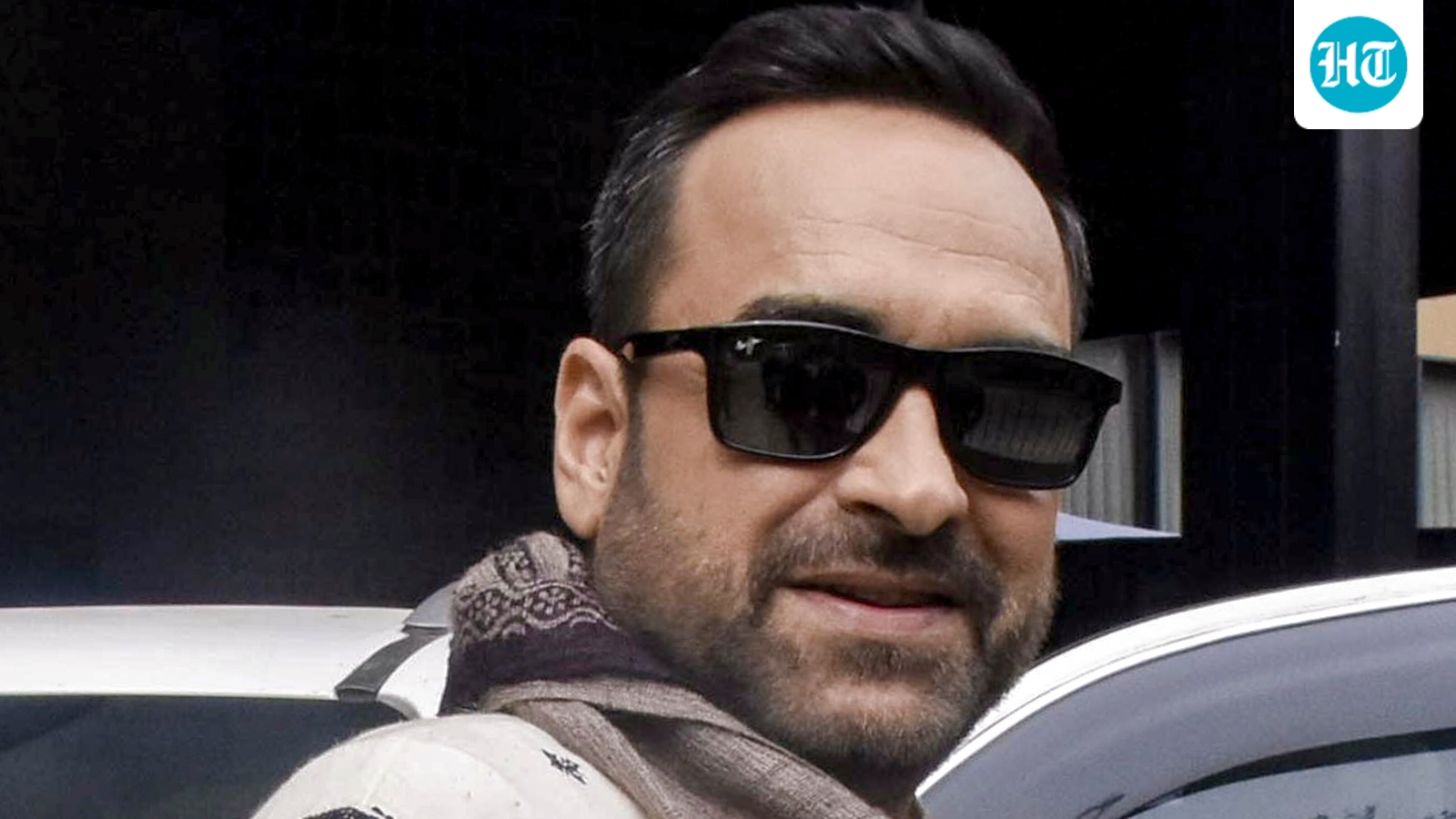
The rise of Pankaj Tripathi in the Hindi film and television industry deserves to be studied. Born in a village in the Gopalganj district of Bihar, he helped his father in farming as a teenager. He went on to pursue higher education in Patna before his love for the performing arts made him shift to Delhi to enrol in the National School of Drama, from where he graduated in 2004.
Over the following years, he appeared in minor roles in films and television before getting his breakthrough in the 2012 film Gangs of Wasseypur, directed by Anurag Kashyap. Since then, the actor has had a meteoric rise in the industry, stealing the show in films like Nil Battey Sannata, Bareilly Ki Barfi, Stree, and Ludo, and starring in television series such as Mirzapur and Criminal Justice.
The National Award-winning actor celebrates his birthday every year on September 5. Today’s quote commemorates him and is an excerpt from his 2022 interview on Unfiltered by Samdish. It reads:
“We are the ones closest to our hypocrisy. John Milton has said that, after God, hypocrisy is the thing that prevails all around us but is not noticed. We can lie to the world, but how can we lie to ourselves? We will know.”
What is the meaning of Pankaj Tripathi’s quote?
Pankaj Tripathi acknowledges one of the most human characteristics through the quote, which also happens to be the one that most people try to hide. Hypocrisy is present all around us. The core of the idea is that no man is Superman, and even if he holds himself to very high standards, some of his words or actions are bound to be laced with hypocrisy, on account of his being a normal human being.
The 49-year-old actor quotes poet John Milton while making his point, noting that the latter believed that hypocrisy is the thing that is present, unnoticed, all around us, like the Almighty themselves. But he also notes that while being a hypocrite, a person is aware of his own actions, because one can lie to the world, but never to themselves.
What is the relevance of Pankaj Tripathi’s quote?
Pankaj Tripathi’s quote serves as a reminder that it is best not to put a human on a pedestal and consider anyone beyond hypocrisy. At the same time, when becoming aware of an individual’s hypocrisy, one should meet the person with the same courtesy that they would expect for themselves if the situation were reversed, because at some point or another, we have all been hypocrites ourselves, and we are well aware of it.
