


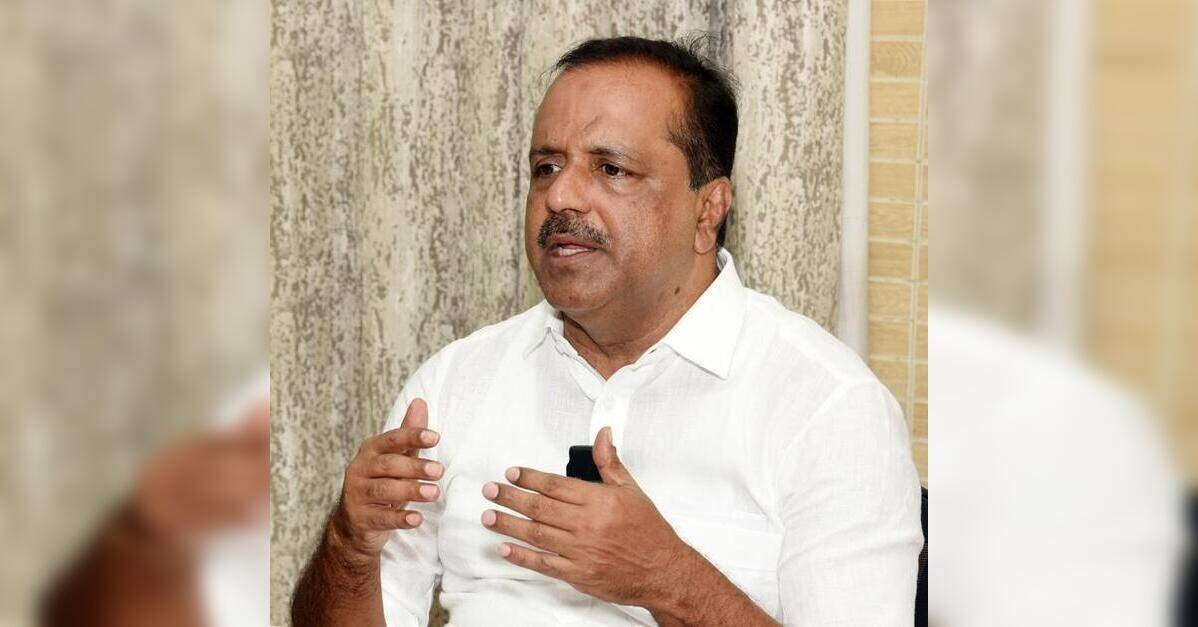
Bengaluru: The state govt is planning to seek views from students, parents, education experts and other stakeholders before finalising reforms in the education sector.
A decision to this effect was taken at the first meeting of the cabinet sub-committee on students’ issues and education reforms, headed by health minister UT Khader, held at Vidhana Soudha. School education minister Madhu Bangarappa suggested that a meeting of experts be convened first to obtain their views, followed by a detailed collection of information on each issue on the sub-committee’s agenda.
The panel also discussed launching a dedicated website to invite suggestions from students, parents, educationists and the public. Its members stressed the need to directly understand students’ problems and aspirations and frame reforms based on their feedback.
The sub-committee discussed six broad areas — integrity of examinations and recruitment; cost of education, fees and regulation of coaching centres; infrastructure and quality of public educational institutions; curriculum, skill development and employment linkages; students’ mental health and wellbeing; and access and equality.
Improving the recruitment process of the Karnataka Public Service Commission (KPSC) was among the key issues discussed. The committee deliberated on the possibility of adopting a system on the lines of the Union Public Service Commission (UPSC) and finding a permanent solution to irregularities reported in KPSC recruitment.
The ministers stressed the need for reforms to prevent recurrence of such incidents and ensure greater integrity in recruitment examinations.
The meeting was attended by higher education minister Basavaraj Rayareddy, home minister Priyank Kharge, medical education minister Sharan Prakash Patil, chief minister’s economic adviser LK Atheeq, additional chief secretary to school education and literacy department V Rashmi Mahesh, higher education department secretary Tulasi Maddineni and other senior officials.
The sub-committee was constituted to examine students’ concerns and aspirations and recommend reforms aimed at improving the education system and opportunities available to young people.
