


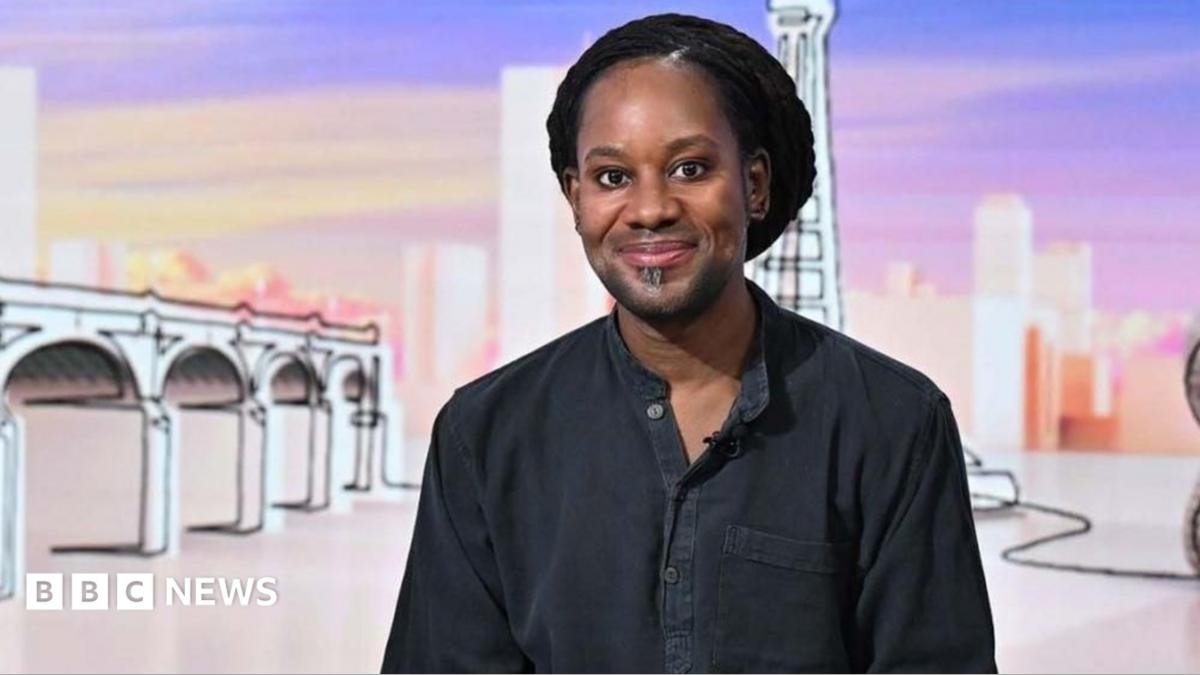
The University of Cambridge has launched an independent review into its “decision-making and actions” in the period leading up to former professor Jason Arday’s death.
The review will examine the support available to Arday before his death, as well as the wider context of his time at the university.
Arday, 41, was found dead at his home in London on 14 August, the week after resigning from his position as professor of sociology of education amid intense scrutiny over allegations of plagiarism. He had denied the claims.
Announcing the review on Friday, Vice-Chancellor Prof Deborah Prentice said the time since his death had been a “period of profound sadness and reflection for the university”.
“We worked very hard to support Professor Arday during an appalling period of external criticism and focus, but given the devastating outcome, we are still asking ourselves whether we could have and should have done more,” she said.
“This review will help us answer that question.”
In a post on social media, the University of Cambridge said: “University Council took the necessary steps to launch an independent review into the university’s decision-making and actions, with a focus on identifying shortcomings and areas for improvement.”
The first part of the review will look at the “support, interventions and protections” available to Arday in the period before his death.
Those findings will be reported within three months, allowing recommendations for “urgent action” to be considered and implemented “without delay”.
It will be led by Nazir Afzal, chancellor of the University of Manchester and former chief crown prosecutor for the North West of England.
Afzal said in a statement that “it is important that we approach this work with both rigour and humanity”, adding “we must be willing to ask difficult questions”.
The second part of the review will examine the wider circumstances of Arday’s time at Cambridge, including the recruitment of senior academic staff, mentoring and support arrangements.
It will also look at the university’s response to allegations of research misconduct and the support available to academics facing “extraordinary public and media scrutiny”.
An independent external chair will be appointed to lead the second part of the review, with an expert panel “including individuals with lived experience” advising it.
It is expected to conclude within six months of the panel being established.
In a video message, Prentice said: “I am conscious that Professor Arday’s death has deeply affected black staff and students, as well as our neurodiverse community.
“There has also been an unacceptable rise in racist, hateful, and abusive attacks on our staff and students in online forums and on social media.”
In 2023, the sociologist, then 37, became the youngest ever black professor at Cambridge.
Arday had faced allegations of plagiarism and questions about some of his achievements. He denied the claims, but admitted errors in his work.
Arday said some errors arose because of his autism, as he relied on using mimicry to make sense of information. He said similar scrutiny would find comparable errors in the work of other academics.
The allegations emerged after another academic – self-defined “race realist” Nathan Cofnas, who was sacked from his Cambridge role in 2024 – said he found numerous instances of plagiarism in the professor’s work.
Arday said the criticism had gone “far beyond scholarly disagreement”.
Resigning from his post in August, he added: “The relentless accusations, speculation and public commentary have taken a profound toll on me and those I love.”
Following his death, his family said they were “in shock to have lost this amazing father, partner, brother, uncle and son”.
They added: “The campaign of misinformation was too much for Jason, who was a gentle man and who always wanted to see the best in everyone.”
A vigil held in Trafalgar Square was attended by thousands, according to its organisers.
There have been calls for a public inquiry into media coverage of Arday before his death.
