


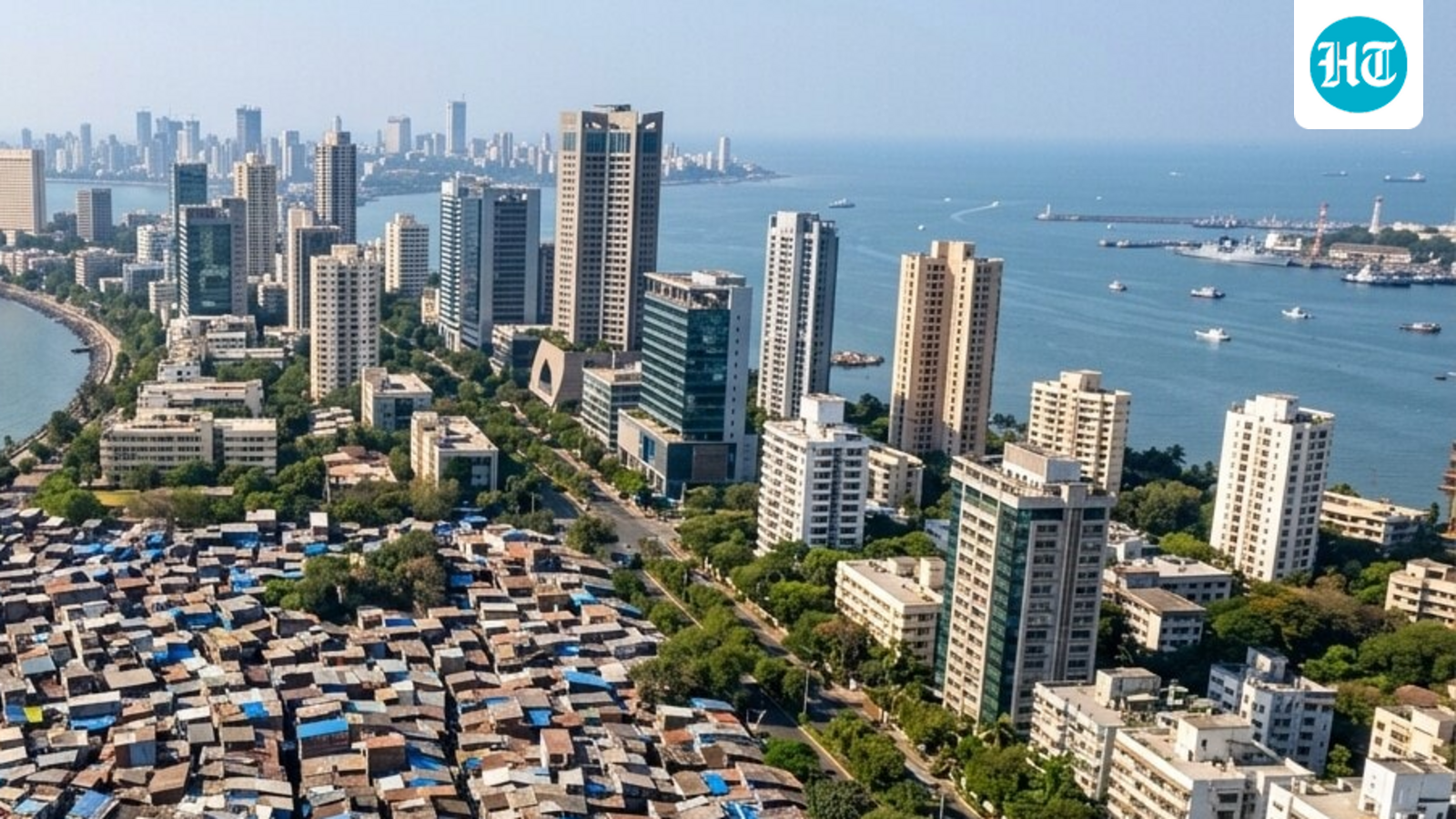
Mumbai real estate market’s redevelopment segment has reported more than 1,000 projects since 2020, comprising 13% of city’s overall residential supply and 15% of housing sales, according to a report released by JLL India and NAREDCO on September 3.

Five locations including Borivali, Malad, Andheri, Vikhroli, and Goregaon, account for around 36% of all projects since 2020, with the western suburbs dominating at 35-45% of both launches and sales (2025-H1 2026).
According to the report, redevelopment’s share of total housing sales has surged to 15% in 2025-H1 2026, up from 6% recorded over 2016-2021, confirming that homebuyers are now actively choosing redevelopment over greenfield alternatives.
The report said that currently there are 1,202 active slum rehabilitation projects covering 321,858 hutments across 2,156 acres, nearly 4x the total acreage completed in the 30 years since formation of SRA’s in 1995.
Also Read: Mumbai redevelopment: Homeowner says project stuck for 15 years, paying rent from their own pocket
“Major institutional players including have entered with mega-projects: The 101-acre Juhu Lane-Gilbert Hill cluster, Dharavi redevelopment, and the 420-acre Goregaon scheme at Motilal Nagar. A November 2025 policy reform removed individual consent requirements for large slum clusters, prioritizing execution over unanimity,” the report said.
13,500 cessed buildings require urgent redevelopment
According to the report, approximately 13,500 cessed buildings requiring urgent replacement across the city, the scale of opportunity is huge.
The Western Suburbs hold 22.4% of aging stock, South Mumbai 14.2%, with concentrations in premium corridors from Colaba to Borivali, the report said.
“Mumbai faces a fundamental constraint that no regulatory framework can resolve, which is an absolute scarcity of developable land. Redevelopment has transitioned from a commercial opportunity into an urban survival imperative. The market has graduated from fragmented, single-plot reconstructions to a systemic transformation, with 850 projects launched since 2020 comprising 15% of market share, 2,156 acres in the slum pipeline representing four times all activity over the previous 30 years, and sales now outpacing launches for the first time,” said Karan Singh Sodi, Senior Managing Director – Mumbai MMR and Gujarat and Alternatives, India, JLL.
Also Read: Mumbai’s old building redevelopment market grows 16% in 2025; Momentum continues in 2026: Data
“This is not a real estate cycle; it is the operationalization of urban survival strategy. With virtually no vacant land left and 13,500 cessed buildings requiring urgent replacement, the question is not whether redevelopment will dominate Mumbai’s supply, but how quickly we can safely execute this essential transformation,” Sodi said.
Also Read: Mumbai real estate market reports 12,503 property registrations in August 2026, up 11% YoY
“Redevelopment has evolved from a policy initiative into the primary engine of the city’s housing supply, evidenced by sales now outpacing launches and securing a 15% market share. As we navigate the urgent need to replace thousands of aging cessed structures and unlock land potential, NAREDCO Maharashtra remains committed to driving transparent, sustainable urban renewal,” said Kamlesh Thakur, President, NAREDCO Maharashtra.
