


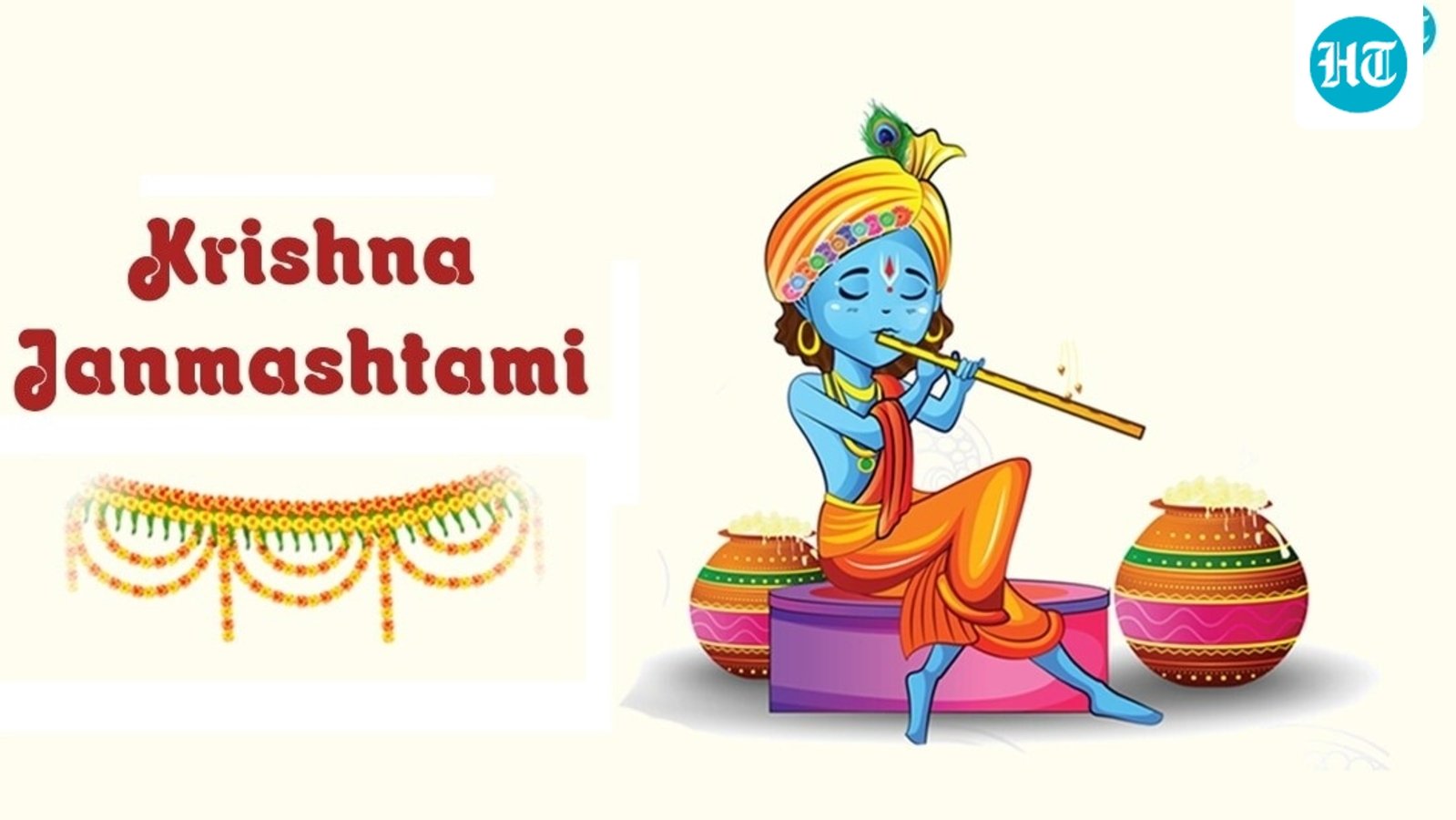
Janmashtami is often associated with midnight prayers, Krishna bhajans, temple visits and stories from his childhood. But for spiritual teacher Sri Sri Ravi Shankar, the festival can also point to something much closer to everyday life: joy.
In a recent article published by the Art of Living, Gurudev Sri Sri Ravi Shankar describes Krishna as Ananda, or bliss. He connects Krishna with happiness, love, joy and a natural way of being.
That offers a different perspective on the festival. Instead of only remembering Krishna’s birth, you can ask what the idea of Krishna means to you.
Also Read Janmashtami 2026: Date, puja timings and the astrological significance of Krishna’s birth
What does Krishna represent spiritually?
Ravi Shankar’s teaching presents Krishna as a symbol of joy that exists beyond the ups and downs of daily life. The Art of Living describes Janmashtami as a celebration of the manifestation of bliss.
You can see why that idea has stayed connected to Krishna’s stories for generations. His childhood tales often show him as playful and mischievous, while the Bhagavad Gita presents a very different side of him as a guide and teacher.
For devotees, these different sides do not necessarily conflict. They show a figure associated with both the joy of living and deeper questions about life.
Also Read Sadhguru on pilgrimage: Why he says a spiritual journey is not about achieving something
What does Kamsa represent?
Ravi Shankar also gives a symbolic reading to the story of Krishna’s birth.
In his explanation, Devaki represents the body, and Vasudeva represents prana, or the life force. Krishna represents bliss, while Kamsa represents the ego.
This is a spiritual reading of the story, not a claim about its historical meaning. But it gives you an interesting way to think about the familiar characters.
The idea of the ego can feel surprisingly familiar. You may notice it when pride takes over, when you constantly compare yourself with others or when you become so focused on what you want that you miss what is already in front of you.
How can you celebrate Janmashtami differently?
You do not need to change your usual celebration to explore this idea.
You could spend a few quiet minutes before or after your prayers. Think about what genuinely brings you joy rather than what simply keeps you busy. If devotional music or reading Krishna’s teachings is part of your tradition, give yourself time to engage with it without rushing.
Janmashtami can remain a celebration of Krishna’s birth while also becoming a personal moment of reflection. Ravi Shankar’s message offers one simple thought to carry with you: Krishna can be seen as a symbol of Ananda, or bliss.
Also Read What is spiritual bliss? And how is this different from happiness? explains a spirituality expert
For you, that may mean looking at joy a little differently, not as something you have to chase, but as something you can learn to notice.
