


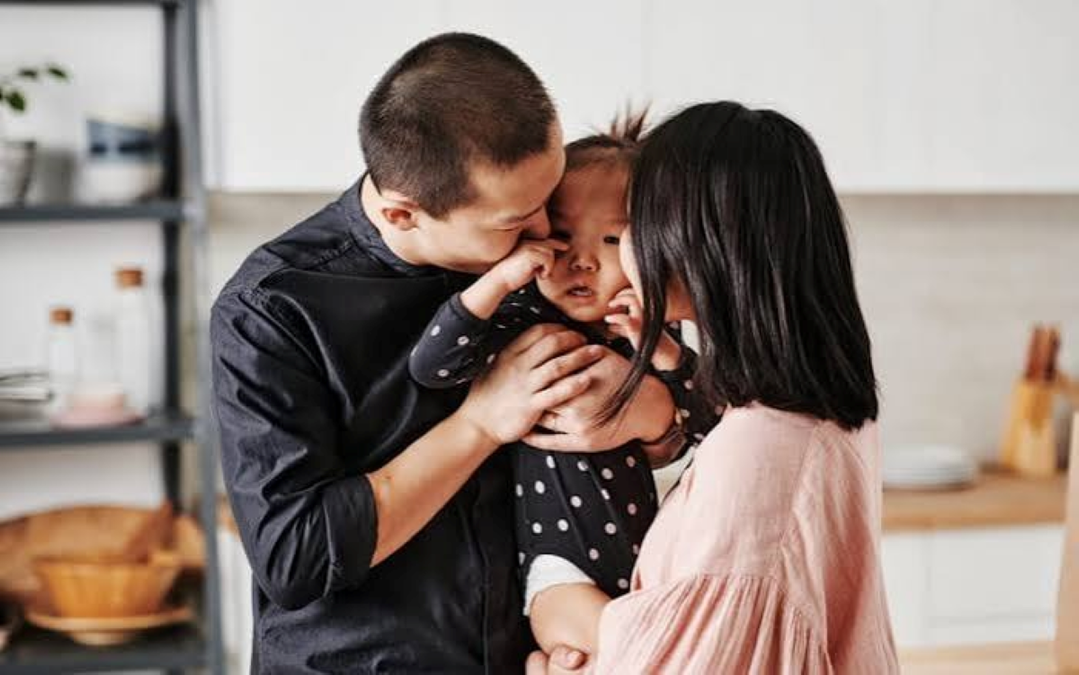
Parents are the first teachers, the first protectors, and often the first moral compass a child ever knows. Long before a child enters a classroom, the home begins shaping character, habits, emotions, and ideas about right and wrong. In that sense, parenthood is not merely a private role; it is a profound social responsibility. A family that raises thoughtful, respectful, and emotionally secure children helps build a healthier society. A family that neglects this duty leaves behind wounds that schools, institutions, and governments can rarely fully repair. The responsibilities of parents begin with care, but they do not end there. Food, shelter, and clothing are essential, but they are only the visible part of the task. Children need attention, time, guidance, and a sense of belonging. In an age where distraction has become a way of life, many children are growing up in homes where everyone is connected to a screen but disconnected from one another. Parents must not allow convenience to replace presence. A child may forget a toy or a lesson, but rarely forgets whether they were listened to, comforted, and valued. Discipline is another essential duty, but discipline is not the same as harshness. Children need boundaries, structure, and consistency. They must learn that freedom comes with responsibility, and that manners matter as much as marks. Parents who confuse love with permissiveness often raise children ill-equipped to face the demands of real life. At the same time, fear-based parenting can damage confidence and trust. The best approach is firm but fair, where correction is paired with explanation, and authority is balanced with affection. Equally important is the example parents set in their own behaviour. Children learn more from what they observe than from what they are told. If parents speak respectfully, children absorb respect. If parents resolve disagreements calmly, children learn restraint. If parents are honest, hardworking, and compassionate, these values take root naturally. But if a child grows up witnessing anger, deception, prejudice, or indifference, no sermon can easily undo that lesson. The home must therefore embody the values it expects from the child. Parents also have a duty to stay involved in their children’s education and emotional development. This does not mean controlling every move, but it does mean knowing their struggles, interests, friendships, and fears. In today’s world, children face pressures that previous generations often did not — academic anxiety, social media comparison, unhealthy influences, and emotional isolation. A parent’s role is to remain accessible, patient, and alert. A child should feel that home is the safest place to be honest. Ultimately, good parenting is not about perfection. It is about commitment, awareness, and steady effort. No parent will get everything right, but every parent can strive to be more present, more patient, and more principled. A society that wants disciplined citizens, compassionate neighbours, and responsible adults must begin by strengthening families. The future of any community is quietly being shaped today at the dining table, in daily conversations, and in the example parents set when no one is watching.
