


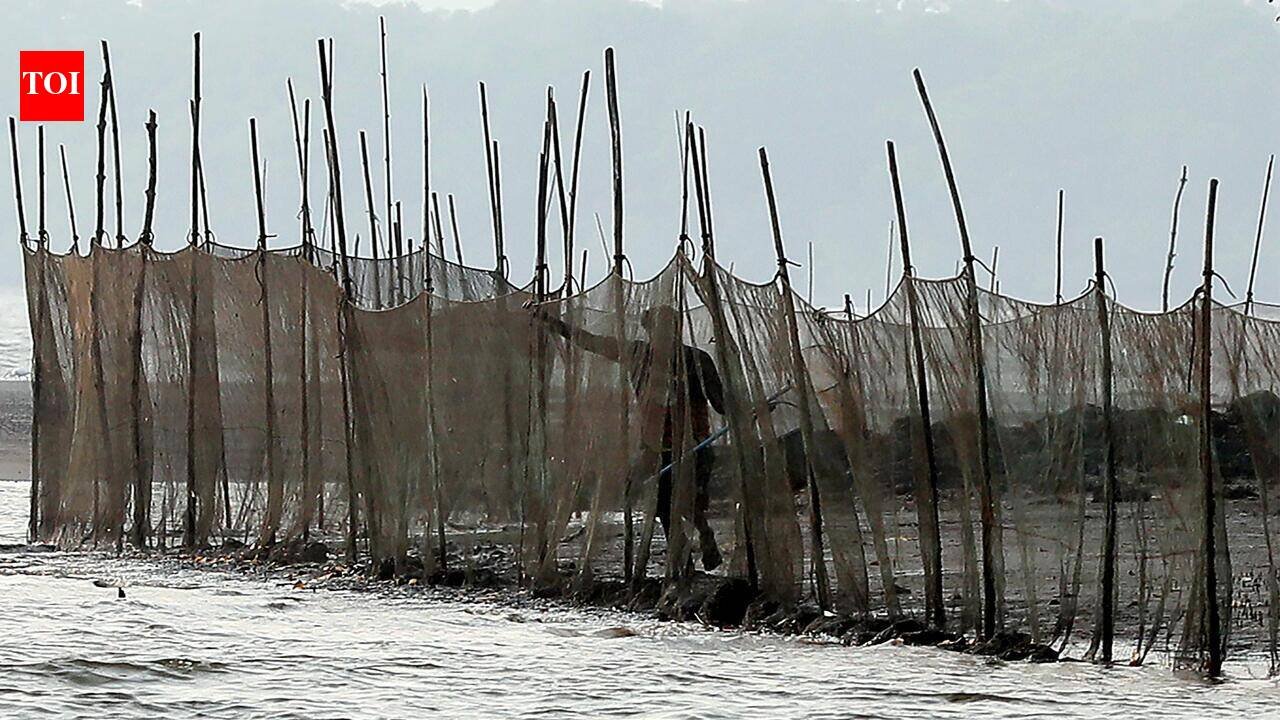
Panaji: At Nanda lake, Goa’s only Ramsar site, the Old Goa-based ICAR–Central Coastal Agricultural Research Institute (ICAR-CCARI) is working to revive indigenous fish populations by breeding native species in controlled facilities and releasing them back into the wild to strengthen natural stocks — an initiative known as fish ranching.In practice, indigenous fish are selected and bred using pond-based or induced breeding techniques. The young fish — known as seed — are raised at the institute’s facilities and then released into suitable natural habitats. The goal is to augment wild populations of indigenous fish, rather than introduce commercially popular species into sensitive ecosystems.“We are promoting fish conservation in Goa by ranching into temple ponds, then rivers, as a way of rebuilding populations of local species,” said Trivesh Mayekar, scientist (fish genetics and breeding) at ICAR-CCARI.Fish ranching is already used in other parts of India on a much larger scale. Mayekar pointed to the ICAR–Central Inland Fisheries Research Institute (CIFRI), Barrackpore, which releases Indian major carp seed into the Ganga under programmes associated with Namami Gange to enhance fish stocks.Goa’s approach, however, is different. “We are doing the indigenous fish, not commercial ones,” Mayekar said.A key next step for Goa could be building the capacity to produce native fish seed in larger quantities. Mayekar said establishing a dedicated hatchery is among the plans, subject to funding. “Such a facility could make it possible to scale up breeding and ranching activities rather than limiting them to small demonstrations,” he said.The Nanda lake initiative has also highlighted concerns around invasive fish — an increasingly important issue for wetlands, as invasive species can compete with native fish for food and habitat and disrupt aquatic ecological processes. According to the researchers’ project work, more than 30 fish species have been documented at Nanda lake, while ongoing research examines invasive species and their impacts.
