


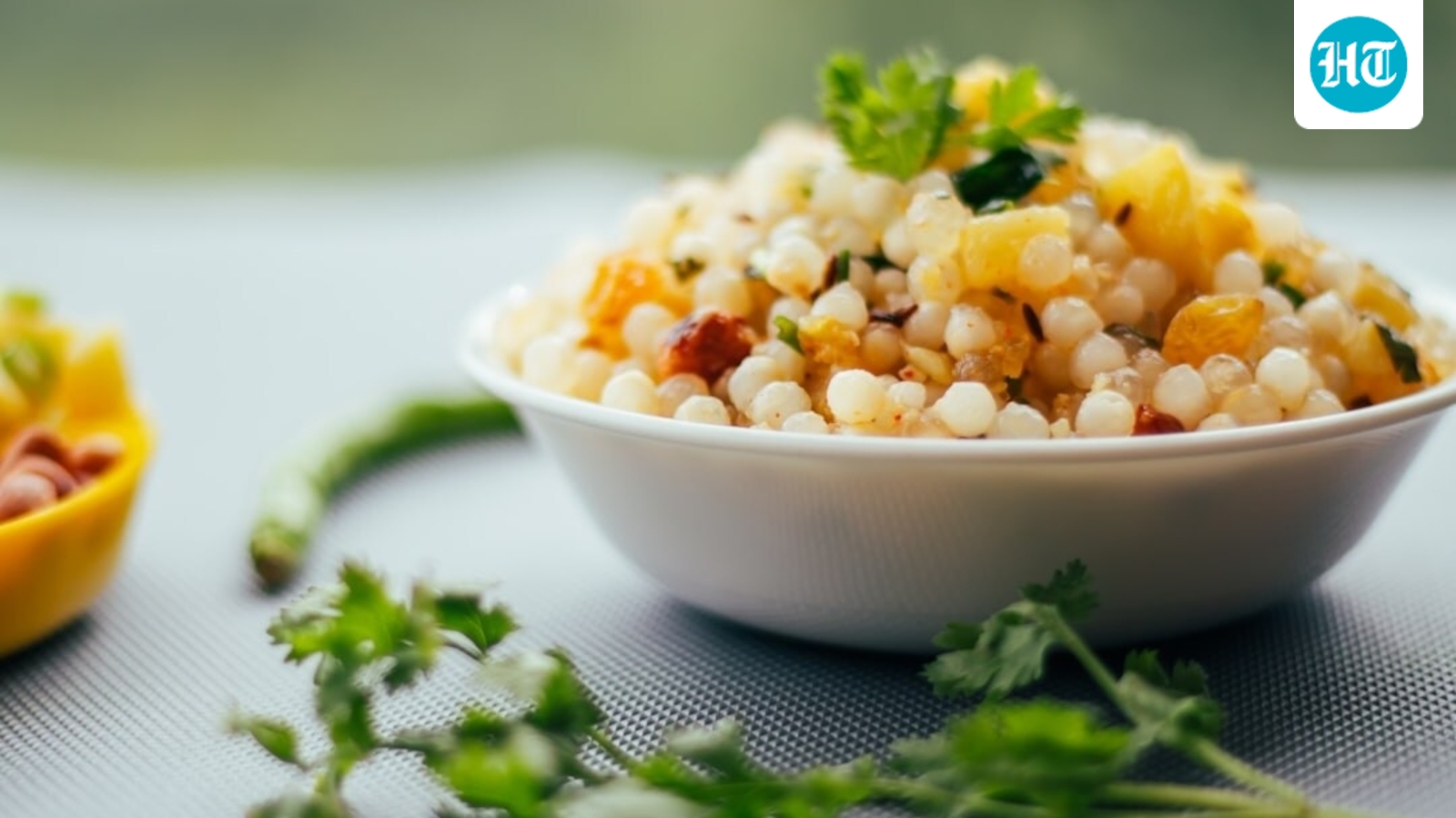
Potatoes, sabudana khichdi, fried snacks, fruits and dairy are some of the limited foods that are usually associated with fasting during religious periods. These foods are typically favoured during fasting, but relying too much on calorie-dense preparations can make it harder for people looking for ways to lose weight. In an interview with HT Lifestyle, Amreen Shaikh, Chief Dietician, KIMS Hospital, Thane, reveals what you need to know about sabudana, potatoes and fried snacks during fasting.
Also read | Longevity doctor warns against hidden risks of rapid weight loss: ‘Becoming lighter but weaker’
Can fasting lead to weight loss?
Amreen highlighted that fasting is not the same as eating fewer calories. “Ultimately, weight loss comes down to the overall balance of calories in versus calories burned out. Fasting foods can be healthy, but the amount and how they are prepared and consumed makes a big difference,” said Amreen. People don’t realise how calorie dense a fasting meal that’s deep fried or packed with sugar and fats can be.
Sabudana is a widely used fasting food, but it is basically a carbohydrate food and is very low in protein and fibre. A large portion of sabudana khichdi made with a lot of peanuts, oil or ghee can therefore pack in a lot of calories without keeping someone full for very long. Similarly, potatoes aren’t unhealthy in themselves, but frying them or mixing them with a lot of oil can greatly increase their calorie content.
Mistakes people make while fasting
According to Amreen, one common mistake is to replace regular meals with frequent fasting snacks. Foods such as fruit juices, sweetened drinks, packaged fasting foods and desserts can contribute to extra sugar and calories in your day. Labelled as “fast-friendly” food may cause you to overeat unknowingly if you keep eating it.
What can you do during fasting to lose weight?
Amreen recommends that you build your fasting meals around foods that provide better satiety. You can add fruits, vegetables, curd, milk, paneer, nuts and seeds as per your diet preferences and fasting restrictions. You can also cut unnecessary calories by choosing roasted or steamed foods instead of deep-fried foods.
Also remember that the fasting requirements vary from person to person and tradition to tradition. If you have diabetes, kidney disease, an eating disorder, are pregnant or have another medical condition, seek personalised medical or nutritional advice before making major changes to your eating pattern.
Fasting and weight loss can go together, but the secret is mindful eating. You don’t have to cut out sabudana, potatoes or an occasional fried snack completely. The bigger difference is in how often they are eaten, how they are prepared, and what else is in the meal.
Note to readers: This article is for informational purposes only and not a substitute for professional medical advice. Always seek the advice of your doctor with any questions about a medical condition.
