


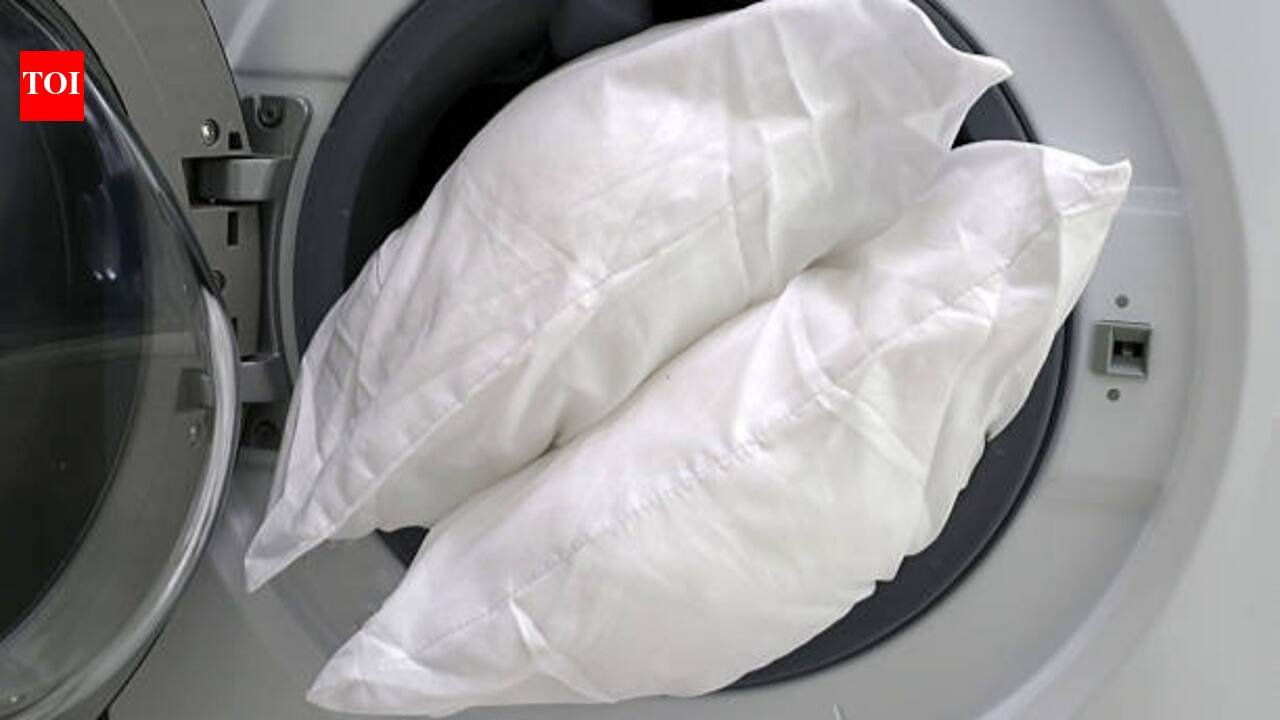
Pillows soak up more than we realise night after night, sweat, dead skin cells, oil from hair and skin, dust mites, and general grime build up over months of use, even if the pillowcase is changed regularly. Most of us tend to forget that pillows themselves need a proper wash every few months, not just a cover swap. But many commercial detergents and stain removers are loaded with harsh chemicals that can irritate the skin, trigger allergies, and even break down the delicate fibres inside the pillow over time. The good news is that you don’t need any of that. With a few simple, natural ingredients already sitting in your kitchen, you can get your pillows looking fluffy, smelling fresh, and feeling like new again, without exposing yourself or your family to unnecessary chemical residue.
Start by reading the label
It’s tempting to just chuck the pillow straight into the machine, but hold off for a second and check the care tag first. Memory foam behaves nothing like a down pillow, and a polyester-filled one has its own quirks too. Wash the wrong type the wrong way and you could end up with clumped filling or a pillow that never quite bounces back to its original shape. A quick look at the label tells you whether it’s safe to machine wash, whether it needs a gentle hand wash, or if it’s better off just being spot-cleaned and aired out.
Skip the heavy-duty detergent
Those strongly scented detergents that promise “deep cleaning power” often do more harm than good, especially if anyone in the house has sensitive skin or breathing issues. A mild, unscented liquid soap does the job just fine, and it won’t leave behind the kind of residue that irritates skin later. If you like going the extra mile, dissolve a bit of natural soap flakes in warm water and use that instead. It’s gentler, it’s simpler, and honestly, it cleans the sweat and oil marks just as well as the fancier stuff.
Let baking soda do the heavy lifting
If there’s one ingredient that deserves more credit than it gets, it’s baking soda. Sprinkle a decent amount over the pillow, let it sit for half an hour or so, then vacuum it off – it pulls out trapped moisture and odour without any fuss. Want a deeper clean? Toss half a cup into the wash along with your regular mild detergent. It doesn’t just mask smells the way perfumed products do; it actually neutralises them, and you’ll notice the pillow looks a shade brighter too.
Vinegar takes care of the rest
White vinegar might not sound glamorous, but it’s doing a lot of quiet work here. Pour a cup into the rinse cycle and it’ll strip away any leftover soap, disinfect the fabric naturally, and soften it up without needing a fabric softener. Yes, it smells a bit sharp while wet – but that vanishes completely once the pillow dries. It’s also surprisingly good at fading those stubborn yellow stains from sweat, bringing back some of the pillow’s original whiteness bit by bit each time you wash.
Don’t skip the drying – it matters more than you think
This is the step people rush through, and it’s the one that causes the most trouble. Any dampness left inside the filling can turn into mould or that musty smell that’s nearly impossible to get rid of afterward. Drying in direct sunlight is your best bet, it naturally kills off bacteria and dust mites while it dries. Using a dryer instead? Throw in a couple of clean tennis balls; they help break up clumps and keep the filling evenly fluffed. Either way, make sure the pillow is bone dry before it goes back on the bed.
Fluff it back into shape
Fresh out of the wash, pillows often come out looking a bit sad and lumpy. A good shake and some hand-fluffing usually sorts that out, redistributing the filling so it doesn’t stay bunched up in one corner. It also helps to leave the pillow out in the sun for a couple of hours every so often, even between washes, it keeps things fresh and helps the pillow hold its shape for longer, which means you’re not replacing it every few months.
So, how often should you actually wash them?
As a rough rule, every three to six months works for most people. If you deal with allergies or live somewhere humid, you might want to wash a bit more often since dust mites tend to thrive in those conditions. One easy way to cut down on how often you need to deep-clean is to slip a washable, breathable pillow protector under the pillowcase; it acts as an extra barrier and genuinely extends the life of the pillow underneath.
Disclaimer:
This article is for general informational purposes only and isn’t a substitute for professional cleaning, medical, or allergy advice. Always check your pillow’s specific care label before trying any washing method, and stop using an ingredient right away if it causes irritation. Results can vary depending on the pillow’s material, age, and overall condition.
