


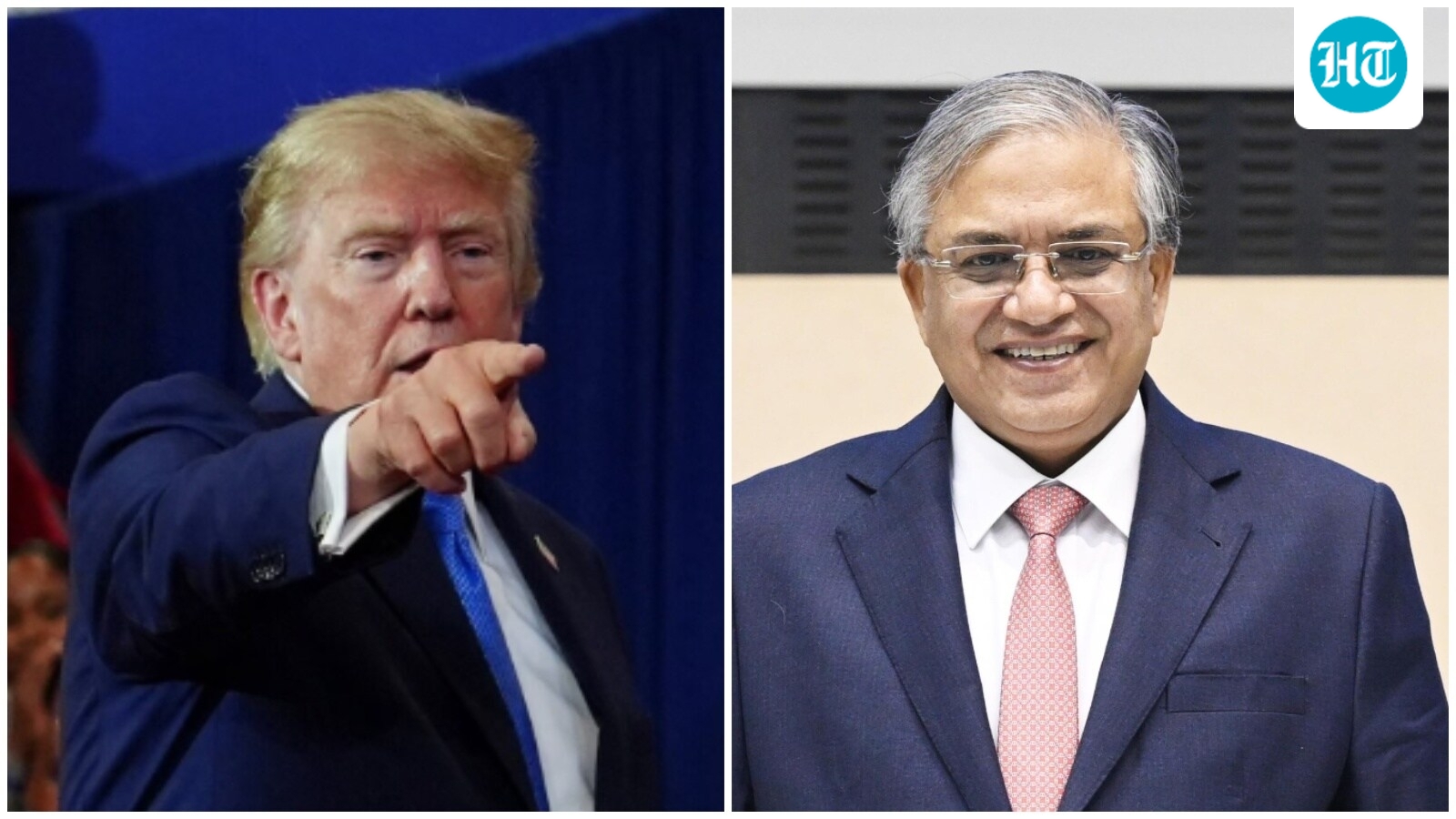
On Monday, US President Donald Trump pointed to India’s election system and its use of photo IDs as a requirement for voting as an example for America to emulate. Trump – who is pushing for Congress to pass a more stringent voter registration law known as the SAVE America Act – stated that India’s Chief Election Commissioner Gyanesh Kumar asked his administration how it held elections without valid photo IDs.
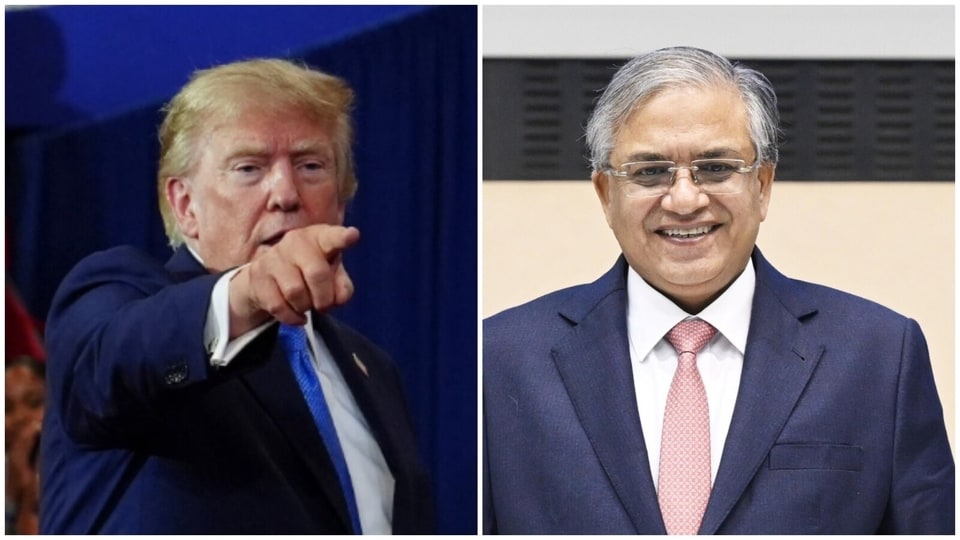
“Earlier this month, India’s Chief Election Commissioner, Gyanesh Kumar, asked our Administration — How can you have Elections in the US without a valid Photo ID? India’s last Election had 646,000,000 Voters! Less than 1 per cent voted by mail, and every single Voter had to have a VALID Photo Identity Document. We need to pass THE SAVE AMERICA ACT, now!” Trump said in a post on Truth Social, his social media platform.
Trump’s post comes after CEC Gyanesh Kumar met US Ambassador to India Sergio Gor last week, where the two “agreed to work closely together to deepen collaboration on election management and the training of election staff.”
The Trump administration has made passing the SAVE America Act a key focus of its legislative program. The act would require voters to provide documentary proof of citizenship when registering to vote as well as a photo ID when voting. The act was passed in the House of Representatives earlier this year but has repeatedly failed to make it past the Senate, which is America’s upper legislative chamber.
However, the issue of voter ID requirement laws have long been controversial in the United States. Supporters argued that such laws will effectively ensure election integrity especially after heated political debate around the legitimacy of recent elections. Critics of the SAVE America Act point out that the non-citizens are already prohibited from voting under existing laws and that millions of registered voters lack the documentation that would be necessary under the act’s provisions.
According to the Bipartisan Policy Center, 12% of registered voters in America lack common forms of documentary proof like a birth certificate or a valid passport. In addition, the Center argues that verifying the validity of voter documents will take resources that election officials and other authorities do not presently have. The introduction of more restrictive voter ID laws in the US state of Kansas prevented approximately 31,000 eligible US citizens from registering to vote, the Center goes on to add.
