


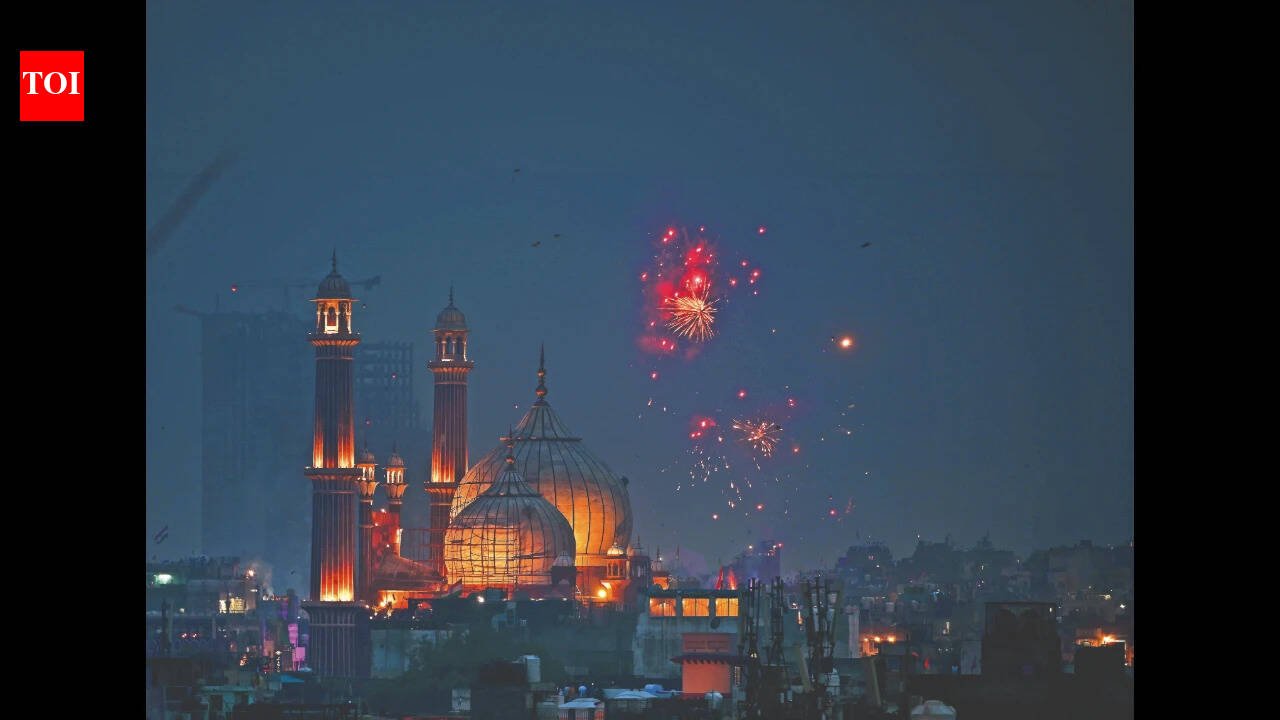
The sound of aai-bo-kaate echoing from rooftops, kites filling up the August sky, the aroma of pakoras and samosas wafting through the lanes and the strains of music marking the occasion – Independence Day in Old Delhi has always had its own rhythm. This year, as the city gets ready to celebrate, be a part of an experience of azaadi through its sights, sounds, flavours and stories.‘Independence Day is a festival of its own in Old Delhi’Festivities in Old Delhi start sky-high on the city’s rooftops. Joining this vibrant tradition is Azaadi Ki Patangbaazi, an event brought to life by Delhi By Foot in partnership with Fouzia Dastango and Dastarkhwane Sana Begum. Hosted on a home terrace in Old Delhi, the evening will combine kite-flying with storytelling and food. Heritage walk leader Ramit Mitra, who is organising the evening, says, “In Old Delhi, I-day is not just a date on the calendar. It is a festival of its own as each rooftop comes alive with kite-flyers of all ages, genders and backgrounds, families gather, food is prepared, and the sky is filled with kites. Through Fouzia’s storytelling, participants will learn about the tradition of kite-flying, its immediate connections to Independence Day, stories of master kite flyers and the symbolism of the kite and freedom.”‘Perfect way to spend I-Day with family’In Old Delhi, the celebration begins on the rooftops. For Abu Sufiyan, founder of Tales of City who is curating the Patang Aur Pech Festival in Urdu Bazaar, the idea is to recreate the atmosphere of an Old Delhi Independence Day rooftop. “The participants can spend the afternoon flying kites with ustads, sampling snacks like Purani Dilli ke kale chaney ki chaat, chicken tikka, chai and sharbat, playing games and listening to music, before watching the city fireworks at 6.30pm. As the evening progresses, candle lanterns will add to the spectacle. The idea of bringing people onto rooftops to experience the tradition that is not new. This year, the experience expands into a more immersive celebration of Old Delhi’s culture and community. The space is perfect to spend an evening steeped in culture with family.” Fouzia Dastango adds, “From the morning of August 15, the lanes and rooftops begin to fill with the tricolour. These stories are essential to be told and experienced. That is the beauty of Old Delhi – azaadi day is not just celebrated here, it is lived together, with a sense of belonging to its mitti, zubaan, tehzeeb and shared viraasat.”
@talesofcityofficial
Beyond patangbaazi, a date with historyWhile rooftops, kites and patriotic songs offer a festive way to mark Independence Day, the occasion can also be an opportunity to step back and look at the history that shaped the country and the city. A visit to the Partition Museum, for instance, offers a chance to look beyond the familiar celebratory narrative of 1947 and engage with the human stories that accompanied Independence. “Independence Day is usually a time to celebrate freedom. But perhaps it is also a time to pause and ask: What did that freedom cost us, and what did it create? The story of India’s independence cannot really be understood without understanding Partition. The two are inseparable,” says Nitika Arora of Darwesh Taleweavers. She adds, “A visit to the Partition Museum on Independence Day can be so meaningful. It allows us to move beyond the familiar triumphal narrative of Independence and encounter the human stories behind it – the ordinary people whose lives were transformed by drawing a line on a map. Many of us belong to the third or fourth generation after 1947, yet the memories and silences of Partition have travelled through families. Even if we have not experienced that trauma ourselves, we can inherit its residues. The museum also offers an opportunity to look inward.”
Partition Museum
‘This walk offers a way of seeing Delhi through the rise and fall of the powers’For a deeper journey into Delhi’s past, a heritage walk around Humayun’s Tomb offers a broader view. Instead of focusing solely on the road to independence in 1947, this walk explores the centuries of political and cultural shifts that shaped the city. “We often look at the story of how India became free. At Humayun’s Tomb, we can step further back and explore the many political worlds that shaped Delhi before that moment. The walk traces the Mughal story through Humayun, Akbar, Dara Shikoh, Rahim and the dynasty’s eventual decline, including the complex’s connection to the final chapter of Mughal Delhi. It is a way of seeing Delhi not simply through its monuments, but through the rise and fall of the powers that shaped the city,” says walk curator Nakul Chhabra of History Beyond Books.
