


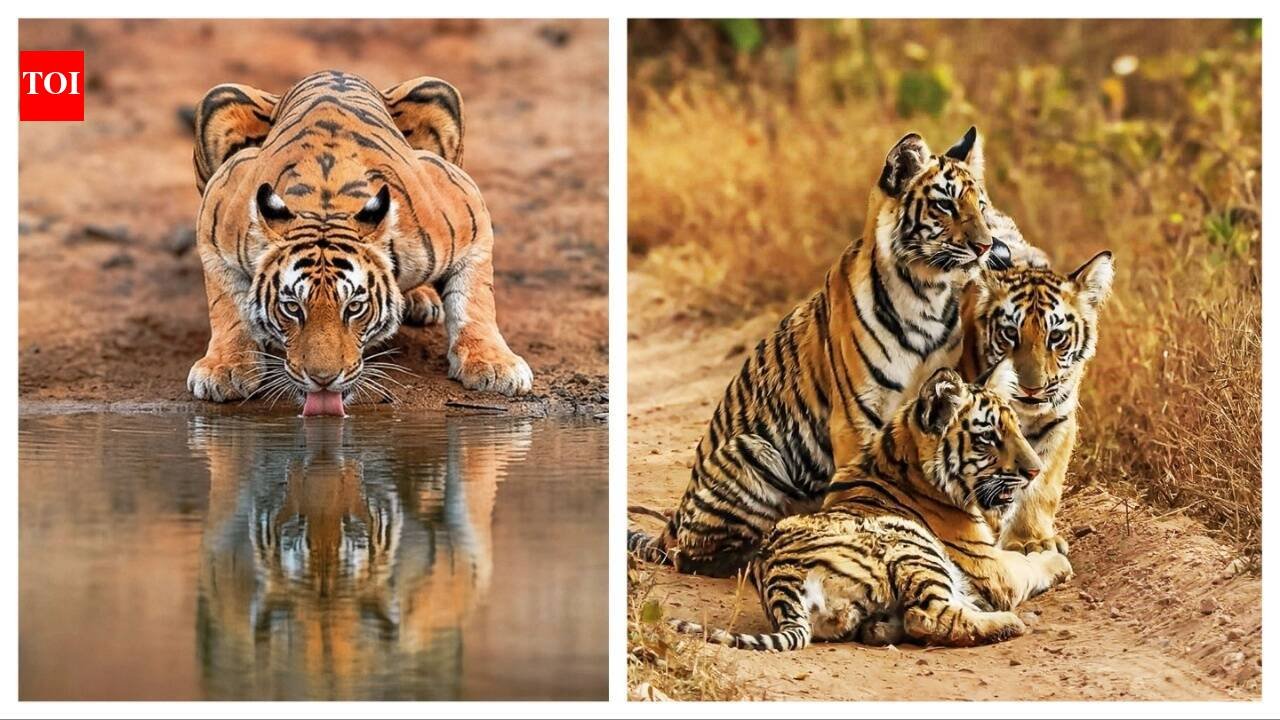
With World Photography Day approaching (August 19), we turn the lens on Mumbai’s wildlife photography enthusiasts who have ventured into India’s forests in search of its iconic big cat. They share why capturing a tiger in the wild takes far more than the right gear — it takes patience, respect and a responsible mindset towards wildlife.‘Tigers are solitary and elusive’For Vikram Dave, a businessman, who pursues wildlife photography as a passion, the appeal of photographing tigers lies in their unpredictability. He shares, “Unlike lions, which are easier to spot in prides, tigers are solitary and elusive. You can go through four or five safaris without seeing a single tiger. That rarity is what makes every sighting special. They are majestic creatures, and every photograph feels earned. I have been photographing wildlife since 2018 and make five to six safari trips every year with a group of fellow photographers.”
‘Wildlife photography is as much about restraint as it is about instinct’For photographer and celebrity stylist Aesana Bhuta, tiger sightings have occurred during several visits to forests in Ranthambore and Madhya Pradesh. “I have spotted tigers mainly while visiting safari parks across India. Sightings are wonderfully unpredictable. It’s about being at the right place at the right time,” she says, adding, “We should respect their space because it is their home that we are visiting. Crowding or blocking their pathways just to click pictures is a big no. Wildlife photography is as much about restraint as it is about instinct.”
‘Safaris have become a trend’For Hemant Shankar Khushale, an IT professional and wildlife photographer, capturing the tiger photograph he had imagined was a long process.He says, “It took me around five years to consistently capture the kind of tiger photographs I had envisioned. I started with a point-and-shoot camera before moving to a DSLR. Luck certainly helps, but patience, preparation and spending time in the jungle matter much more.”While every season offers different photographic opportunities, Hemant says the summer months — from March to June — generally provide the best chances for tiger photography as visibility improves and animals frequently visit water bodies.
‘The best wildlife photographs are earned through preparation and respect for the jungle’Adding another perspective, Lokesh Tardalkar, a professor of photography and cinematography and a wildlife photographer, says, “Great tiger photographs are never just about the season. They begin with studying the park’s geography, terrain, vegetation, water bodies and light. I visualise the frame in advance — not just a close portrait of a tiger, but an image that places the animal within its habitat. Such photographs tell a stronger conservation story than a simple sighting.”
