


New Delhi, The Rajya Sabha on Tuesday passed the Tribunals Reforms Bill, 2026, which seeks to establish a National Tribunals Commission to select chairpersons and members for various tribunals across the country.
The Bill had been passed by the Lok Sabha a day earlier on August 10.
Earlier in the post-lunch sitting, Opposition INDIA bloc parties staged a walkout after Leader of Opposition Mallikarjun Kharge was not allowed to speak by the Chair while the House debated the legislation.
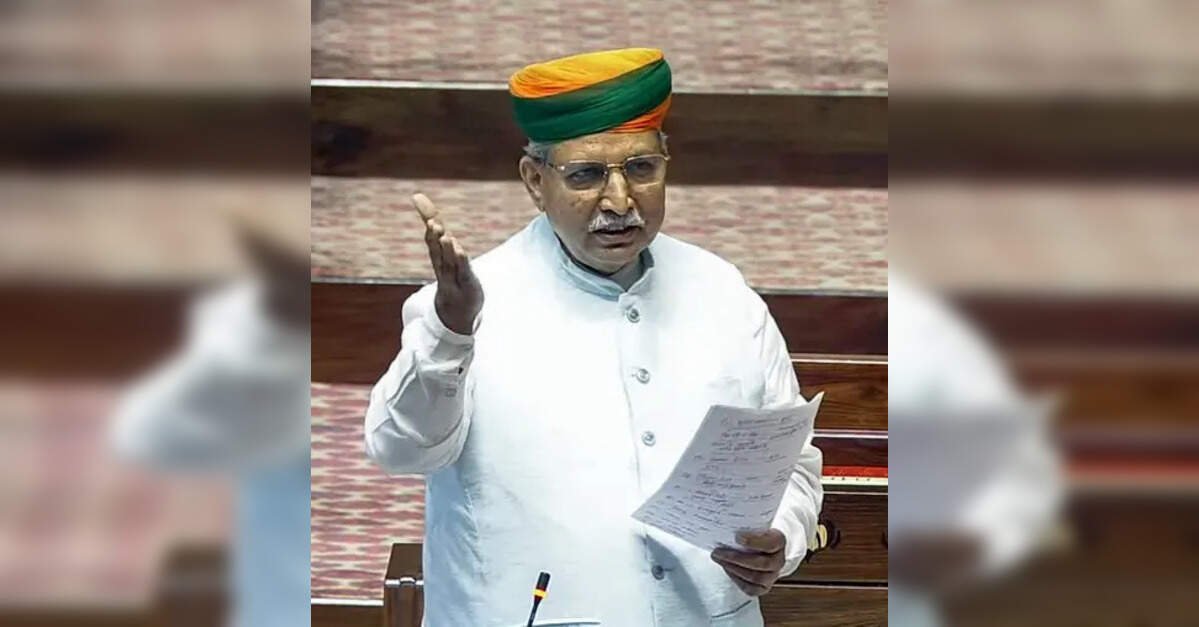
Replying to the debate, Union Law and Justice Minister Arjun Ram Meghwal said tribunals play a complementary role in ensuring speedy justice. He recalled that rationalisation of tribunals had begun in 2016 under the present government, followed by the Tribunals Reforms Act of 2021.
The new Bill replaces that law and creates an independent National Tribunals Commission comprising a chairperson (a former Supreme Court judge or former High Court chief justice), two judicial members and two technical members.
The Commission will handle appointments, review performance, look into complaints and maintain a National Tribunals Data Grid.
Meghwal linked the reforms to the broader vision of a Viksit Bharat, highlighting parallel changes in technology, taxation and the economy.
He clarified that the Bill does not alter the jurisdiction of any tribunal and aims to bring transparency, independence and uniformity in appointments and service conditions.
Speaking against the Bill, AAP member Sanjay Singh raised concerns over representation of Dalit and Adivasi communities in High Courts and asked about reservation for these communities in the proposed tribunals.
However, Parliamentary Affairs Minister Kiren Rijiju subscribed to his views that there was only one member of the SC/ST community who reached the Supreme Court in the capacity of a judge but said, under the BJP-led Union government, the tribal communities have been given more opportunities.
He said he himself belonged to the tribal community and held the position of a Central minister.
Meanwhile, Sanjay Singh also alleged corruption in National Company Law Tribunals, claiming large corporates were being granted waivers, and warned that the reforms could increase government control over these bodies.
Supporting the legislation, BJP MP Swati Maliwal said the Bill addresses the common citizen’s long wait for justice and is essential for restoring public trust.
AIADMK member IS Inabdurai, while speaking in favour, also raised the Cauvery issue and urged the Centre to intervene.
With the passage of the Bill in both Houses, Parliament has cleared the framework for a centralised and more independent system of tribunal appointments.
