


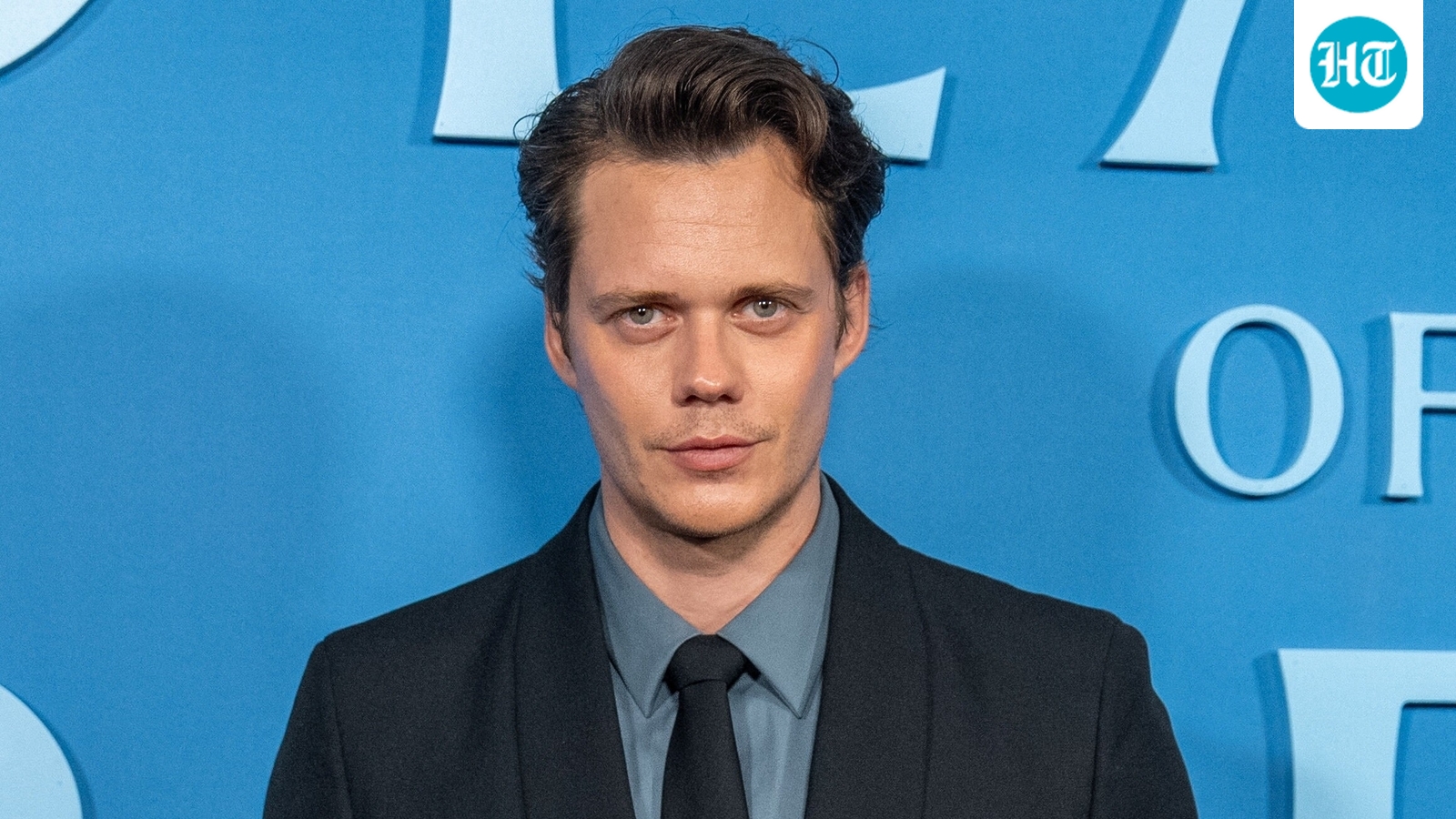
Ever since starring as Pennywise the Clown in the 2017 film It and its sequels, Bill Istvan Günther Skarsgård has been among the most recognised names in Hollywood. He is one of the famed Skarsgård brothers, born of Hollywood veteran Stellan Skarsgård.
Also Read | Quote of the day by Alia Bhatt: ‘Life is not going to always be a straight, smooth path’
While he started his career as a child actor and has had numerous releases over the years, it is the monstrous roles that gave him major successes, first with Pennywise and then with Count Orlok in the 2024 film Nosferatu.
However, his filmography proves without a doubt that the actor has range, and the upcoming projects are likely to be a testament to the statement. Bill Skarsgård celebrates his birthday on August 9 every year. To commemorate the day, today’s quote of the day is an excerpt from his interview with his brother and fellow Hollywood star Alexander Skarsgård, which was published in Interview magazine in 2017.
The complete quote reads: “I think hubris comes from insecurity. Confidence comes in a more rooted sense; part of being confident is being able to say, ‘I can be really shitty,’ and to accept that. But also not to crumble under it.”
What does Bill Skarsgård’s quote mean?
In the interview, when his brother Alexander asked him if he ever felt like a terrible actor, Bill Skarsgård replied that he simultaneously feels that he is the best actor on the planet as well as a complete fraud.
Explaining the feeling, he stated the above-quoted lines. In essence, the quote perfectly describes what confidence actually is: knowing that one is fallible but not shutting oneself off in fear of it.
The ability to realise that one can deliver a bad performance, but show up to work despite the feeling, is what makes him a good, dependable actor.
What is the relevance of Bill Skarsgård’s quote?
There has always been a clear line between confidence and hubris. However, it often becomes difficult to ascertain where the line is drawn. Bill Skarsgård’s quote serves as a reminder that acknowledging one’s own fallibilities helps one stay on the right side of the line.
The quote also suggests that a person who may appear to be too confident may actually be experiencing deep-seated insecurities. Thus, it calls for a deeper scrutiny to understand the true nature behind the facade of a person that is presented to the world.
