


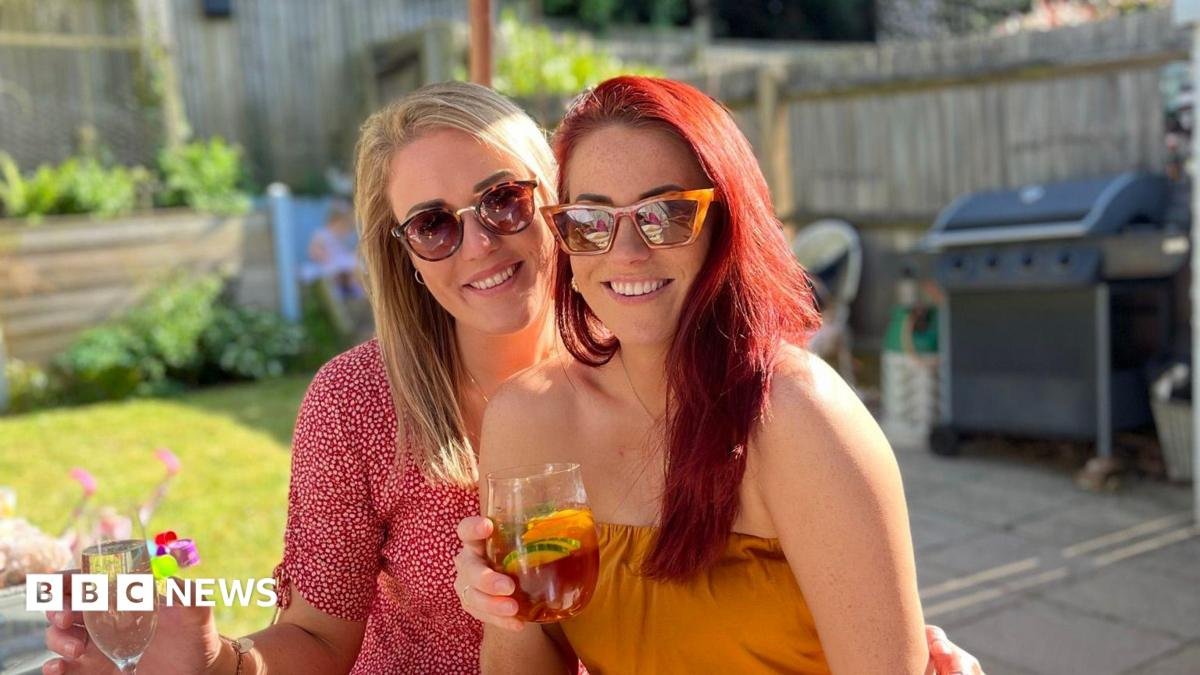
When Leanne split up with her partner in her late 20s she thought she’d have to put her dream of a buying a home in the area where she grew up on hold.
She was earning a good salary but the properties she was hoping for – with a garden and parking space – were too expensive on her own. While she’d just started seeing someone new, it was very early days – far too early to discuss living together.
Her friend since school, Sarah, was single and renting a room in a shared house in Brighton. She also wanted to move back home to Kent, but was worried about how she’d get on the housing ladder on her cabin crew salary.
When Sarah suggested they buy together, Leanne admits she “totally baulked”. But after chatting with a mortgage adviser they went ahead – and say it’s helped them avoid the so-called singles tax.
Not being partnered up can mean extra costs. It’s tricky to quantify and varies by location – estimates suggest it could be anything from hundreds of pounds to £10,000 on average extra, external a year.
The cost of rent or a mortgage, household bills and subscriptions can’t be shared. And a single person pays 25% less council tax than a couple – not half.
Many discounts involve pairing up – 2-for-1 cinema tickets, Two-Together railcards, couples gym memberships – plus solo travellers often pay a single person supplement.
This affects a lot of people. Some 18.5m people had never been married or in a civil partnership in 2024 – 36.8% of the population aged 16 and over, official figures show.
And overall 8.6m people were estimated to be living alone in the UK last year – that’s nearly a third of all households.
