


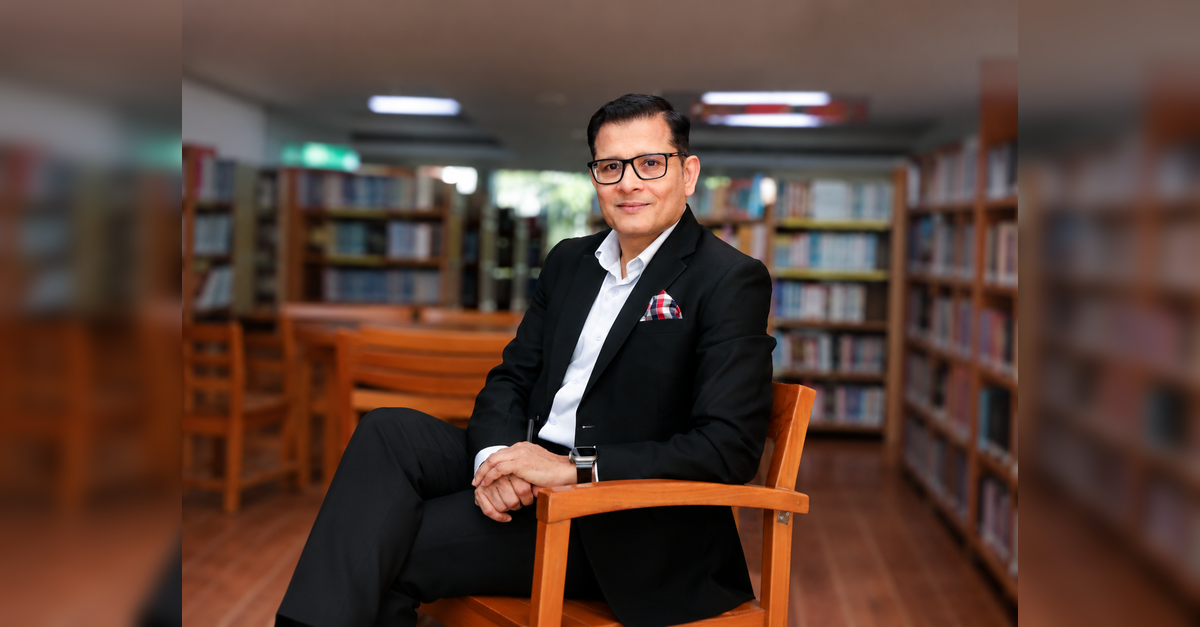
By Vinay Maheswari
The introduction of two opportunities for students to appear for CBSE board examinations reflects a thoughtful and progressive shift in India’s education framework. It acknowledges the evolving needs of students while reinforcing a more flexible and balanced approach to assessment. For schools, this is not a disruption, but an opportunity to further strengthen systems that are already rooted in structured learning and academic discipline.
CBSE schools have long focused on building strong academic foundations, and this development allows them to extend that approach into a more continuous and adaptive learning cycle. The emphasis now moves towards ensuring that teaching is not only comprehensive but also paced in a manner that enables retention, application, and confidence over time.
One of the key strengths that schools bring to this transition is their ability to integrate learning with ongoing evaluation. Rather than relying on a single revision window, many institutions are already adopting periodic assessments and structured revision checkpoints across the academic year. This enables students to engage with the curriculum more consistently, while also allowing educators to identify and address learning gaps in a timely manner.
At the same time, the availability of two examination opportunities introduces a greater degree of flexibility for students. Some may choose to optimise their first attempt, while others may view it as a step in a larger preparation strategy. Schools play an important role here in guiding students with clarity and perspective, ensuring that decisions are aligned with individual readiness and long-term academic goals.
There is also a growing emphasis on mentorship and personalised academic support. Teachers today are not only facilitators of knowledge but also enablers of student confidence and resilience. Through continuous feedback, structured revision plans, and academic counselling, schools are ensuring that each student is supported through their learning journey.
Technology further complements these efforts by enabling more informed and responsive teaching practices. With access to performance insights and assessment data, educators are better equipped to tailor interventions and maintain academic consistency across cohorts.
Importantly, this shift also contributes to a healthier academic environment. By reducing the weight of a single high-stakes examination, students are encouraged to view assessments as part of an ongoing process of learning and improvement. This fosters not only better outcomes but also a more balanced approach to education.
The introduction of two chances is, therefore, a natural progression in an education system that continues to evolve with the needs of its learners.
The author Vinay Maheswari is a Trustee at Sree Vidyanikethan International School (SVET).
DISCLAIMER: The views expressed are solely of the author, and ETEDUCATION does not necessarily subscribe to it. ETEDUCATION will not be responsible for any damage caused to any person or organisation directly or indirectly.
