


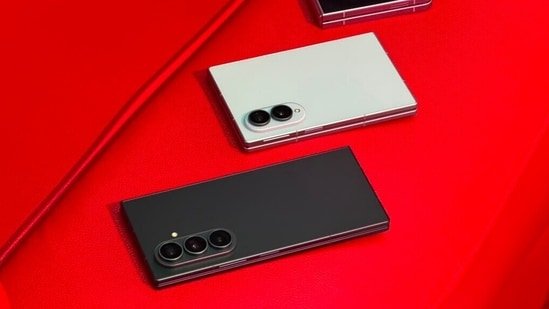
Samsung has released its latest foldable smartphone lineup, but this year the company has done something different. Alongside the Galaxy Z Flip 8 and the flagship Galaxy Z Fold 8 Ultra, Samsung has introduced the Galaxy Z Fold 8 as a new approach to its Fold series. Rather than replacing the Ultra, the Fold 8 offers a different take on the foldable experience by focusing on a lighter design, a more compact form factor and features aimed at everyday use.
The naming may seem slightly confusing at first. Earlier Galaxy Fold generations featured just one book style foldable, but Samsung has now divided the lineup into two models. The Galaxy Z Fold 8 is designed for users who want a slimmer and lighter foldable for entertainment and daily multitasking, while the Galaxy Z Fold 8 Ultra targets power users with a larger display, flagship camera hardware and productivity focused upgrades.
If you are wondering which Fold is the right fit, here’s a closer look at how they compare.
Galaxy Z Fold 8 vs Z Fold 8 Ultra: Design
The biggest difference between the Galaxy Z Fold 8 and Galaxy Z Fold 8 Ultra is how Samsung wants you to use them. The Fold 8 is the company’s lightest Fold yet at just 201g, making it easier to carry and use throughout the day. Samsung has also introduced its new Flex Titanium display structure, which combines a titanium alloy film with an enhanced titanium plate to improve durability, reduce crease visibility over time and make opening the phone feel smoother and more natural.
Like the Ultra, it also features an Armour Aluminium frame, Corning Gorilla Glass Ceramic 2 on the cover display, Gorilla Glass Victus 2 on the rear panel and an IP48 rating for water and dust resistance, ensuring both devices remain durable enough for everyday use
The Fold 8 Ultra goes in the opposite direction. While it weighs slightly more at 215g, Samsung has managed to make it its slimmest Fold ever at just 4.1mm when unfolded. Instead of focusing purely on portability, the Ultra prioritises giving users the largest possible workspace for productivity and creative tasks.
Galaxy Z Fold 8 vs Z Fold 8 Ultra: Display
Samsung hasn’t simply increased the display size on the Ultra. The company has redesigned how each Fold is meant to be used. The Fold 8 features a 10:16 cover display that feels familiar for messaging, browsing and social media, while its 4:3 inner display is optimised for reading, films and gaming.
Samsung says these new display ratios are designed around how people naturally consume content throughout the day. It also supports up to 3,000 nits brightness, Vision Booster and a low reflection finish for better outdoor visibility.
The Fold 8 Ultra, meanwhile, expands the inner display to 8 inches, creating more room for split screen multitasking, document editing and working across multiple apps. If your foldable spends more time open than closed, the larger display offers a noticeable advantage.
Galaxy Z Fold 8 vs Z Fold 8 Ultra: Cameras
Samsung has made one of the biggest hardware changes to the Fold 8 by reducing the rear camera setup to two 50MP sensors. While this helps achieve the lighter design, Samsung says the dual camera system still delivers consistent image quality across both wide and ultra wide shots. Features like Dual Recording and My FanCam also make it easier to capture videos and social ready content.
The Fold 8 Ultra is built for users who want more from their camera. It features a 200MP primary camera with HDR support, a new 50MP ultra wide sensor, improved Nightography, 8K video recording using the APV codec and Cine LUT support for advanced colour grading. Simply put, if photography and video creation are priorities, the Ultra offers a much more capable camera system.
Galaxy Z Fold 8 vs Z Fold 8 Ultra: Performance and battery
Both foldables are powered by the Snapdragon 8 Elite Gen 5 Mobile Platform for Galaxy, ensuring flagship performance whether you’re multitasking, gaming or using Galaxy AI features.
The difference comes in endurance. The Fold 8 combines the chipset with a 4,800mAh battery for all day use, while the Fold 8 Ultra increases capacity to 5,000mAh. Samsung also adds a new dual path 45W charging architecture and an expanded graphite cooling system on the Ultra to better handle longer workloads and demanding creative tasks.
Galaxy Z Fold 8 vs Z Fold 8 Ultra: AI features
Samsung ships both devices with the same Galaxy AI experience, including Now Brief, Now Nudge, Gemini Intelligence and Gemini Notebook. Users can also automate tasks across supported apps, generate reports, summaries and visual content, while multitasking benefits from drag and drop support in Split View.
Although the software experience is largely identical, the Fold 8 Ultra naturally makes better use of these features thanks to its larger display. Running multiple apps alongside AI generated content feels more comfortable, while the Fold 8 delivers the same tools in a more compact and portable package.
