


Srinagar, Jul 16: The sound of wooden looms once filled the halls of the Three-Way Carpet Factory in Srinagar, where generations of artisans mastered the intricate art of hand-knotted carpet weaving. Today, that sound has almost faded into silence.
Forty years ago, the factory was among the Valley’s most prominent carpet weaving centres, employing numerous craftsmen and serving as a training ground for aspiring artisans. Today, only four weavers continue to work there, holding on to a craft that once defined Kashmir’s artistic heritage.
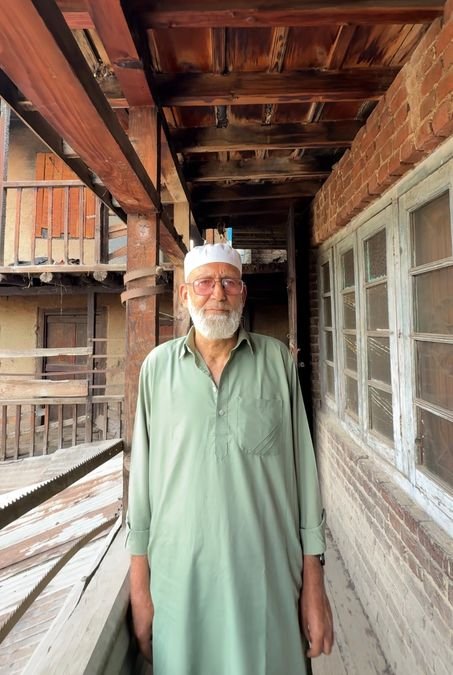
Among them is Noor Mohammad Bhat, whose hands have spent decades tying thousands of knots into carpets admired across the world. Sitting beside an ageing loom, he recalls a time when carpet weaving was a respected profession and a reliable source of income.
“I started this work in my childhood,” Noor says. “At that time, carpet weaving was a respected and profitable profession. Almost every skilled artisan started from this workshop. Over the years, some artisans passed away, while others left the trade because of low wages. Now, only a few of us remain. How can the younger generation choose this profession when they already know it will not provide them with a good livelihood?”
His words reflect the reality confronting one of Kashmir’s oldest traditional industries.
Despite spending nearly eleven hours a day at the loom from 7:30 a.m. until 6:00 p.m. the earnings barely meet basic needs. During summer, artisans earn around ₹200 a day. In winter, when shorter daylight hours reduce working time, their daily wage falls to nearly ₹150.
The contrast is hard to ignore. Daily wage labourers now earn around ₹600 a day, nearly three times what an experienced carpet weaver receives after years of mastering a highly skilled craft.
“This wage difference creates another challenge for our already struggling industry,” Noor Mohammad says.
The poor returns have discouraged younger generations from learning the craft. Skills that were once passed down from parents to children are now being abandoned as families encourage their children to seek occupations that offer greater financial security.
The decline of the Three-Way Carpet Factory mirrors the wider challenges facing Kashmir’s famed carpet industry. Low wages, changing markets, competition from machine-made products, and the absence of adequate economic incentives have steadily pushed skilled artisans away from the profession.
Inside the factory, the remaining four artisans continue to weave carpets knot by knot, preserving a centuries-old tradition despite an uncertain future. Their work is more than a livelihood; it is a living expression of Kashmir’s cultural identity.
But with each passing year, the looms grow quieter.
If the current trend continues, the Three-Way Carpet Factory may soon become more than an old workshop. It may stand as a reminder of a craft that once flourished in Kashmir, kept alive until the very end by just four determined artisans.
