


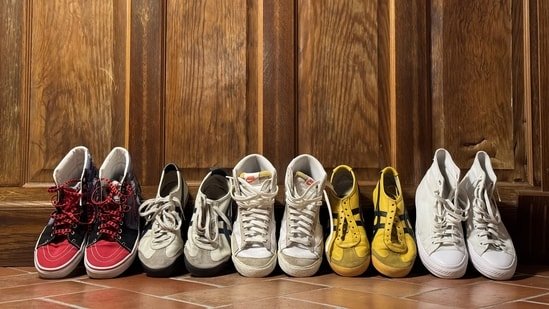
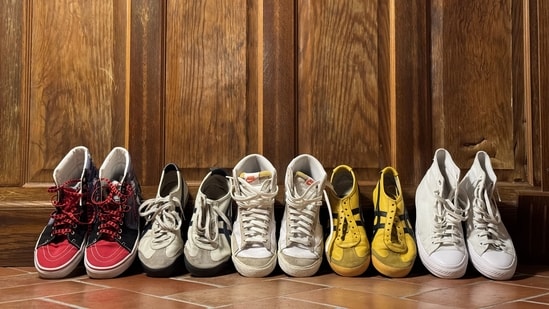

Walk into any footwear store and you’ll probably hear the terms sneakers and sports shoes being used interchangeably. While they may look similar at first glance, they’re actually designed with very different purposes in mind. One is built to elevate your everyday outfits, while the other is engineered to support your feet through workouts, runs, and high-impact movements.
The confusion is understandable. Modern sneakers have become more comfortable than ever, and many sports shoes now look stylish enough to wear outside the gym. But choosing the wrong pair for the wrong purpose can leave your feet sore, or your outfit feeling out of place.
So, should you buy sneakers or sports shoes? The answer depends entirely on how you plan to wear them.
What are sneakers?
Sneakers are lifestyle shoes first and performance shoes second. Their biggest strength lies in versatility. You can wear them to college, the office, airports, shopping trips, dinner dates, concerts, or while travelling. They prioritise everyday comfort while placing equal emphasis on design, colours, and fashion appeal.
Modern sneakers have evolved far beyond plain white trainers. Today you’ll find chunky silhouettes, retro-inspired designs, high-top styles, minimal leather sneakers, and streetwear-inspired pairs that can completely transform an outfit.
While sneakers are comfortable enough for walking several kilometres in a day, they aren’t specifically designed for activities like running, HIIT workouts, badminton, or strength training. They generally lack the specialised cushioning, arch support, and motion control required for high-impact sports.
If you’re someone who likes footwear that instantly makes an outfit look cooler, these mid-top sneakers are worth considering. The high-top silhouette gives them a youthful streetwear vibe while the lightweight construction ensures they’re comfortable enough for long college days or weekend outings.
Ideal for: College, casual Fridays, city walks, travel and coffee dates.
Chunky sneakers continue to dominate street style, and this pair embraces that trend beautifully. The thick sole not only adds height but also provides comfortable cushioning for daily wear. If your wardrobe leans towards oversized T-shirts, cargo pants, relaxed denims or joggers, these fit right in.
Ideal for: Streetwear lovers, travel, concerts and casual everyday wear.
These sneakers blend modern aesthetics with lightweight comfort, making them suitable for anyone looking for fashionable everyday footwear. They pair effortlessly with denim, cargo trousers, shorts and even oversized co-ord sets.
Ideal for: Shopping, casual outings, airports and weekend dressing.
What are sports shoes?
Sports shoes are built with one priority: performance.
Every component: from the outsole to the midsole, cushioning, flexibility, grip and heel support, is designed to help your body move efficiently while reducing stress on your joints.
Different sports shoes also serve different purposes. Running shoes focus on forward motion and shock absorption. Badminton shoes prioritise lateral stability and grip. Gym shoes offer a flatter sole for lifting and multidirectional movement. Tennis shoes provide extra ankle support and durable outsoles for court movement.
Using casual sneakers for these activities may feel comfortable initially, but they simply don’t provide the specialised support required for repetitive impact.
If you’re someone who exercises regularly, investing in proper sports shoes isn’t just about comfort; it’s about protecting your knees, ankles and feet over time.
These running shoes are designed for everyday fitness enthusiasts. The breathable upper keeps feet cool during long walks or jogs, while the cushioned sole absorbs impact more effectively than lifestyle sneakers.
Ideal for: Running, brisk walking, treadmill sessions and daily workouts.
Indoor court sports require completely different footwear from regular running shoes. These Puma shoes feature a non-marking outsole that delivers excellent traction without damaging indoor courts. The supportive structure also helps with quick side-to-side movement.
Ideal for: Badminton, squash, pickleball and indoor sports.
Designed specifically for badminton and indoor court games, these shoes combine lightweight cushioning with excellent grip and flexibility. They’re made to handle explosive movements while remaining comfortable during long matches.
Ideal for: Badminton, tennis practice and indoor training.
Sneakers vs sports shoes: Key differences
While sneakers and sports shoes may look similar, they’re designed with different priorities.
Sneakers are primarily made for everyday wear. They focus on style, versatility, and all-day comfort, making them ideal for casual outings, travel, college, shopping, or office commutes. Their designs are fashion-forward, with everything from chunky soles to retro silhouettes and minimalist styles that pair effortlessly with jeans, cargo pants, dresses, and co-ord sets. Although they’re comfortable for walking and spending long hours on your feet, they don’t offer the specialised support needed for intense physical activities.
Sports shoes, on the other hand, are built specifically for performance. Every element- from the cushioning and midsole to the outsole and grip- is engineered to support movement and reduce the impact on your feet and joints. Whether you’re running, lifting weights, playing badminton, or training at the gym, sports shoes provide better stability, shock absorption, flexibility, and traction than regular sneakers.
In simple terms, if your priority is looking stylish while staying comfortable throughout the day, sneakers are the better choice. But if you’re buying footwear for exercise or sports, sports shoes are the safer and smarter investment because they’re designed to protect your feet while improving performance.
Which one should you buy?
If your routine mainly involves commuting, travelling, shopping, working from cafés, attending college or simply walking around the city, sneakers are probably the better investment. They’ll complement more outfits while keeping your feet comfortable throughout the day.
However, if you’re someone who runs every morning, plays badminton every weekend, spends time in the gym or participates in sports regularly, dedicated sports shoes are absolutely worth the investment. The extra cushioning, support and stability aren’t marketing gimmicks; they genuinely reduce fatigue and help prevent injuries.
Can you use one pair for everything?
Technically, yes, but it’s not ideal.
Many people wear running shoes casually because they’re comfortable, and there’s nothing wrong with that. However, wearing fashion sneakers for running or sports isn’t recommended because they simply aren’t designed for repeated impact or quick directional changes.
Think of it this way: you wouldn’t wear formal shoes to the gym, and you probably wouldn’t wear football boots to a café. The same logic applies here.
If you can only buy one pair and your lifestyle is mostly casual, choose a good pair of sneakers. They’ll work with almost every outfit and offer enough comfort for daily activities.
But if fitness is a regular part of your routine, don’t compromise. A dedicated pair of sports shoes will protect your feet, improve performance and last longer under intense use.
And if you’re building a versatile wardrobe, the ideal combination is simple: one stylish pair of sneakers for everyday life, and one reliable pair of sports shoes for when it’s time to train.
Similar stories for you:
Stop slipping on court: 8 Indoor sports shoes to play your favourite sport in style
Tried and Tested: I wore these 3 W for Women sets and here’s my honest review
Loved Priyanka Chopra’s ruffle dress at Paris Couture? Here are 8 similar picks for you
Disclaimer: At Hindustan Times, we help you stay up-to-date with the latest trends and products. Hindustan Times has an affiliate partnership, so we may get a part of the revenue when you make a purchase. We shall not be liable for any claim under applicable laws, including but not limited to the Consumer Protection Act, 2019, with respect to the products. The products listed in this article are in no particular order of priority.
