


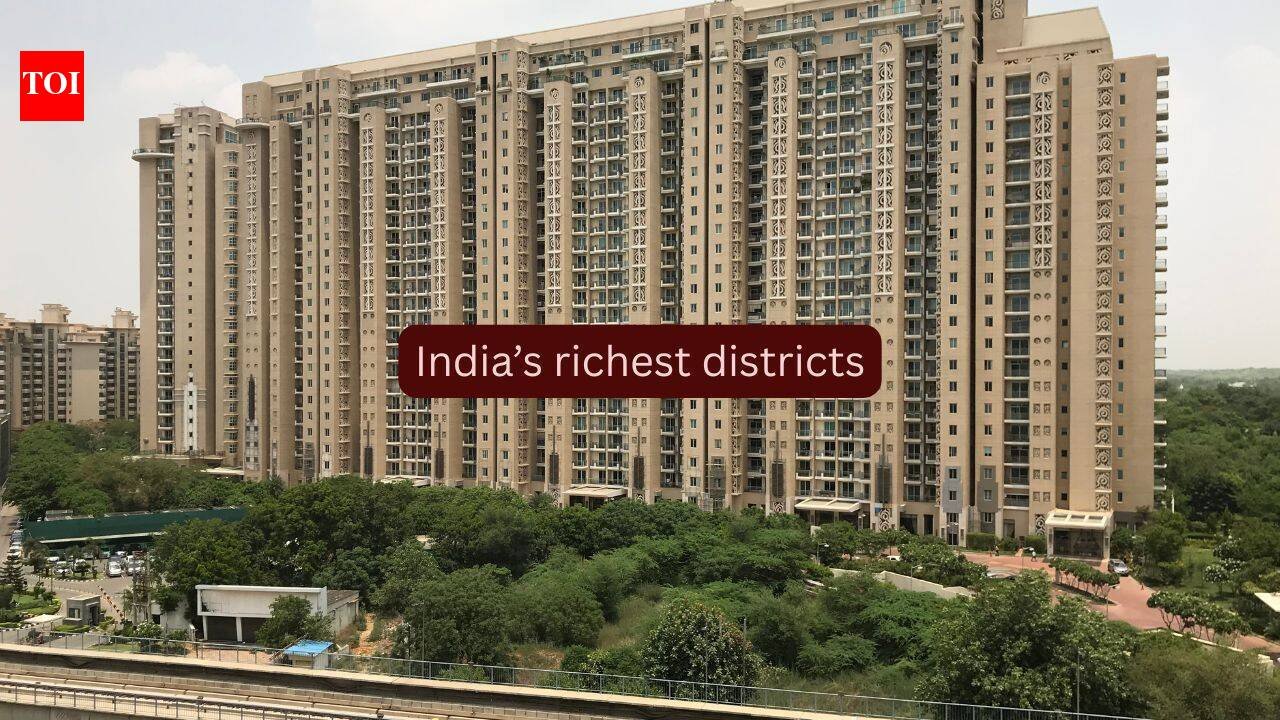
When global travellers think of India, they often imagine ancient temples, old palaces and forts, mountains, and beaches. However, there is another fascinating way to explore the country through its richest districts; places that drive India’s economy while offering world-class cuisine, grand heritage, vibrant nightlife, and culture. In 2026, districts such as Hyderabad’s Rangareddy, and Gautam Buddha Nagar in Uttar Pradesh continue to stand out as major cities, powered by finance, tourism and technology. But for travellers, these districts are more than numbers on a GDP list. These destinations are gateways into modern India, where luxury properties stand beside historic landmarks. The list is based on recent district-level economic indicators and GDP-per-capita rankings in 2026. Read on:Rangareddy, TelanganaRangareddy has topped the chart of India’s richest district by GDP per capita. The district surrounds Hyderabad and has benefited from the city’s booming IT sectors. For travellers, the district serves as the gateway to Hyderabad’s historic attractions, including Charminar, Golconda Fort, and the city’s world-famous biryani scene. Gurugram, HaryanaGurugram, often regarded as India’s corporate capital, is one the second spot on the list. The district is home to renowned global MNCs, gleaming glass towers, luxury residential projects, and Fortune 500 companies, representing urban India. Travellers often visit the place for an upscale shopping experience, vibrant nightlife, and golf scenes. Gurugram is also home to some famous luxury hotels in the country. Bengaluru Urban, Karnataka
The third spot is taken by nine other than the Silicon City of India. Bengaluru continues to be among the nation’s wealthiest districts thanks to the IIT hubs. But beyond technology, the city offers travellers gorgeous gardens, craft breweries, heritage attractions, and easy access to weekend escapes such as Nandi Hills, Coorg, and Mysuru. Gautam Buddh Nagar, Uttar PradeshOn the fourth spot is Gautam Buddha Nagar which is home to Noida and Greater Noida. The district has seen immense growth thanks to its excellent infrastructure and strong connectivity. For travellers, the district offers modern entertainment zones, shopping hubs, and access to the Yamuna Expressway, connecting to the Taj Mahal.Solan, Himachal PradeshSolan is a surprise on the list. One of the most picturesque districts in Himachal Pradesh has built its wealth through pharmaceutical manufacturing and industrial development. The district is set amid pine forests and is known for its pleasant climate and colonial-era charm. North Goa and South GoaTourism remains the backbone of Goa’s economy, helping both districts secure a place among India’s wealthiest regions. For travellers, Goa needs no introduction. The place is all about golden beaches, Portuguese architecture and colourful nightlife. It remains India’s one of the most visited destinations.Sikkim District Cluster
canva
Together the districts of Gangtok, Namchi, Mangan, and Gyalshing rank among India’s richest regions. For travellers, Sikkim offers unimaginable Himalayan scenery, Buddhist monasteries, and some of the country’s cleanest towns. Dakshina Kannada, KarnatakaDakshina Kannada is centered around Mangaluru. The district benefits from a strong port economy and educational institutes. Travellers are drawn to its beautiful coastline, temples and seafood cuisine. It also serves as a gateway to destinations such as Udupi and Coorg.Mumbai District, MaharashtraIndia’s financial capital remains one of the country’s richest districts. For travellers, Mumbai offers an unmatched mix of history, glamour, culture, and food. Some of the prime attractions here include the Gateway of India, Marine Drive, Colaba, while Bollywood continues to attract international visitors each year.Ahmedabad, Gujarat
The tenth spot is secured by Ahmedabad, the city known for manufacturing, textiles and entrepreneurship. Travellers can explore UNESCO-listed heritage neighborhoods, Gandhi Ashram and colourful street-food markets.Source: Inframantra (analysis of district economies)
