


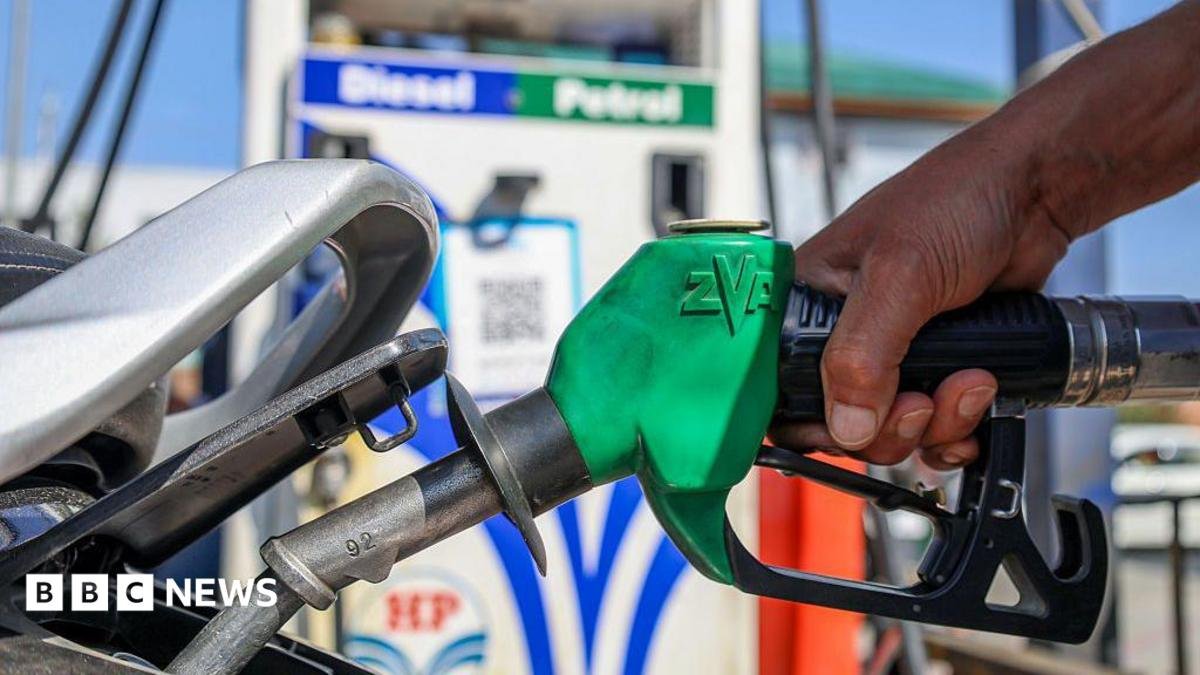
Mohammed Arif, who repairs motorcycle engines at a workshop, said he has serviced several older bikes over the past year for fuel residue build-up in carburettors, which he attributes to the higher ethanol content.
The deposits reduce performance and require more frequent cleaning, he said, increasing servicing costs for customers.
Basil Jacob, who runs a car servicing centre, said customers are reporting lower fuel efficiency, forcing them to fill up more often. Although ethanol is cheaper to produce, those savings have not been passed on at the pump, with E20 retailing at the same price as before.
“They’re paying the same per litre but getting fewer kilometres,” he said.
Some experts say potential risks may not show up immediately, but after months of E20 use – in the form of accelerated wear and tear of components.
“It will be a slow-burn impact. There could be corrosion in fuel delivery systems after 10,000-20,000 km of use. But if you maintain your car well, there may not be a problem,” Hormazd Sorabjee, editor of Autocar India, told the BBC, adding that some social media concerns are overblown.
Ethanol attracts moisture, which can separate from the fuel over time and cause corrosion, he said.
It can also loosen old engine deposits, sometimes clogging fuel pumps and injectors. The result could be faster wear, more frequent servicing and additional part replacements, although Sorabjee said the long-term costs are unlikely to be significant.
A survey done by online community platform LocalCircles, external of more than 44,000 people who bought petrol vehicles before 2023 found a jump in those who reported “an unusual increase in wear and tear or need for repairs”.
But no scientific studies are publicly available to support either the claims of damage or the government’s and automakers’ assurances that extensive testing found none. That evidence gap is fuelling the confusion.
“If you’re going to force this on the public, you should be able to prove it’s safe,” said a senior industry expert who spoke on condition of anonymity.
What’s most certain is the loss in fuel efficiency, so the fuel should have been cheaper and optional, he added.
The issue is further complicated by uncertainty over warranties and insurance. It remains unclear whether fuel-related faults in vehicles not designed for E20 would be covered.
Gupta questions whether automakers that have publicly backed E20 would honour warranty claims if fuel pumps or fuel lines fail after prolonged use of the blend.
The confusion deepened last month when private insurer ICICI Lombard first suggested in a blog post that using E20 in non-compliant vehicles could amount to “negligence” and lead to claim rejection.
It later reversed its position, saying motor policies “remain fully valid” with E20 use. Even so, experts note that motor insurance typically covers accidental damage, not wear and tear caused by fuel.
It’s a big question for those who own vehicles in India, a highly cost-sensitive market.
Follow BBC News India on Instagram, external, YouTube,, external X, external and Facebook, external.
