


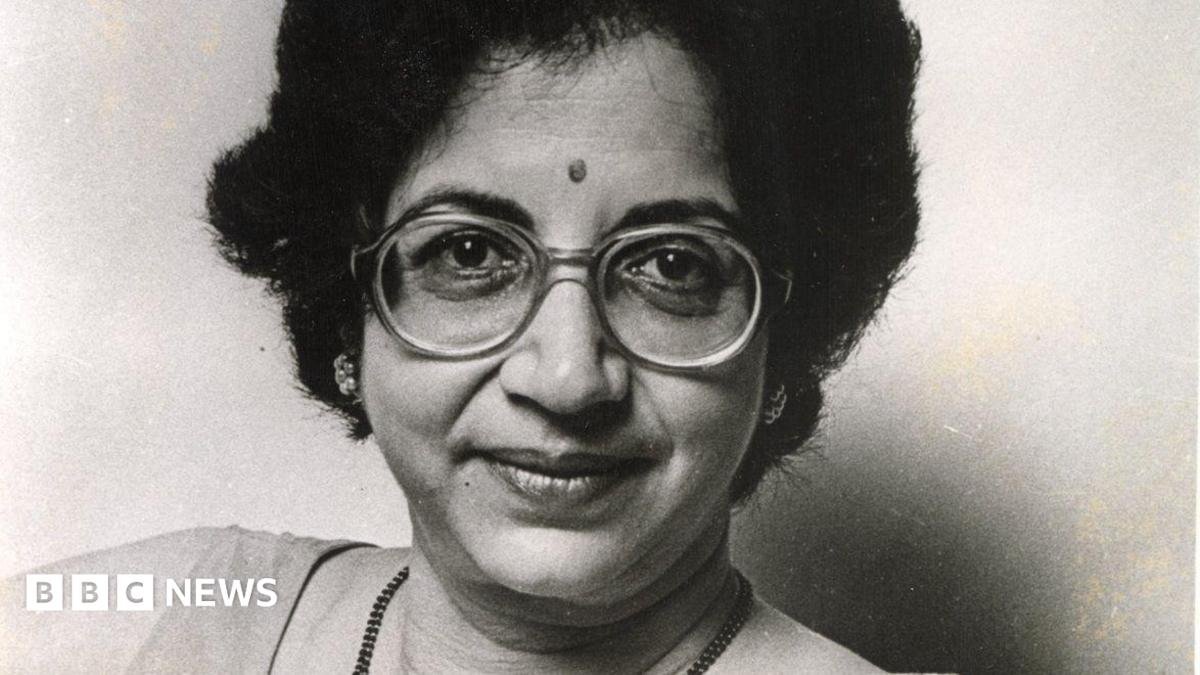
The change resonated with largely middle-class Marathi-speaking audiences, who finally saw their own lives reflected on stage. Her plays captured the complexities of everyday life, with flawed, believable characters whose honesty struck a chord.
In his tribute to Mehta on X, Raj Thackeray, one of Maharashtra’s most well-known politicians, celebrated her “courage” to transform Marathi theatre at a time when the state itself was coming into its own.
Mehta co-founded the experimental Mumbai theatre group Rangayan in 1960, the year Maharashtra was created when the Bombay Reorganisation Act split the bilingual Bombay state into Gujarati-speaking Gujarat and Marathi-speaking Maharashtra.
Thackeray said Mehta emerged at a time when Maharashtra was embracing social reform, industrialisation and universal education, and Marathi theatre needed to move beyond “grand sets and melodrama” to become “truly experimental”. “Vijaya Tai (sister) filled that void,” he wrote.
Rangayan staged some of Marathi theatre’s boldest experimental plays while nurturing a generation of actors and writers.
Playwright Mahesh Elkunchwar, whose one-act plays Mehta directed and produced at Rangayan, wrote fondly about working with her in the Indian Express newspaper.
“When I joined hands with Bai [which roughly translates to madam in the Marathi language], as Vijaya was called, I knew that I had found my home ground. We were not interested in entertaining; fame and money were not even on our radar. We wanted to explore theatre, art and life through our work,” he wrote.
Mehta also inspired many to pursue theatre. Among them was singer and writer Swanand Kirkire, who has said one of her workshops drew him to the stage.
The atmosphere, he wrote on X, was so “captivating” that he “just decided to settle right into it”.
Mehta introduced Marathi-speaking audiences to Sanskrit classics, experimental productions of plays by Marathi playrights like Vijay Tendulkar, and adaptations of works by Bertolt Brecht and Anton Chekhov.
