


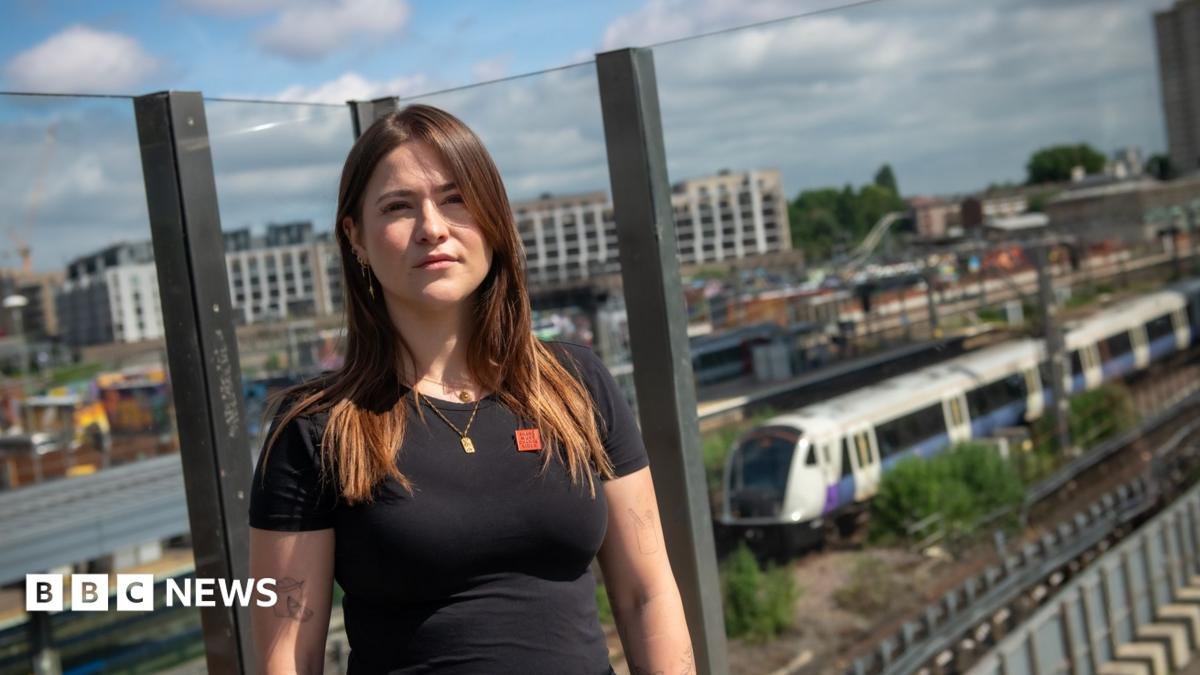
The videos Esme posted after being sexually assaulted the second time exploded online. At the time of writing they have had more than 500,000 views, and messages have poured in from people sharing similar experiences.
“Some people get it wrong in the comments – they try blaming me for the fact that it happened, or they leave racist comments about the attackers,” she says. “But I want to make it clear – this could happen to anyone.”
Figures released at the end of 2025 show reports of sexual offences on the London Underground reached their highest level in five years.
There were 595 sexual offences across all Tube lines in 2024-25, the most since 2019-20 when there were 776 reports.
The data, which was released by TfL in response to a Freedom of Information request, did not include the London Overground, DLR or Elizabeth Line.
At the time TfL said: “Tackling violence against women and girls on public transport has long been a priority for us and our policing partners, and concerted action has been undertaken for a number of years.”
Just three days after Esme’s assault, on 9 June 2026 a passenger was convicted under new sex-based harassment legislation. He had grabbed a woman’s hair and tried to kiss her on a train going into London, describing it as “banter”.
He was sentenced to a 12-month community order, 150 hours of unpaid work and a 15-day rehabilitation programme.
The BTP told the BBC that tackling sexual offending on the transport network is a priority as it is “committed to protecting everyone’s right to a safe journey”.
“The 61016 number receives more than 250,000 texts every year – and this figure continues to rise as confidence grows among passengers in reporting historically under-reported crimes, such as sexual offending,” a spokesperson said.
“This isn’t misplaced confidence, as we’ve shown time and time again that we won’t stop until we’ve caught offenders, put them before the courts, and secured justice for victims.”
