


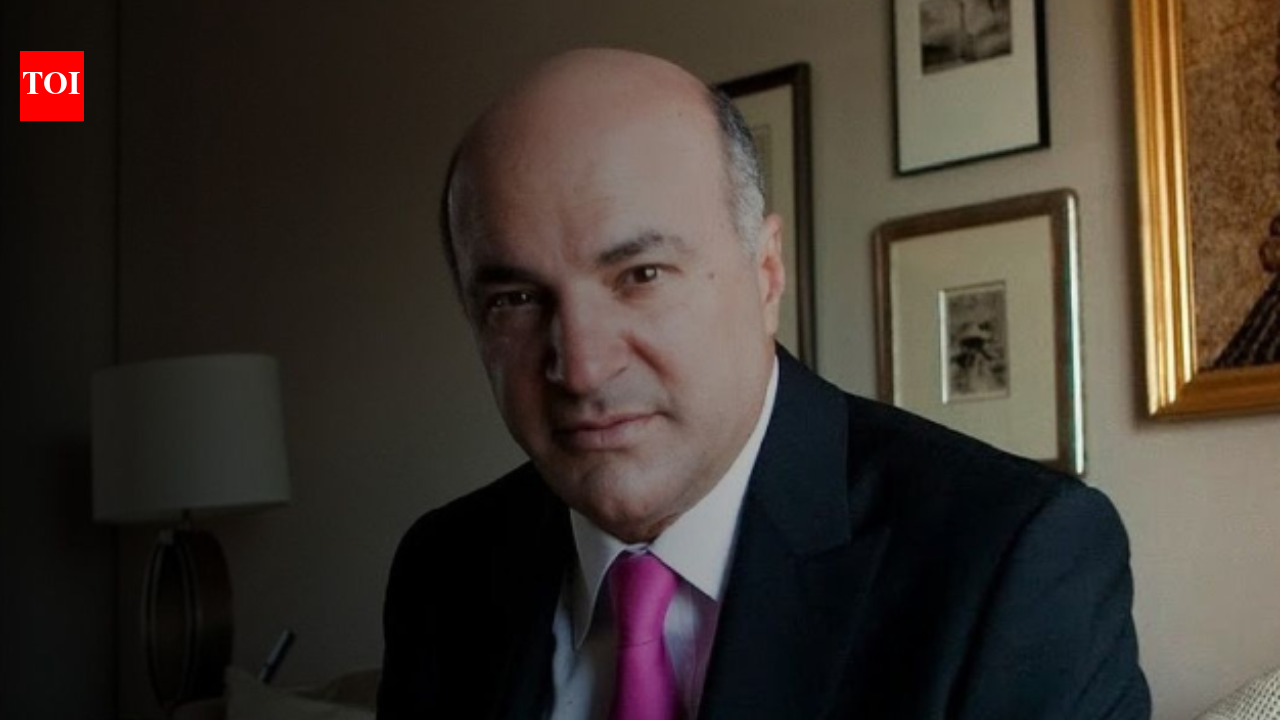
Billionaire Kevin O’Leary’s $100 billion data center project is facing a massive backlash in the northwestern corner of Utah. According to locals and scientists the Stratos Project, backed by celebrity Canadian investor Kevin O’Leary stands out not just for the way in which it was approved, but also for its size. “Shark Tank” fame O’Leary has boasted that it would be one of the biggest data centers in the world. As the protests against the project intensify, Kevin O’Leary has admitted that he needed to work in a more transparent way. The Canadian billionaire to a local ABC affiliate, ABC4.com. After agreeing to scale down the Stratos Project data center, Kevin O’Leary is admitting that he ‘screwed up’ the initial rollout of the plans. He has agreed that he should have addressed environmental concerns from the beginning.In an interview to the publication, he said, “Here’s what I think now at this point, I think the two of us [O’Leary and Adams] really screwed this up initially,” O’Leary said. “That’s what I think. I think we made huge mistakes. We made some assumptions that were just not right.”Leary said that he was not expecting this kind of intense blowback from the public, in fact thought that people would be excited about him investing $15 billion in the local economy. “We really screwed it up,” he said. “We pissed off a lot of people, and that’s not the way I do business. That’s not.”“I care about the people of Box Elder. I mean, they’re my partners in this because I want to employ a bunch of them, thousands of them, and there’s 66,000 people there, and I want to pay taxes there,” he said. “And I want to be a contributor to the community there and build something I’m very proud of, and I want them to be proud of it too, so the only way to do that is for me to communicate the process transparently.”
After push back, Kevin O’Leary promised scaling down data center project
In a letter sent to Utah Senate President J Stuart Adams earlier this month, O’Leary agreed to remove 19,430 acres in and around the Locomotive Springs area in recognition of the Locomotive Springs Waterfowl Management Area. His response came days after Adams sent a letter calling Leary for a 75% area reduction for the data center project. “The practical effect is that the project’s built industrial and data-center footprint is brought in line with the scale your letter contemplates while the broader expansion area remains available to anchor advanced manufacturing and defense-industrial uses over a 30-year horizon,” O’Leary said, responding to the issues raised in Adam’s letter. “We are aligned with the standards you have set.” O’Leary described the “industry-leading water-use technology” and is committed to dedicating any excess water to the Great Salt Lake.
