


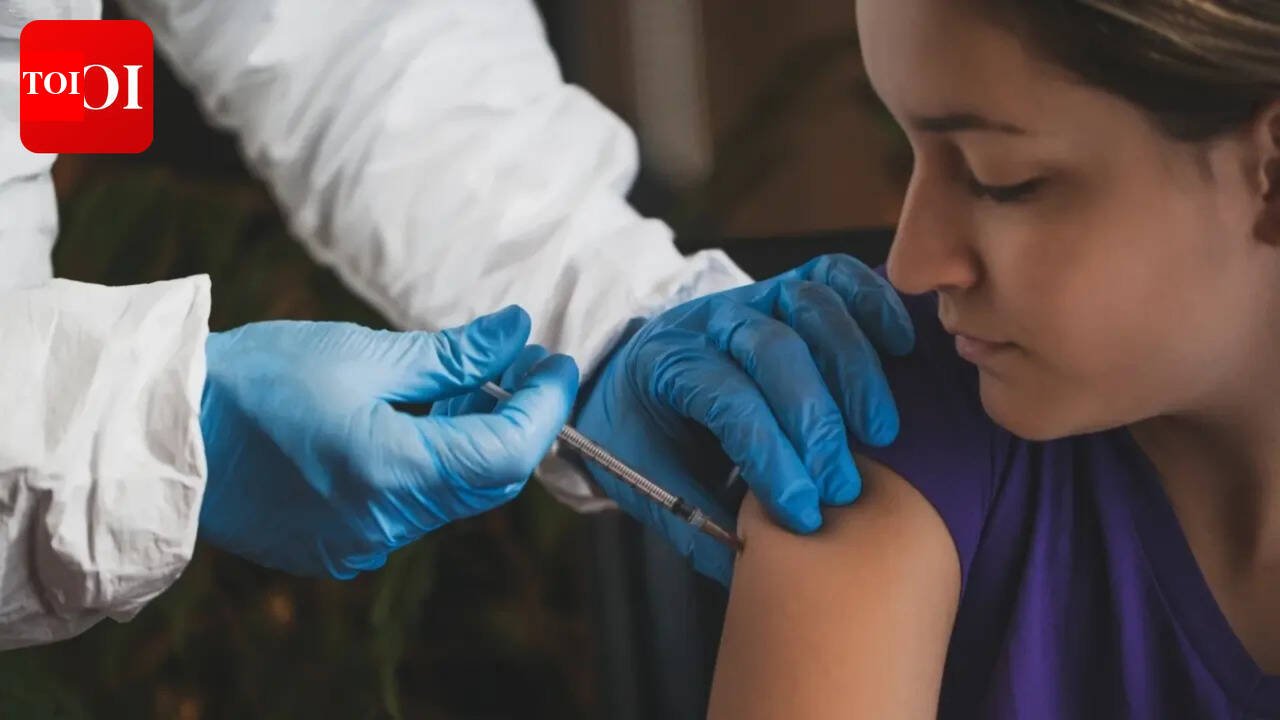
A new meningitis B (MenB) vaccination programme is set to roll out this summer, targeting around one million young people at a stage when their risk is considered highest. The UK Health Security Agency’s one-off campaign will offer two doses to Year 13 students aged 17 to 18, and under-25s going to university or other residential education settings this autumn. The initiative follows recent MenB outbreaks, prompting health agencies to act quickly to contain the risk among young adults. According to officials, this programme will help those at ‘highest immediate risk’, as the disease can lead to life-threatening illness.
What is meningitis?
Meningitis is an infection of the protective membranes that surround the brain and spinal cord (meninges), according to the NHS. It is usually caused by a bacterial or viral infection. While bacterial meningitis is rare, it is more serious than viral meningitis.Meningitis B is a bacterial infection caused by Neisseria meningitidis group B, one of several meningococcal strains. In 2015, a vaccine against this particular strain was first introduced as part of routine infant immunisation schedules.Though meningitis can affect anyone, it is more common in babies, young children, teenagers, and young adults. If not treated, it can become very serious, leading to life-threatening sepsis and permanent damage to the brain or nerves.
What are the symptoms of meningitis?
The symptoms of meningitis can develop suddenly. They include:
- a high temperature (fever)
- being sick
- diarrhoea
- a headache
- a rash that does not fade when a glass is rolled over it (but a rash will not always develop)
- a stiff neck
- a dislike of bright lights
- drowsiness or unresponsiveness
- seizures (fits)
These symptoms can appear in any order. It is not necessary to have all of the above symptoms.
Who is eligible for the one-off jab programme?
People born between 1 September 2007 and 31 August 2008 who are completing Year 13 or S6 in summer 2026, irrespective of their education plans, are eligible.People under the age of 25, either starting university or moving into residential further education settings for the first time in autumn 2026, are also eligible.Around one million young people will be eligible for this vaccine, the UK Health Security Agency said.
When and where to get the vaccine?
The first dose of the vaccine will be offered to eligible young people from 20 July, and the second dose will be given in August. The second dose must be given at least four weeks after the first dose. The GSK Bexsero vaccine will be used in the vaccination programme, which offers six to seven years of protection against MenB, health officials said.The vaccine is given by injection, usually in the upper arm. It takes at least two weeks after your second dose of the vaccine for your body to produce antibodies to give you a good level of protection.Year 13 students will be contacted via the NHS App, text messages, or letters by post. Other eligible individuals under 25 can book appointments directly at pharmacies.
