


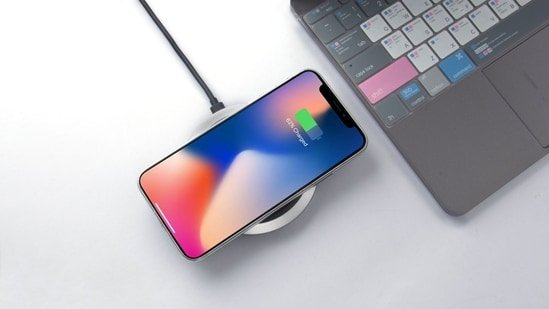
Wireless charging has moved from being a niche feature to a standard offering on many smartphones, earbuds and smartwatches. As more devices support Qi and Qi2 charging standards, managing multiple cables can quickly become a hassle. A wireless charging pad helps simplify daily charging by keeping devices powered from a single spot while reducing cable clutter.
If you’re planning to invest in a wireless charging solution, here are some options worth considering.
The Spigen PF2402 supports the latest Qi2 wireless charging standard and delivers up to 15W charging for compatible smartphones. Built-in magnetic alignment helps position devices correctly, which can improve charging efficiency and reduce interruptions caused by poor placement.
The charging pad supports MagSafe-compatible iPhones and selected Android devices that work with magnetic accessories. Its compact design makes it suitable for desks, bedside tables and workstations. For users upgrading from older wireless chargers, the PF2402 offers faster charging and better alignment technology.
The Ambrane Aerosynq Trio 2 is designed for users who charge multiple Apple devices every day. It combines charging support for an iPhone, Apple Watch and AirPods in a single unit.
The charger offers a combined output of 22.5W, including a Qi2-enabled 15W charging section for smartphones. Instead of using separate chargers for each device, users can keep all three gadgets in one place. This setup can help organise desks and bedside tables while reducing the number of charging cables.
The Zebronics ZEB-MAGBOOST 20 offers magnetic wireless charging at a lower cost compared to many premium alternatives. Integrated magnets help align compatible smartphones automatically for consistent charging performance.
The charger works with devices that support Qi wireless charging and includes protection against overcurrent and voltage fluctuations. It is a practical option for users looking to switch from wired charging without spending heavily on accessories.
Apple’s official charging pad is built for users who want the fastest wireless charging speeds available for compatible iPhones. When paired with a suitable USB-C power adapter, it can deliver up to 25W wireless charging on supported devices.
The charger also supports earlier MagSafe and Qi charging standards, making it compatible with older Apple products. Since it is developed by Apple, users benefit from direct hardware and software integration across the company’s ecosystem.
The white version of the ZEB-MAGBOOST20 offers the same functionality as its black counterpart while catering to users who prefer a lighter desktop setup. Magnetic alignment helps keep devices in position during charging, even when notifications or vibrations occur. The charger also includes protection mechanisms against overheating and short circuits. For daily charging needs, it provides a simple cable-free solution for compatible devices.
The Google GA09954-WW charging pad is designed for Pixel smartphone users seeking an official charging accessory. Its lightweight and slim form factor makes it easy to carry between home, office and travel destinations.
The charger regulates power delivery based on device temperature and charging requirements, helping maintain stable charging sessions. Pixel users who prefer brand-supported accessories may find this charger a suitable match for their devices.
For users who need charging away from a desk, the Zebronics 10000mAh wireless power bank combines portable power storage with magnetic charging support. The device includes a 10,000mAh battery and supports 20W wired charging through a USB Type-C port. Its MagSafe-compatible design allows it to attach to supported smartphones while charging wirelessly. This makes it useful for commuters, travellers, and professionals who spend long hours away from power outlets.
5 Things to Consider Before Buying a Wireless Charging Pad
1. Check Device Compatibility
Before purchasing a wireless charging pad, make sure it supports your smartphone, earbuds, smartwatch, or other devices. Most modern devices use the Qi standard, while newer models may support Qi2 or MagSafe for better alignment and charging speeds.
2. Look at Charging Speed
Wireless chargers are available with different power outputs, such as 5W, 7.5W, 10W, 15W, and higher. Choose a charger that matches the maximum wireless charging capability of your device to avoid slower charging performance.
3. Decide Between Single and Multi-Device Charging
If you only need to charge a phone, a standard charging pad may be enough. However, users with wireless earbuds and smartwatches should consider a multi-device charging station to keep all devices powered from one place.
4. Check Safety Features
A good wireless charger should include protection against overheating, overcurrent, overvoltage, and short circuits. These features help protect both the charger and your devices during daily use.
5. Consider Portability and Design
Think about where you’ll use the charger most often. Compact charging pads are easier to carry while travelling, whereas larger charging stations are better suited for desks or bedside tables. Also, choose a design that fits your workspace and charging habits.
Disclaimer: At Hindustan Times, we help you stay up-to-date with the latest trends and products. Hindustan Times has an affiliate partnership, so we may get a part of the revenue when you make a purchase. We shall not be liable for any claim under applicable laws, including but not limited to the Consumer Protection Act, 2019, with respect to the products. The products listed in this article are in no particular order of priority.
