


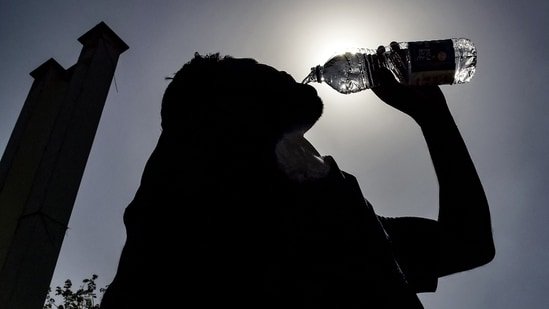
As heatwave conditions intensify across the country, many people find themselves dealing with muscle cramps, fatigue, and unexplained body aches. While dehydration is often the first culprit blamed – and frequently plays a significant role – health experts warn that not all heat-related muscle cramps can be attributed solely to inadequate fluid intake. In some instances, recurring or severe cramps may point to electrolyte disturbances, muscle damage, or other underlying medical conditions that warrant closer attention and professional evaluation.
HT Lifestyle reached out to Dr Akhilesh Rathi – director of orthopaedic and joint replacement at Sri Balaji Action Medical Institute, Paschim Vihar, and founder of Rathi Orthopedic and Spine Clinic in Dwarka, New Delhi – who highlights that heat-related muscle problems are among the most common musculoskeletal complaints during summer.
He explains, “We frequently see patients who experience sudden cramps while walking, exercising, or even performing routine household activities. While dehydration is a leading cause, repeated or severe cramps can sometimes indicate muscle strain, tendon injury, or overexertion, particularly in individuals who continue physical activity despite warning signs.”
Why heatwaves trigger muscle cramps
The human body relies on a delicate balance of fluids and electrolytes such as sodium, potassium, calcium, and magnesium to support normal muscle function. Dr Rathi highlights that during extreme heat, excessive sweating leads to significant fluid and mineral loss. When these losses are not adequately replaced, muscles become more prone to involuntary contractions, commonly known as cramps.
“Heat exposure also causes the body to work harder to regulate temperature. This increases fatigue and places additional stress on muscles, particularly among people who exercise outdoors, work in the sun, or have physically demanding jobs,” he further adds.
How to identify a simple cramp?
According to the orthopaedician, a typical heat-related cramp usually develops suddenly and affects the legs, calves, feet, or thighs. It may cause temporary discomfort but generally improves with rest, hydration, stretching, and cooling measures. In most cases, these cramps are not dangerous and can be managed at home.
He outlines the following signs of a simple heat cramp:
- Brief episodes lasting a few minutes.
- Relief after drinking fluids and resting.
- No swelling, bruising, or persistent weakness.
- Normal movement once the cramp subsides.
Warning signs that shouldn’t be ignored
Not all cramps are harmless. Dr Rathi notes that if pain persists long after the cramp has resolved, or if there is swelling, tenderness, difficulty walking, or reduced muscle strength, the individual may have sustained a muscle strain or soft tissue injury.
He warns, “Continuing physical activity despite severe cramps can increase the risk of muscle fibre damage. We often see patients who mistake an early injury for a simple cramp and delay treatment.”
Medical evaluation may be necessary if cramps are accompanied by the following:
- Persistent pain lasting several hours or days.
- Swelling or bruising.
- Muscle weakness.
- Difficulty standing or walking.
- Recurrent cramps despite adequate hydration.
The role of obesity and metabolic health
Excess body weight can make individuals more vulnerable to heat-related complications. HT Lifestyle spoke to Dr Pankaj Sharma – director of the department of robotics, bariatric, metabolic and GI surgery at Fortis Hospital, Shalimar Bagh, and the founder of Shalya Clinic in Rohini, New Delhi – for his expert insights regarding the matter.
“People with obesity often have greater difficulty regulating body temperature. They may sweat more, lose fluids faster, and experience higher levels of physical exertion even during routine activities. This can increase the likelihood of dehydration, electrolyte imbalance, and muscle fatigue during heatwaves,” explains Dr Sharma.
Additionally, conditions such as diabetes, hypertension, and metabolic syndrome can further affect fluid balance and increase susceptibility to cramps and heat-related illnesses.
How to protect your muscles this summer?
Experts recommend a proactive approach to preventing heat-related muscle problems:
- Drink water consistently throughout the day rather than waiting until you feel thirsty.
- Include electrolyte-rich fluids when spending extended periods outdoors.
- Avoid intense physical activity during peak afternoon heat.
- Wear lightweight, breathable clothing.
- Stretch before and after exercise.
- Take frequent breaks when working outdoors.
“A heatwave is not the ideal time to test your physical limits. If muscle cramps are frequent, severe, or accompanied by weakness and dizziness, it is important to look beyond dehydration and identify any underlying metabolic or health-related factors,” advises the metabolic surgeon.
Although dehydration is the leading cause of muscle cramps during the summer, ongoing pain, frequent cramping episodes, or accompanying muscle weakness should not be brushed aside. Extreme heat can place significant strain on the body, and what seems like a routine cramp may occasionally signal an underlying metabolic imbalance, electrolyte deficiency, or musculoskeletal problem. Understanding when a cramp is more than just a consequence of the heat can help you seek timely care, avoid complications, and stay healthy and active throughout the season.
Note to readers: This article is for informational purposes only and not a substitute for professional medical advice. Always seek the advice of your doctor with any questions about a medical condition.
