


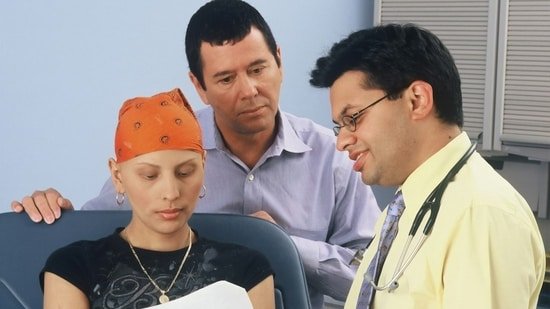
For many cancer patients, reaching the end of treatment is a significant milestone, often accompanied by relief, optimism, and a sense of accomplishment. However, life after cancer can bring its own challenges. Recovery may continue well beyond chemotherapy, radiation, or surgery, while worries about recurrence, returning to work, and readjusting to everyday life can create new uncertainties. As more people survive cancer than ever before, experts are placing increasing focus on survivorship care and supporting long-term health and quality of life.
Also Read | Oncologist warns against falling for tobacco products: ‘Addiction disguised as stress relief…’
HT Lifestyle reached out to Dr Ankur Nandan Varshney – senior medical oncologist at Medanta Hospital, Noida – who explains, “Completing cancer treatment is a major milestone, but it is not the end of the journey. Many survivors continue to face physical, emotional, and social challenges long after their treatment is over. The goal of survivorship care is to help patients not only live longer but also live better. As cancer survival rates improve, attention is increasingly shifting toward helping survivors successfully return to work, maintain their health, and regain confidence in their daily lives.”
As advances in cancer diagnosis and treatment continue to improve survival rates, greater attention is being paid to survivorship care and helping patients regain their quality of life. Returning to work is a key milestone in this journey, with studies suggesting that nearly three-fourths of cancer survivors eventually resume employment, although many continue to face physical and emotional challenges during the transition.
Prioritise follow-up care
Many survivors mistakenly assume that completing treatment means they no longer require regular medical care. However, scheduled follow-up appointments remain a crucial part of survivorship. These visits help doctors monitor for signs of recurrence, manage long-term treatment-related side effects, identify potential complications early, and address any persistent physical or emotional symptoms that may continue long after treatment has ended.
Dr Varshney explains, “Cancer follow-up is not merely about looking for recurrence. It is equally about ensuring that survivors regain the best possible quality of life. These appointments help monitor for recurrence, manage long-term side effects, and detect any treatment-related complications early. Follow-up care also provides an opportunity to discuss persistent symptoms such as fatigue, pain, sleep disturbances, or cognitive difficulties. Long-term health requires a comprehensive approach beyond cancer surveillance.”
Don’t ignore persistent fatigue
According to Dr Varshney, cancer-related fatigue is one of the most common complaints after treatment. Research suggests that up to 80 percent of patients experience significant fatigue during cancer treatment, and nearly one-third may continue to experience fatigue months or even years after treatment ends. This can impact concentration, productivity, and confidence at work.
He notes, “Many survivors feel frustrated because they expect their energy levels to bounce back immediately. However, recovery often takes time. Gradually increasing physical activity, maintaining good nutrition, and addressing sleep issues can help improve energy levels.”
Challenges commonly faced by survivors after returning to work
With advances in modern day cancer detection and treatment, a cancer diagnosis is no longer a death sentence in most cases. After completing treatment, many survivors can resume their normal life and daily routines, which includes returning to the workforce. It can be an important step towards regaining normalcy, independence and confidence. However, the transition takes time and is not always smooth, and can be accompanied by physical, emotional and practical challenges.
Physical limitations
Some survivors continue to experience fatigue, weakness, neuropathy, or mobility issues following chemotherapy, surgery, or radiation therapy. These symptoms may affect productivity and endurance.
Cognitive changes
Many survivors report difficulty with memory, multitasking, or concentration, often referred to as “chemo brain.” These challenges can be particularly noticeable in demanding professional environments.
Emotional concerns
Fear of recurrence, anxiety about performance, and concerns about workplace perceptions can create significant stress.
Workplace adjustments
Studies have shown that lack of workplace accommodations is associated with poorer long-term employment outcomes among cancer survivors. Flexible schedules, gradual return-to-work plans, and supportive employers can make a substantial difference.
Practical solutions for a smoother transition
Dr Varshney emphasises that a healthy diet, regular exercise, adequate sleep, stress management and avoiding tobacco can significantly improve long-term outcomes and quality of life for cancer survivors. The oncologist outlines the following practical solutions that can help navigate life after cancer.
Start gradually
If possible, begin with reduced hours or lighter responsibilities before resuming a full workload. This allows the body and mind to adapt progressively.
Communicate openly
While every individual may not wish to disclose all medical details, discussing practical limitations with employers or supervisors can help create realistic expectations and necessary accommodations.
Focus on physical activity
Regular exercise has been shown to improve fatigue, mood, and overall well-being among cancer survivors. Even moderate activity such as walking or yoga can support recovery.
Seek emotional support
Support groups, counseling, and survivorship programs can help survivors cope with anxiety, uncertainty, and social challenges that often arise after treatment.
Maintain healthy lifestyle habits
Balanced nutrition, adequate sleep, weight management, and avoidance of tobacco and excessive alcohol remain important for long-term health and reducing future health risks.
Lifestyle and dietary habits matter the most
A nutritious diet plays a key role in recovery and long-term health. Survivors should focus on fruits, vegetables, whole grains, pulses, nuts, and lean sources of protein. These foods help support immunity, maintain energy levels, and reduce the risk of other chronic diseases.
Cancer survivorship extends beyond medical reports and scan results. It encompasses emotional resilience, financial stability, relationships, career goals, and overall quality of life.
Dr Varshney concludes, “Cancer survivorship is a new chapter, not simply the end of treatment. Regular follow-ups, healthy lifestyle choices, emotional well-being, and a gradual return to professional and personal responsibilities are all essential components of recovery. The goal is not just longer survival, but a better quality of life. Every survivor deserves the opportunity and support to thrive after cancer.”
Note to readers: This article is for informational purposes only and not a substitute for professional medical advice. Always seek the advice of your doctor with any questions about a medical condition.
