


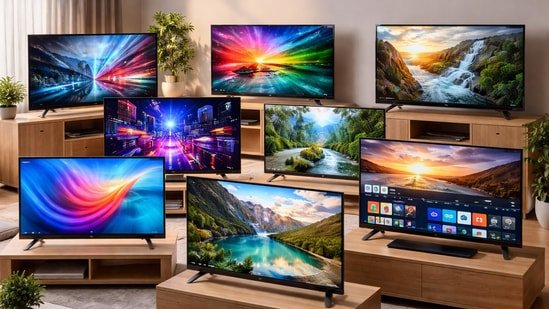
For years, TV brands have promoted 8K as the next step in home entertainment. Yet in 2026, most consumers are still buying 4K televisions, and for good reason.
The main challenge for 8K remains content availability. While streaming platforms, broadcasters, and gaming systems have steadily embraced 4K, native 8K movies, shows, and live events remain rare. As a result, many viewers end up watching upscaled content rather than true 8K material.
Resolution is also only one part of picture quality. Factors such as brightness, contrast, colour performance, motion handling, and sound often have a greater impact on day-to-day viewing. For many households, the visual difference between 4K and 8K is difficult to notice unless the screen is very large and viewed from a short distance.
Price continues to play a major role as well. Consumers can find a wide range of 4K TVs across different budgets, making them a more practical choice for movies, sports, gaming, and streaming. While 8K technology continues to evolve, 4K remains the standard that delivers the best balance of performance, content support, and value.
If you’re considering a new television, these 4K models offer features that matter more than resolution alone.
The Vu Vibe Series focuses on delivering a large-screen viewing experience without pushing buyers into the premium 8K segment. Its 75-inch QLED panel supports 4K resolution and Dolby Vision for improved picture performance across movies and streaming content.
The TV also includes Dolby Atmos support, HDR10, and HLG compatibility. A wide viewing angle helps maintain picture consistency across different seating positions. For audio, the television features an 88W speaker system with dedicated sound modes for sports and cinema content.
Haier’s H6E Series combines 4K resolution with a QLED display and Google TV software. It supports HDR10, HLG, and MEMC technology to help improve motion clarity during sports broadcasts and action scenes.
Running on Google TV, the model provides access to popular streaming apps, voice controls through Google Assistant, and built-in casting support. The television also features a 30W speaker setup with Dolby Audio support for everyday entertainment needs.
Samsung’s Neo QLED model highlights how display technology can matter more than higher resolution. The television uses Mini-LED backlighting and includes Samsung’s AI-powered picture processing features for upscaling and content optimisation.
Gamers may find this model appealing thanks to refresh rates that can reach 144Hz, along with support for features such as Auto Low Latency Mode (ALLM) and Game Motion Plus. Audio enhancements, including Object Tracking Sound Lite and Adaptive Sound Pro, further support movies and gaming sessions.
Sony continues to focus on picture processing, an area where the company has built a strong reputation. The BRAVIA 3 Series uses the 4K HDR Processor X1 and supports HDR10 content along with Sony’s Triluminous Pro technology.
Google TV provides access to streaming services, voice controls, personalised recommendations, and a dedicated kids mode. Connectivity options include multiple HDMI and USB ports, while Dolby Atmos support helps enhance the overall entertainment experience.
The Xiaomi FX Pro remains one of the most popular choices for buyers looking for a feature-rich 4K television. It offers a QLED panel with 4K resolution, HDR10+ support, and MEMC technology for smoother playback of fast-moving content.
Powered by Fire TV OS, the television provides direct access to major streaming services and thousands of downloadable applications. Connectivity options include HDMI, USB, Wi-Fi, and Bluetooth, allowing users to connect gaming consoles, streaming devices, and other accessories with ease.
5 Things to Consider Before Buying a TV
1. Screen Size and Viewing Distance
Choose a screen size that matches your room and seating arrangement. A larger TV is not always better if you sit far away.
2. Display Technology
Compare LED, QLED, OLED, and Mini-LED options. Picture quality often depends more on panel technology than resolution alone.
3. Smart TV Platform
Check whether the TV runs Google TV, Fire TV, Tizen, or another operating system that supports your preferred streaming apps.
4. Gaming and Connectivity Features
Look for HDMI 2.1, ALLM, VRR, and higher refresh rates if you plan to connect a gaming console or PC.
5. Audio and Picture Performance
Consider sound output, HDR support, brightness, and picture processing, as these features can have a bigger impact on everyday viewing than resolution.
Disclaimer: At Hindustan Times, we help you stay up-to-date with the latest trends and products. Hindustan Times has an affiliate partnership, so we may get a part of the revenue when you make a purchase. We shall not be liable for any claim under applicable laws, including but not limited to the Consumer Protection Act, 2019, with respect to the products. The products listed in this article are in no particular order of priority.
