


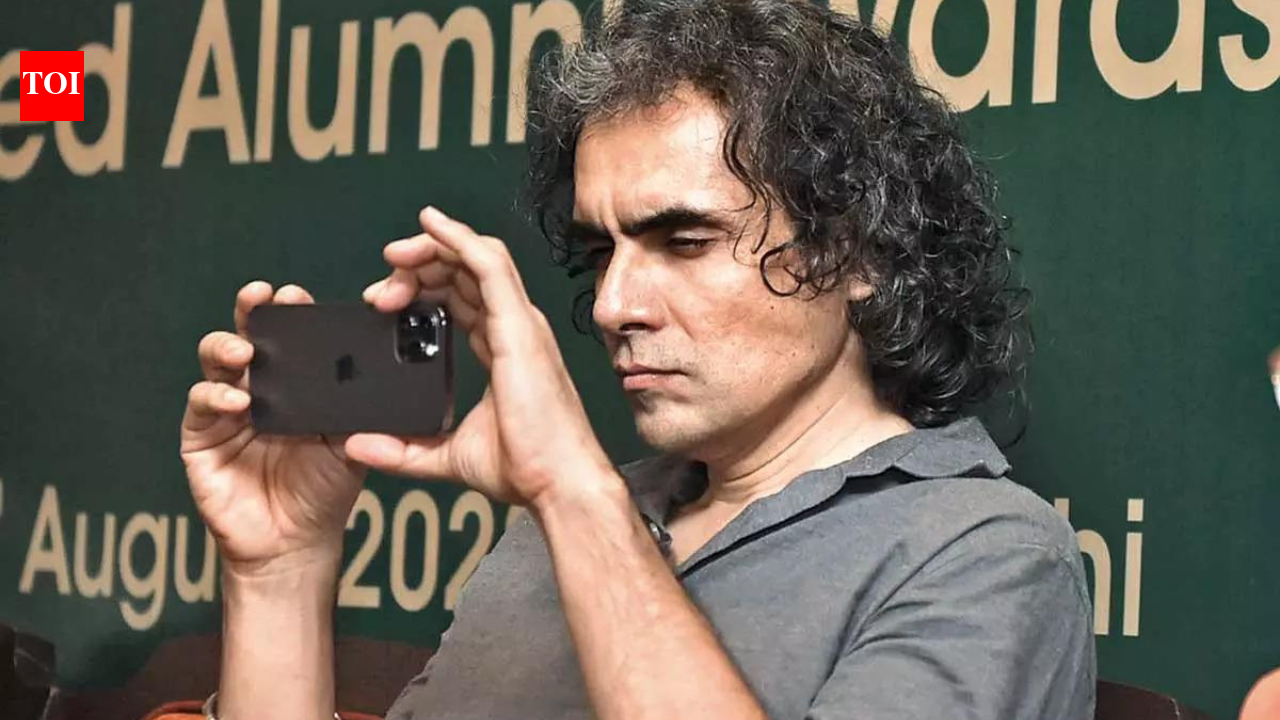
More than 14 years after Rockstar became one of Bollywood’s most celebrated films, filmmaker Imtiaz Ali has shared a lesser-known chapter from its making. Speaking on Raj Shamani’s podcast, the director revealed that the intense experience of creating the film left a visible mark on him.“The making of Rockstar was, I feel, very unifying. It was also a bit crazy, though; we would not like to repeat it. It was ‘junooni.’ We had no idea why we were so emotional. We were losing weight and hair. I lost some 7 to 10 kilos during the shooting of the film. I was eating, but I got thin, lost weight, and even got dark,” he recalled.Losing 10 kilograms may sound like a fitness achievement. But experts say that when weight loss happens unintentionally, especially during prolonged periods of stress, it may indicate that the body is paying a hidden price.
When stress makes the body lose weight instead of gain it
Stress is often associated with emotional eating and weight gain. However, the body’s response to stress is far more complex.According to Dr Rajiv Kovil, Diabetes and Obesity Specialist at Zandra Healthcare, “Stress can cause significant weight loss, even in individuals who are not trying to lose weight. While obesity is commonly linked to stress-related overeating, intense and prolonged stress can have the opposite effect in some people. During periods of extreme mental and physical demand, the body releases stress hormones such as adrenaline and cortisol, which can increase energy expenditure, disrupt sleep, suppress appetite, and accelerate muscle breakdown. The result can be unintended weight loss, fatigue, and reduced physical resilience.”The human body treats chronic stress almost like a prolonged emergency. Instead of focusing on recovery and maintenance, it redirects resources toward coping with perceived threats. Appetite can become irregular, sleep suffers, and the body’s ability to preserve muscle begins to decline.Research from the US government’s National Institute of Health notes that chronic stress can affect nearly every system in the body, including metabolism, digestion, sleep, and immune function.
Why creative passion can sometimes come with a physical cost
Many people imagine filmmaking as glamorous, but large-scale productions often involve long workdays, unpredictable schedules, extensive travel, and constant decision-making.Dr Kovil believes this context makes Imtiaz Ali‘s experience medically plausible, “What makes Imtiaz Ali’s account particularly believable is the context. Filmmaking at that scale is not a routine desk job; it often involves months of long working hours, emotional investment, irregular schedules, travel, and relentless decision making. When people become completely immersed in a passion project, they frequently neglect recovery, sleep, exercise, and even nutrition.“History is filled with artists, filmmakers, athletes, and entrepreneurs who have spoken about the physical toll of chasing excellence. The late Steve Jobs once remarked that passion can consume a person’s attention completely. While dedication often fuels great work, health experts say that the body still needs adequate rest, nourishment, and recovery.The challenge is that people rarely notice the damage while they are in the middle of something they deeply care about.
The hidden health risks behind rapid weight loss
Not all weight loss is fat loss.When the body experiences prolonged stress, it may begin breaking down muscle tissue to meet energy demands. This can lead to a reduction in strength, stamina, and overall physical resilience.
Some potential consequences include:
- Increased fatigue and lower energy levels
- Weakened immunity
- Reduced muscle strength
- Poor concentration and mood changes
- Slower recovery from illness or injury
- Greater risk of nutritional deficiencies
This is why doctors often look beyond the number on the scale. A person may appear thinner while actually becoming less healthy internally.
While society frequently celebrates a lower number on the weighing scale, doctors warn that stress-induced weight loss can silently affect muscle mass, immunity, sleep, mental health, and overall well-being.
Hair loss, exhaustion, and other signs the body is struggling
One detail from Imtiaz Ali’s recollection stood out: hair loss.According to Dr Kovil, “The reported hair loss among team members also fits with what we see medically, as severe stress can trigger a condition called telogen effluvium, leading to excessive hair shedding.”Telogen effluvium occurs when a stressful event pushes a large number of hair follicles into a resting phase. Weeks or months later, noticeable shedding begins.The condition became widely discussed during the COVID-19 pandemic, when doctors around the world reported stress-related hair loss among patients recovering from illness and emotional strain.Hair loss is often one of the body’s visible warning signs, but it is rarely the only one. Persistent tiredness, sleep disturbances, irritability, digestive issues, and difficulty concentrating may all indicate that stress is taking a physical toll.
Why the way you lose weight matters more than the weight you lose
Modern culture often treats weight loss as automatically positive. Yet health experts increasingly stress that context matters.A person who loses 10 kilograms through balanced nutrition, regular exercise, adequate sleep, and medical supervision is very different from someone who loses the same amount due to chronic stress, burnout, illness, or nutritional neglect.Dr Kovil emphasised this point, “The key message is that not all weight loss is healthy. Losing 10 kilograms due to chronic stress may look dramatic, but it can come at the cost of muscle mass, immunity, mental well-being, and overall health. Sustainable health is not about losing weight at any cost; it is about maintaining physical and emotional resilience while pursuing excellence.”That message extends far beyond filmmaking. Whether someone is building a business, preparing for exams, caring for family members, or working toward a major career goal, the body’s needs do not disappear simply because life becomes demanding.The healthiest transformation is one that leaves a person stronger, not simply lighter.Disclaimer: This article is intended for informational purposes only and should not be considered medical advice. Unexplained or rapid weight loss can sometimes indicate underlying health conditions. Anyone experiencing significant changes in weight, appetite, energy levels, or overall health should consult a qualified healthcare professional for evaluation and guidance.
