


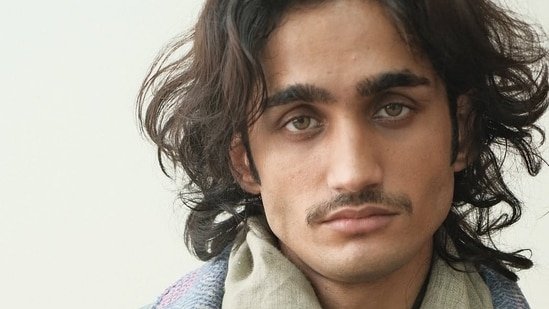
The death of 26-year-old Delhi-based model Divyanshu Joshi has cast a sombre shadow over India’s fashion landscape. Divyanshu, who managed the Delhi retail outlet for the artisanal clothing label Kartik Research, reportedly drowned in an abandoned stone quarry in the Ernakulam district of Kerala on May 28, 2026. Also read | Bengali actor Rahul Arunoday Banerjee dies in Odisha after drowning accident

The incident occurred in Mudakuzha, reportedly a site known locally to be highly hazardous. According to reports quoting local authorities, the deep water-filled quarry had been inactive for over two decades and was strictly off-limits to the public.
Discrepancies surround the death
As public outcry began to grow on social media, sharp contradictions emerged over Kartik Research’s project and safety protocols. In a June 1 report by Mint Lounge, Sarin AS, the station house officer (SHO) of the Kodanad Police Station, stated that the first information report (FIR) was registered following a complaint by Rajeev Neelakantan of the Kochi-based Rubberband Productions. The local production house had been contracted by a Delhi-based textile firm to facilitate the assignment.
Both the local panchayat president, Shimy Varghese, and Neelakantan confirmed to The Mint that the mandatory administrative permissions required to shoot at or enter the quarry had never been acquired. Furthermore, the statements detailing the actual sequence of events vary significantly.
A statement from Kartik Research, reported by Mint Lounge, said that the brand’s founder, Kartik Kumra, personally ‘entered the water to search for Divyanshu but was unable to locate him’, while the crew contacted emergency rescue services.
Contrary to this sequence, SHO Sarin told Mint Lounge, “Nobody jumped in the lake after Joshi (Divyanshu Joshi).” Authorities noted that Divyanshu slipped into a deep, spiral-pyramid section of the quarry while being filmed, and rescue units later retrieved his body from a depth of approximately 30 feet.
The brand’s counter-response to public backlash
Facing criticism and calls for accountability on social media platforms, Kartik Research broke its silence with a public statement. While mourning the loss of a ‘dear colleague and friend’, the label pushed back against the public narrative.
The brand shared in its May 31 Instagram post that Divyanshu was in Kerala strictly for a seasonal commercial campaign and ‘was not participating in any swimming-related activity as part of the production’. Characterising the online discourse as ‘mischaracterised circumstances’ and ‘inaccurate accounts’, the label requested privacy and announced it would refrain from making any further public commentary.
Here’s the full statement issued by Kartik Research: “We are heartbroken by the loss of our dear colleague and friend, Divyanshu Joshi, who passed away on 28 May 2026. For the past two years, Divyanshu led our Delhi store with warmth, dedication, and generosity. He was deeply loved by his team and will be profoundly missed by everyone who had the privilege of knowing and working alongside him. As inaccurate accounts of this tragedy continue to circulate, we wish to clarify that Divyanshu was in Kerala as part of a seasonal photo shoot and was not participating in any swimming-related activity as part of the production. Some public reports have mischaracterised the circumstances of the incident. We are sharing this clarification so that the focus remains on honouring his life and memory. We will not be making any further public comment and ask that the privacy of those close to him be respected at this difficult time. May he rest in peace.”
Beyond the immediate legal investigation into the unauthorised location choice, Divyanshu Joshi’s death has exposed the deep systemic vulnerabilities facing professionals within the Indian fashion ecosystem. As the police continue their investigation into the exact logistical lapses that led the production crew to a notorious ‘death trap’ quarry, the fashion community is facing a turning point — forcing a long-overdue conversation on whether aesthetic vision is regularly prioritised over human safety.
