


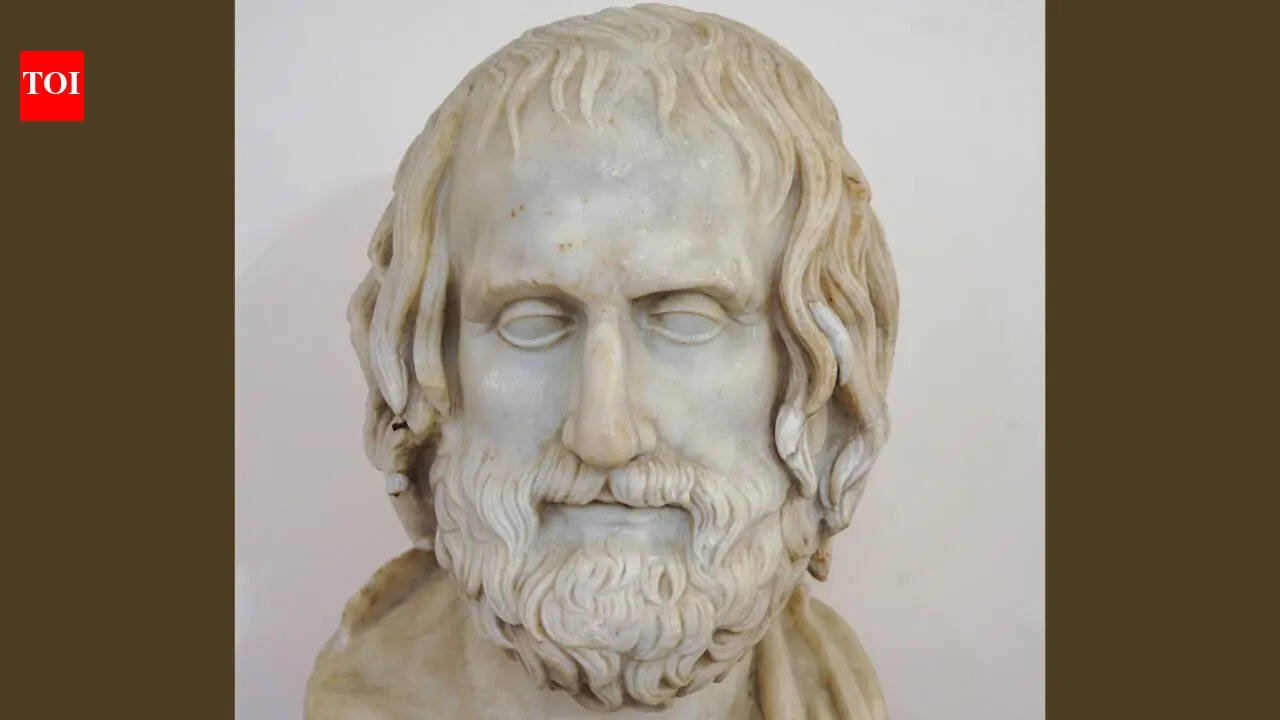
There are some quotes that feel ancient immediately. The language sounds heavy. Dramatic. Almost theatrical. Yet once the meaning settles in, the emotion underneath feels surprisingly familiar. This quote by Euripides is one of those lines. Even after centuries, it still sounds painfully human because it speaks about something people continue struggling with now: what heartbreak can do to somebody emotionally.“For in other ways a woman is full of fear, defenseless, dreads the sight of cold steel; but, when once she is wronged in the matter of love, no other soul can hold so many thoughts of blood.”It is an intense quote. No question about that. The wording almost shocks modern readers at first because Euripides does not describe love gently here. He describes what happens after love breaks apart badly. More specifically, he describes what betrayal can awaken inside people who once appeared soft, emotional or vulnerable.The quote is not really celebrating revenge. It feels more like a warning about emotional pain itself. Euripides seems fascinated by how quickly love can transform into anger once trust disappears. Somebody who once cared deeply can suddenly become consumed by resentment, bitterness or destructive thoughts after betrayal enters the picture.Most people probably recognise smaller versions of this in ordinary life.A breakup changes somebody completely. A betrayal hardens a once-trusting person. Someone who was emotionally open suddenly becomes guarded for years afterwards. Love affects people deeply because emotional attachment creates vulnerability. Once that vulnerability gets damaged, reactions can become unpredictable.That appears to be the deeper emotional truth inside the quote.
Quote of the day by Euripides
“For in other ways a woman is full of fear, defenseless, dreads the sight of cold steel; but, when once she is wronged in the matter of love, no other soul can hold so many thoughts of blood”
Understand the meaning of the quote by Euripides
At its core, the quote seems to describe emotional transformation. Euripides suggests that somebody who normally appears fearful or emotionally gentle may become unexpectedly fierce after experiencing betrayal in love.The wording reflects ancient Greek drama, so naturally it sounds exaggerated and poetic. Still, the psychological idea underneath feels believable. Human beings often react more intensely to emotional wounds than outsiders expect. Betrayal attacks trust directly, and trust sits at the centre of most close relationships.Once trust breaks, emotions can become messy very quickly.People feel humiliated. Angry. Obsessed. Jealous. Some become emotionally numb instead. Others replay conversations and memories endlessly, searching for where things changed. Heartbreak rarely stays neat and controlled despite how calmly people sometimes appear publicly.Euripides seems interested in exactly that emotional chaos.The quote also suggests that emotional pain can awaken strength in unexpected ways. Someone once passive may suddenly become emotionally intense once pushed beyond certain limits. That transformation probably explains why stories about betrayal continue appearing in films, novels and television constantly.People remain fascinated by what heartbreak does to human behaviour.
Euripides often wrote about painful emotions
Euripides became known for writing emotionally complicated characters who often felt deeply human despite living inside mythological stories. His plays explored jealousy, revenge, grief, love and psychological suffering with unusual intensity compared to many writers of his time.One of his most famous works, Medea, revolves around betrayal in a relationship. Medea experiences emotional devastation after being abandoned by her husband Jason, and the story follows the terrifying emotional consequences that unfold afterwards.The quote comes from that emotional world.Euripides seemed less interested in portraying people as simply “good” or “evil.” Instead, he explored how extreme emotions push ordinary individuals toward shocking behaviour. Love appears constantly in his work, though rarely as something peaceful or uncomplicated.His characters often love fiercely.They suffer fiercely, too.That emotional intensity probably explains why his writing still feels alive now, despite being thousands of years old.
Love can change people in unsettling ways
One reason this quote still resonates is that heartbreak genuinely changes people. Sometimes temporarily. Sometimes permanently. Most adults eventually experience at least one emotional betrayal that leaves lasting marks on trust or relationships afterwards.Someone once optimistic about love may become cautious.Someone emotionally open may become guarded.Another person may carry anger quietly for years without fully realising how deeply betrayal affected them.The quote exaggerates these emotions dramatically because Greek tragedies relied heavily on emotional extremes. Still, the central observation feels recognisable. Emotional pain can push people toward versions of themselves they never expected to become.That does not necessarily mean violence literally.Sometimes emotional “blood” simply means bitterness, revenge fantasies or emotional coldness. A wounded person may stop trusting others completely. They may sabotage future relationships out of fear. Some individuals become emotionally detached because vulnerability itself now feels dangerous.Heartbreak often leaves psychological scars that people cannot see externally.
Ancient societies feared uncontrolled emotion
Another interesting thing about the quote is how strongly it reflects ancient Greek ideas about emotion. Greek tragedies frequently warned that uncontrolled emotions could destroy lives completely. Love, pride, jealousy and revenge were treated almost like dangerous forces capable of overpowering reason itself.Euripides clearly shared a fascination with this idea.The quote suggests that emotional betrayal can override fear entirely. Somebody who once appeared vulnerable suddenly becomes emotionally dangerous because intense pain changed them internally.That transformation still appears constantly in modern storytelling.People continue watching dramas about betrayal because emotional collapse feels universally understandable. Most individuals know how powerful emotions become once trust disappears unexpectedly.Modern psychology supports parts of this, too. Researchers often note that emotional rejection activates many of the same brain regions involved in physical pain. Heartbreak does not simply feel symbolic. The brain often processes it as a real form of suffering.That helps explain why emotional betrayal can trigger such powerful reactions.
The quote also says something about vulnerability
Perhaps the saddest part of the quote is that it indirectly reveals how vulnerable love makes people. Human beings naturally lower emotional defences in close relationships. They trust. Depend emotionally. Imagine futures together. That vulnerability creates intimacy, though it also creates the possibility for enormous emotional damage later.Euripides seems deeply aware of this contradiction.Love can make people feel safest.Love can also leave them emotionally shattered once betrayal appears.That emotional risk probably explains why heartbreak feels so destabilising compared to ordinary disappointment. Romantic betrayal affects identity itself. People begin questioning judgment, memories and even self-worth after painful breakups sometimes.The quote captures that emotional instability vividly.
Why ancient relationship quotes still feel modern
Technology has changed completely since Euripides lived, though emotional relationships remain surprisingly similar. People still fall deeply in love. They still betray each other, too. Jealousy, insecurity and heartbreak continue shaping human behaviour exactly as they did centuries ago.That may explain why old quotes like this still spread online now.Human beings recognise emotional truth even when language sounds ancient.People know heartbreak can transform personalities temporarily. They know emotional wounds sometimes create anger far stronger than outsiders expect. Euripides understood those reactions long before psychology existed formally as a field of study.His quote survives because the emotional reality underneath it never fully disappeared.
Other famous quotes by Euripides
- “Talk sense to a fool and he calls you foolish.”
- “Friends show their love in times of trouble.”
- “Whom the gods would destroy, they first make mad.”
- “One loyal friend is worth ten thousand relatives.”
- “Chance fights ever on the side of the prudent.”
Euripides’ quote about love reveals how emotional pain can change people completely
This quote remains memorable because it refuses to describe love as something purely beautiful or comforting. Euripides focuses instead on what happens once love becomes tangled with betrayal, humiliation and emotional pain.That honesty still feels unsettling now.People often underestimate emotional wounds because they are invisible physically. Yet heartbreak can alter personalities, trust and behaviour profoundly. Someone gentle may become cold afterwards. Someone fearful may suddenly become fierce once pushed emotionally beyond certain limits.Euripides understood that contradiction deeply.Perhaps that is why the quote continues surviving centuries later. It captures an uncomfortable truth many people quietly recognise from experience: love can reveal the softest and darkest parts of human nature at the same time.
