


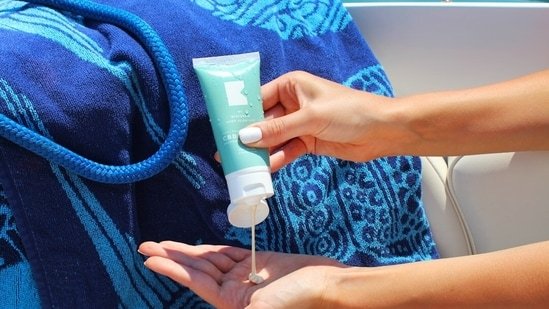
For years, sunscreen in India was seen as something meant only for beach holidays or long hours outdoors. Many people believed Indian skin did not need daily sun protection because of its higher melanin content. Indian skin may tan more easily than burn, but concerns such as pigmentation, uneven skin tone, premature ageing, and a weakened skin barrier are still strongly linked to sun exposure. This raises an important question: can one sunscreen really work for every Indian skin type?
In an interview with HT Lifestyle, Dr Urvi Panchal, dermatologist and cosmetologist in Gurgaon, and Shaily Mehrotra, CEO and co-founder of Fixderma and FCL decodes if one sunscreen can work across Indian skin types or not.
Also read | Try these 7 sunscreens that give maximum sun protection without leaving a white cast
Why does Indian skin still need daily sun protection?
Shaily said, “Sun exposure affects the skin in ways that go beyond tanning. One of the most common concerns is premature ageing or photoageing, which can lead to fine lines, dullness, and uneven texture over time.” Pigmentation is another major concern for Indian skin.
Post-acne marks, tanning and melasma often worsen without proper sun protection. Even people using active ingredients like retinol, vitamin C, or exfoliating acids may not see the desired results if sunscreen is not a consistent part of their routine.
Why do texture, climate, and skin type all matter?
According to Shaily, India’s climate varies dramatically from region to region, and that directly affects how skincare products perform. A sunscreen that feels lightweight in one city may feel greasy or uncomfortable in another.
Different skin types often need different formulations. She highlighted that oily or acne-prone skin usually responds better to lightweight gels or fluid-based sunscreens, while dry skin may benefit from cream-based formulas with added hydration. Sensitive skin often requires gentle, fragrance-free options that minimise irritation.
The issue of white cast has also been a major concern for Indian consumers, particularly for medium to deeper skin tones. Fortunately, newer formulations are becoming more inclusive and cosmetically elegant.
What actually matters while choosing a sunscreen?
Instead of searching for one universal sunscreen, consumers should focus on finding a formula that suits their skin type, lifestyle, and environment. Broad-spectrum protection is essential because it protects against both UVA and UVB rays. SPF 50 is generally considered a good baseline for daily use. Texture also matters because consistency depends on comfort.
Lightweight gels and fluids may work better in hot and humid weather, while creamier textures can be more suitable for dry climates. For acne-prone skin, non-comedogenic formulas can help minimise clogged pores and breakouts. Water- or sweat-resistant sunscreens may also be beneficial for people who spend long hours outdoors. Most importantly, sunscreen should feel wearable enough to use every single day.
Can one sunscreen work for everyone?
There may never be one sunscreen that works perfectly for every Indian skin type. Skincare is personal, and individual needs can vary based on skin type, environment, and lifestyle. However, one thing remains universal: everyone benefits from daily sun protection. The focus should not be on finding a single perfect sunscreen, but on choosing a formula that feels comfortable enough to use consistently. Ultimately, the best sunscreen is the one you will actually wear every day.
Dr Urvi Panchal said, “Not every sunscreen suits every Indian skin type. Indian skin, commonly Fitzpatrick types III–V, is more prone to tanning, pigmentation, and post-inflammatory hyperpigmentation, making consistent photoprotection essential.” Broad-spectrum sunscreens with SPF 30 or higher and adequate UVA protection are recommended to prevent photoaging and pigmentary disorders.
According to Dr Urvi, oily or acne-prone skin generally tolerates lightweight, noncomedogenic gel formulations better, while dry or sensitive skin may benefit from cream-based or mineral sunscreens containing barrier-supportive ingredients. Cosmetic elegance also matters significantly; if a sunscreen feels greasy, causes breakouts, or leaves a white cast, long-term compliance is unlikely.
Note to readers: This article is for informational purposes only and not a substitute for professional medical advice. Always seek the advice of your doctor with any questions about a medical condition.
