


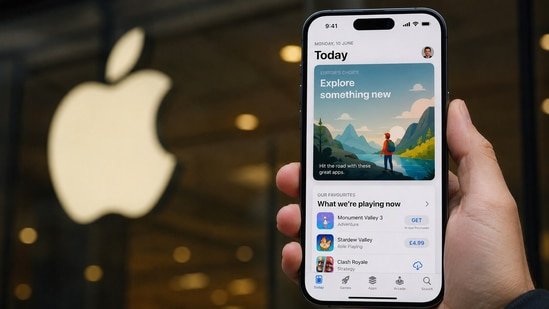
Apple has revealed that it blocked more than 2.2 billion dollars in potentially fraudulent transactions in the year 2025. It is a part of the company’s efforts to tighten security across the App Store using a mix of human review and machine learning technologies.
The company also rejected over 2 million app submissions last year and stopped more than 1.1 billion attempts to create fraudulent customer accounts, highlighting the scale of malicious activity targeting the App Store ecosystem.
Apple says that more than 850 million weekly visitors come to the App Store across 175 storefronts globally, making fraud prevention and platform safety a major focus for the company.
Apple cracks down on fake accounts and malicious apps
Apple reported that scammers are now using advanced methods such as bot networks and AI to create fake reviews, manipulate app rankings, spam users, and push fraudulent apps.
Apple said that its Trust and Safety teams are using advanced machine learning systems alongside human moderation to identify suspicious activity more quickly and with improved accuracy.
In 2025, Apple terminated around 193,000 developer accounts linked to fraud concerns and rejected over 138,000 developer enrolments before they could even enter the platform. The company also deactivated another 40.4 million customer accounts associated with fraud and abuse.
Apple additionally blocked 28,000 illegitimate apps distributed through pirate storefronts. These included malware-infected apps, gambling apps, pirated software, and modified versions of legitimate App Store apps.
The company also revealed that it prevented nearly 2.9 million attempts in the last month alone to install or launch apps distributed outside the App Store or approved alternative marketplaces.
Over 9 million app submissions reviewed
Apple said the rise of AI development tools has significantly increased the number of app submissions received by the App Store review team.
In 2025, Apple reviewed more than 9.1 million app submissions and welcomed over 306,000 new developers to the platform. However, more than 2 million submissions were rejected for violating App Store guidelines.
This included over 443,000 submissions rejected over privacy violations and more than 371,000 submissions blocked for being spam, copying existing apps, or misleading users. Another 22,000 submissions were rejected for hidden or undocumented features.
Apple also highlighted the growing issue of “bait-and-switch” apps. These are apps that initially appear harmless during review, such as puzzle or calculator apps, but later change their functionality after approval to carry out scams or financial fraud.
According to the company, nearly 59,000 apps were removed in 2025 for engaging in such practices. Apple’s TestFlight platform also saw tighter checks, with over 2.5 million app submissions blocked from distribution due to security or fraud concerns.
Fake reviews and payment fraud remain major concerns
The company said it processed more than 1.3 billion App Store ratings and reviews in 2025. Out of these, nearly 195 million fraudulent ratings and reviews were blocked before appearing publicly.
Apple also stopped around 7,800 deceptive apps from appearing in App Store search results and blocked another 11,500 apps from appearing on App Store charts.
On the payments side, Apple revealed that it stopped over 5.4 million stolen credit cards from being used for fraudulent purchases last year. Nearly 2 million user accounts were also banned from making further transactions.
The company noted that more than 680,000 apps currently use Apple’s payment technologies, including Apple Pay and StoreKit.
Apple says App Store safety investments will continue
The company highlighted tools such as Screen Time, Ask to Buy, and stricter Kids category guidelines designed to improve safety for younger users. In 2025 alone, Apple rejected more than 5,000 apps from appearing in the Kids category for failing to meet its standards.
With AI-driven scams and fraud attempts becoming more sophisticated, Apple is increasing its focus on automated detection systems to maintain App Store security while also leveraging human review teams to improve accuracy.
