


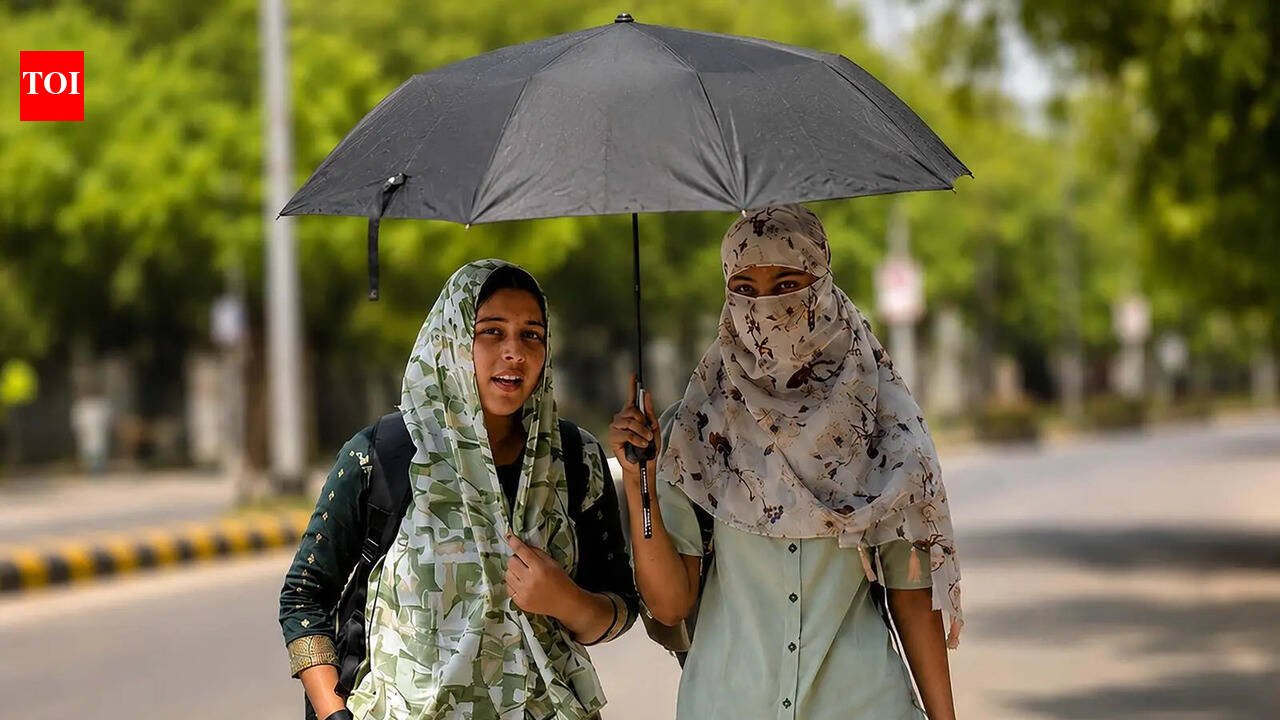
Gurgaon: Nights continue to remain unusually warm in the city, with the KVK automatic weather station recording a minimum temperature of 29.8 degrees Celsius on Tuesday, the highest recorded so far this season.The official India Meteorological Department (IMD) station recorded a minimum temperature of 28 degrees Celsius, which was 3.7 degrees above normal. Day temperatures also remained high, with the city recording a maximum temperature of 44 degrees Celsius, 3.4 degrees above normal.The unusually high nighttime temperatures have added to discomfort across the city, with residents reporting warm and humid conditions late into the night and the early morning hours.“I stepped out around 11pm thinking it would be cooler, but the heat still felt intense,” said DLF Phase 4 resident Richa Malhotra. “Even with the AC on, the house was not cooling properly.”Rohit Verma, a resident of Sector 56, said the weather has made sleeping difficult over the past few nights. “There is hardly any relief after sunset. By morning, you still wake up feeling exhausted,” he said.IMD has issued a heatwave to severe heatwave warning for Haryana till May 26, with dry weather conditions expected to continue across the state over the next seven days.Under IMD criteria, a heatwave is declared when the maximum temperature crosses 40 degrees Celsius and is at least 4.5 degrees above normal.On Wednesday, several parts of Haryana recorded extreme daytime temperatures. Rohtak was the hottest in the state at 46.9°C, followed by Bopani in Faridabad at 46.4°C and Sirsa at 46.2°C. Ambala recorded 45.8°C, while Narnaul touched 45.6°C.District-wise warning maps issued by the weather department placed most parts of Haryana, including Gurgaon, under the “be prepared” category, indicating continued heat stress conditions.Doctors warned that prolonged exposure to such weather can take a serious toll on health. “Heatwaves impose significant physiological stress on the body, affecting multiple organ systems, including the brain,” said Dr Mudasir Mushtaq Shah, senior consultant, interventional neurology, Narayana Hospital.He said excessive sweating during extreme heat results in the loss of water and essential electrolytes such as sodium and potassium, affecting nerve conduction and muscle function. “Dehydration reduces blood circulation and oxygen delivery to vital organs. People may experience fatigue, headache, dizziness, muscle cramps and reduced cognitive performance,” he said.Dr Shah added that even mild dehydration can impair attention, memory and reaction time, while prolonged heat exposure may lead to confusion and disorientation. In severe cases, it can trigger heatstroke, a medical emergency marked by very high body temperature and altered mental status.He advised people to stay hydrated, avoid outdoor activity during peak afternoon hours, wear light and breathable clothing, and remain alert to symptoms such as dizziness, excessive fatigue and confusion.Climate experts said emerging El Niño conditions could further intensify heatwave patterns across India this year. “A developing El Niño, particularly if it intensifies into a strong or ‘super’ El Niño event, can significantly amplify summer heatwaves in India,” said Dr Vishwas Chitale, fellow at the Council on Energy, Environment & Water (CEEW).He said El Niño conditions usually weaken cloud formation and rainfall, resulting in drier conditions, reduced soil moisture and clearer skies that allow temperatures to rise more rapidly.“Our analysis of the last four decades shows that the frequency of very hot days and warm nights has generally been significantly higher following El Niño years,” Chitale said, adding that IMD’s forecast of below-normal southwest monsoon rainfall could have implications for agriculture, water resources and the economy.Meteorologists said rising nighttime temperatures are a growing concern as they prevent the body from recovering from daytime heat exposure. Urban areas tend to retain heat longer because of concrete structures, traffic and dense construction.No rainfall was recorded in Gurgaon during the past 24 hours, according to IMD data.
