


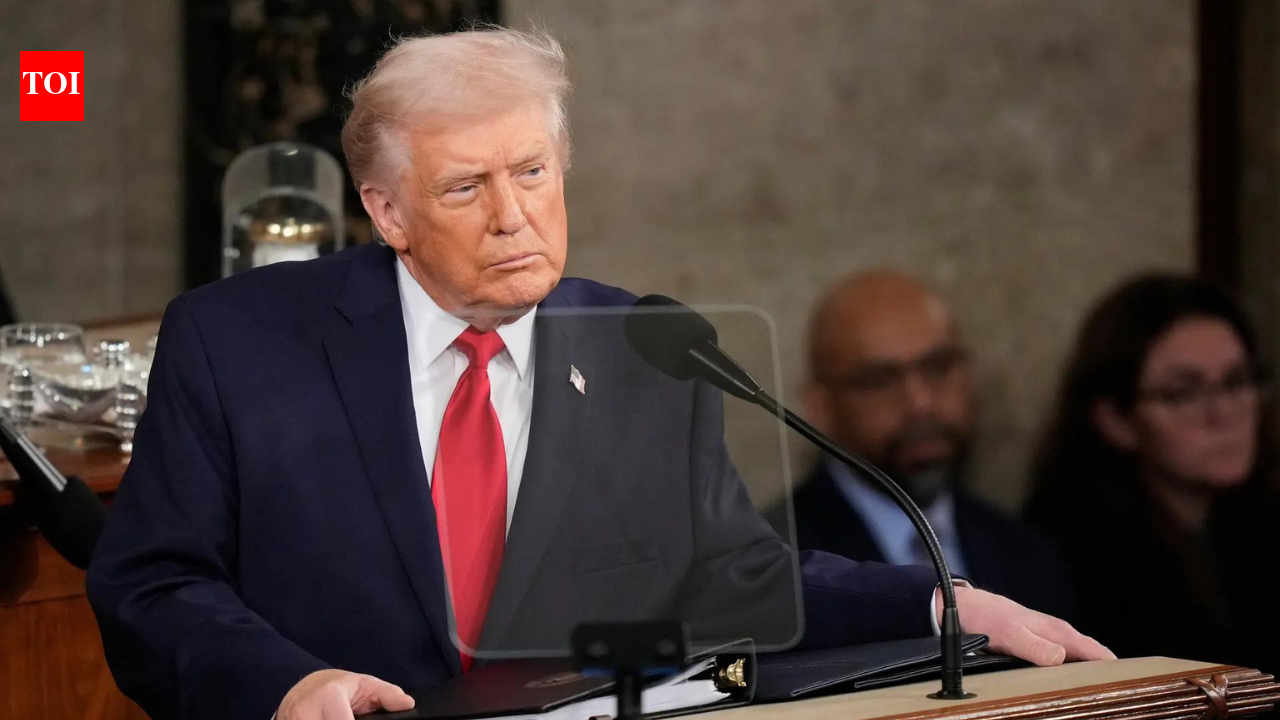
US President Donald Trump on Wednesday seemed to be losing patience over delay in Iran’s negotiations after threatened to attack Tehran hours after he said he was in “no hurry” to reach the deal. “Everything’s gone. Their navy’s gone. Their air force is gone. Just about everything. The only question is, do we go and finish it up? Are they going to be signing a document? Let’s see what happens,” Reuters quoted Trump saying.Meanwhile, a report said that work was underway to finalize the text of the deal between US and Iran, and its completion may be announced within hours. Pakistan’s army chief is likely to visit Iran on Thursday to announce the final version of the agreement, Al Arabiya reported, citing sources.Earlier, Trump had expressed his willingness to give another shot to peace talks with Iran. “I’m in no hurry. Everyone is saying, ‘Oh, the midterms.’ I’m in no hurry,” he said speaking to the reporters. This comes as Trump has repeatedly warned Tehran of fresh military strikes, while Iranian leaders have responded with threats of severe retaliation and escalating action.Saudi foreign minister Prince Faisal bin Farhan apprecited Trump’s decision to “give diplomacy a chance”. The kingdom “highly appreciates the US President Donald Trump’s decision to give diplomacy a chance to reach an acceptable agreement to end the war”, AFP quoted the minister saying.Iran’s chief negotiator had taken note of Trump’s threats and said United States wanted to restart the war after Trump said he would attack again unless Tehran agreed a peace deal.Mohammad Bagher Ghalibaf, who warned of a “forceful response”, was speaking after Iran’s Revolutionary Guards said any renewed war would spread far beyond the Middle East.“The enemy’s movements, both overt and clandestine, show that despite economic and political pressure, it has not abandoned its military objectives and is seeking to start a new war,” AFP quoted Ghalibaf saying.The US president is facing mounting domestic pressure as rising energy prices begin impacting households and businesses across the country. Although the ceasefire has paused the conflict, the crucial Strait of Hormuz, a route that normally carries nearly a fifth of global oil and liquefied natural gas supplies, remains shut.The unresolved status of the waterway has emerged as a major hurdle in negotiations, raising fears of wider economic fallout as countries continue drawing down pre-war oil reserves. The spike in fuel prices has already triggered unrest in Kenya, where protests have broken out and public transport has been severely disrupted due to heavy dependence on Gulf fuel imports.
