


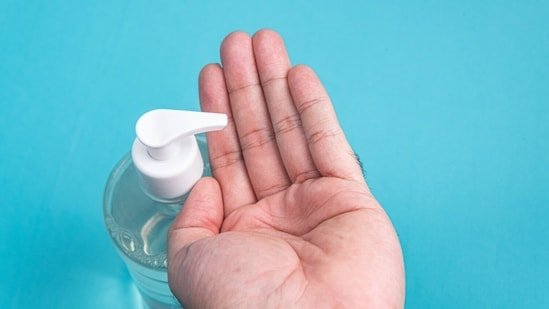
Using hand sanitiser has become very common, especially when one is outdoors. Public surfaces, from desks and handbags to school bags and public transport, are often regarded as contaminated carrying a lot of germs, prompting people to sanitise their hands repeatedly throughout the day.
ALSO READ: Scalp feeling itchy and greasy in summer? Dermatologist shares 6 tips on how to prevent
However, while maintaining hand hygiene is important to prevent infections and avoid falling sick, excessive sanitiser use can damage your skin, leading to various skin-related problems on the hand.
HT Lifestyle reached out to Dr Surbhi Deshpande, consultant dermatologist at Zynova Shalby Hospital, Mumbai, who explained how excessive sanitiser use and frequent handwashing can damage the skin barrier and increase the risk of hand eczema.
“Constant use of sanitizers and even frequent handwashing can damage the skin barrier, leading to dryness, itching, and painful hand eczema,” she warned, emphasising how going overboard with hygiene practices may backfire as well, which puts moderation and proper skin care equally important alongside cleanliness.
What happens when you overclean your hands?
The dermatologist observed that after the pandemic, using sanitiser has become a daily habit, but excessive usage is giving rise to hand eczema cases.
“If people frequently use alcohol-based hand sanitisers, then they can strip away the skin’s natural oils and damage its protective barrier. Hence, the skin can be dry, irritated, and sensitive. Over time, this can cause redness, itching, cracks, and hand eczema if anyone has sensitive skin,” she added, explaining how using too much sanitiser use can contribute to hand eczema risks.
How does hand eczema feel like?
The dermatologist also observed that hand eczema appears as inflammation, irritation and dryness of the hands. It occurs when the protective layer of the skin becomes weak due to constant exposure to chemicals, soaps, detergents and alcohol-based sanitisers. Those with eczema tend to scratch continuously and can also be at risk of skin infections caused by bacteria or fungi.
The severity can escalate over time, which is why the doctor warned, “There can also be bleeding due to the deep cracks, and it can be extremely painful for the person.” The appearance of the skin can also change. Dr Deshpande noted it can also become thick, dark and very sensitive over time,
Who can get hand eczema?
The doctor further explained that people who wash their hands frequently, such as healthcare workers, homemakers, salon staff, cleaners, and office goers, are more likely to experience hand eczema. Moreover, this condition can impact daily activities like cooking, typing, cleaning or even holding objects comfortably due to dryness, irritation and pain.
Treatment
The treatment depends on the severity of the severity of the condition. The dermatologist mentioned the treatment may include moisturisers, medicated creams, antihistamine medicines, and anti-inflammatory medications.
Note to readers: This article is for informational purposes only and not a substitute for professional medical advice. Always seek the advice of your doctor with any questions about a medical condition.
