


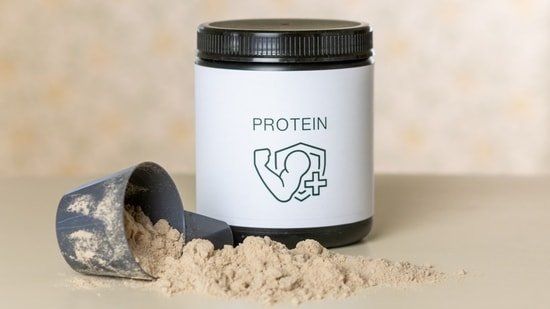
Protein powders have become increasingly popular among people trying to improve their fitness, muscle recovery, or overall nutrition – especially vegetarians and those who struggle to meet their daily protein requirements through food alone. However, simply adding a protein supplement to your routine is not enough to guarantee better health or results. Experts stress that whole food sources of protein should still remain a priority, and that beginners often make a few common mistakes that can lead to digestive discomfort.
Also Read | Had a small sweet treat and gained weight? Nutritionist explains that the extra weight is not actually fat
Khushi Chhabra, a holistic health nutritionist and wellness content creator, is breaking down some of the most common mistakes people make when they first begin using protein powders, explaining how these habits can often lead to digestive discomfort and poor results. In an Instagram video shared on May 17, the nutritionist explains, “Whether it’s whey or plant-based, most people dive in head-first and end up with bloating, constipation, or poor results. If you want to actually see the benefits of your supplement, you need to avoid these common mistakes.”
Ease into it
According to Khushi, suddenly increasing your protein intake can sometimes lead to digestive issues such as bloating, discomfort, and constipation. For those trying protein powder for the first time, she recommends easing into it gradually by starting with half a scoop initially. This allows you to observe how well your gut tolerates it before slowly increasing the quantity over time.
The nutritionist explains, “If this is your first time taking protein, be it plant or whey, don’t start with taking one full scoop of protein immediately. First take half scoop of protein, try it for three to four days, understand how your gut is feeling, then switch to one scoop of protein.”
Fibre is key
Khushi highlights that a high-protein diet also requires adequate fibre intake to keep digestion smooth and support healthy bowel movements. Simply increasing protein consumption without balancing it with enough fibre can contribute to bloating, constipation, and digestive discomfort. To avoid this, she recommends loading up on fibre-rich foods such as vegetables, nuts, seeds, and whole grains alongside your protein intake.
She explains, “Increase your fibre and protein intake together, because when people just increase their protein intake, not their fibre, they end up with constipation and bloating. So eat more veggies, whole grains, legumes and nuts to keep things moving.”
Stay hydrated
Khushi also stresses the importance of increasing water intake when consuming more protein, as proper hydration helps the body digest and process protein more efficiently. She recommends aiming for at least two to three litres of water for every 100 grams of protein consumed to support smoother digestion and reduce the risk of constipation or bloating.
The nutritionist highlights, “Increase your water intake as you are increasing your protein intake so that you can digest your protein well. Aim for two to three litres of water for every 100g of protein you consume.”
Food first
The nutritionist also emphasises that supplements alone should not become your primary source of protein, because whole foods must always come first. She explains that it is still important to prioritise naturally protein-rich foods such as eggs, paneer, chicken, and pulses in your daily diet, while protein supplements should only be used as additional support to help meet your requirements.
Khushi notes, “Don’t just rely on protein powder for your protein intake. Supplements are just that – a supplement. Please continue eating your non-veg and veg sources of protein (eggs, paneer, chicken, dals) together with your protein powder.”
Note to readers: This article is for informational purposes only and not a substitute for professional medical advice. It is based on user-generated content from social media. HT.com has not independently verified the claims and does not endorse them.
