


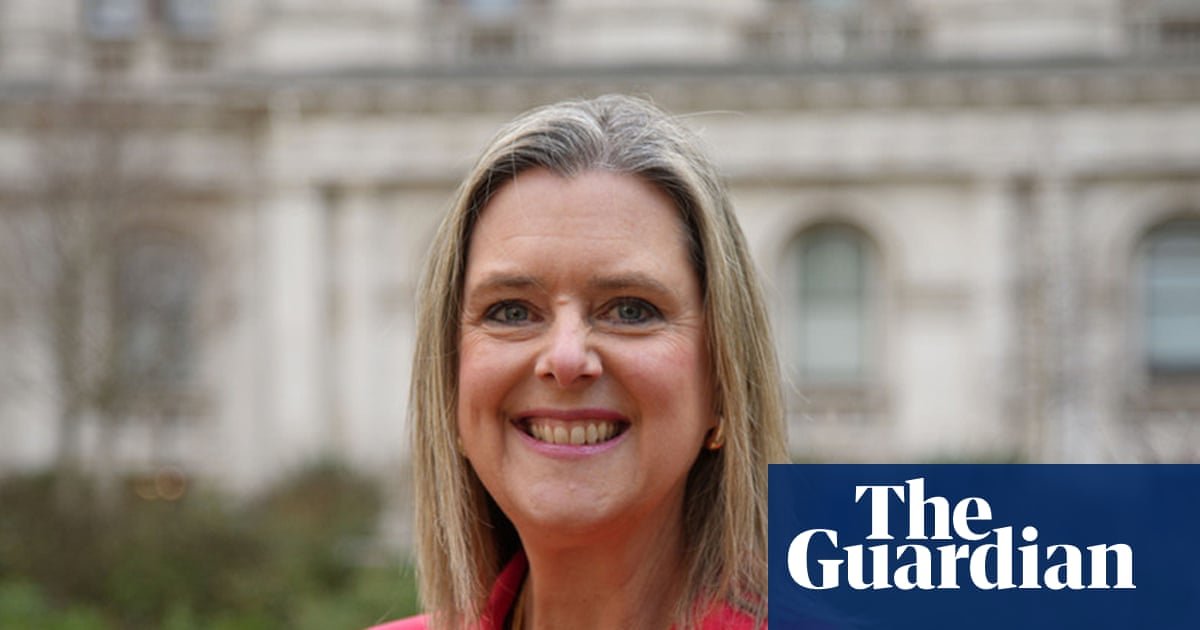
The UK’s next ambassador to Japan could be called to give evidence over the decision to award Peter Mandelson security clearance against the advice of vetting officials.
Corin Robertson was the Foreign Office’s (FCDO) chief operating officer when she was involved in the decision in late January 2025 to grant Mandelson clearance, according to evidence given to MPs.
Robertson, who is due to take up her post in Tokyo in August, is the only official among three top civil servants involved in the decision yet to be questioned by parliament.
A source on the foreign affairs select committee, which is investigating Mandelson’s appointment as ambassador to the US, said it would consider this week whether to call Robertson to give evidence. She could be asked to give evidence verbally, or respond to questions in writing.
The committee is nearing the end of its investigation into Mandelson’s appointment, but it is expected to wait until the release of further documents about the process, under the so-called humble address system, before reaching any final conclusions.
The decision to grant Mandelson clearance was made by Olly Robbins, the FCDO’s most senior civil servant. Robbins was sacked by Keir Starmer three weeks ago after the Guardian revealed he had granted Mandelson clearance despite the vetting agency recommending his clearance be denied.
Starmer said Robbins’s failure to inform him was “unforgivable” and he was “furious” about what had happened. Robbins has insisted he was right not to divulge to ministers information from the vetting process.
Robbins gave evidence last month. The FCDO’s former head of security, Ian Collard, who was also involved in the decision, did not appear in front of the committee but responded to questions via a letter from the Foreign Office.
Robbins and Collard said they had not read Mandelson’s vetting summary document produced by United Kingdom Security Vetting (UKSV), relying instead on verbal briefings about its contents. Collard’s evidence highlighted Robertson’s role in the decision.
Her appearance before the committee could help resolve some unanswered questions, as MPs struggle to piece together events, which have been hampered by lack of any written records or audit-trails recording the Foreign Office’s decision making in relation to Mandelson’s vetting.
Robbins and Collard relied on recollections of conversations and briefings which appear to have not been minuted. Robertson could be asked to corroborate these discussions.
It is now understood the UKSV advised Collard’s department on 29 January that there was “high” concern about Mandelson and security clearance should be “denied”.
However, Starmer had already confirmed Mandelson as his pick for ambassador, with Robbins testifying there was “pressure” to get him to Washington
Collard said he initially spoke about Mandelson’s vetting with Robertson, only talking to Robbins after he briefed her.
Collard told MPs, in evidence submitted on his behalf by the FCDO, that Robertson agreed “the risks could be mitigated” and Collard should take Mandelson’s case to Robbins for a “final decision”.
It is unclear whether Robertson reviewed the contents of Mandelson’s vetting file or whether she too relied on an oral briefing based on notes taken by Collard, who had in turn been orally briefed.
The Cabinet Office permanent secretary, Cat Little, testified that “anyone within the security chain” could request to see vetting information “if they feel it is necessary.”
Robbins and Collard also claimed UKSV had described Mandelson’s case as “borderline”, although there has been no publicly-released confirming that, and no other official who has seen the file has described it that way. If called before the committee, Robertson could face questions about whether she too recalls being told the case was “borderline” and if what the evidence was for that.
After Robbins’decision to give Mandelson security clearance, Collard sent an email to Robertson and one of Robbins’s close aides.
According to evidence heard by MPs, the email noted Robbins’s decision and mitigations, but did not set out the risks identified by UKSV. It has been provided to the Cabinet Office, which is collatingdocuments to be released to the public under the terms of the humble address, a parliamentary motion passed in February requiring the release of “all papers” relating to Mandelson’s appointmnet.
Robertson may be called to explain why Robbins and Collins sought to access copies of Mandelson’s vetting file in September 2025, after Mandelson was withdrawn from office. Neither Robbins or Collard have given an explanation for why they requested to see the file at that stage, despite not reviewing the document seven months earlier when giving Mandelson clearance.
Robertson, via the FCDO, did not respond to requests for comment.
The latest tranche of documents released under the humble address is due to be published by the government in the coming weeks. However there are growing concerns the files will be incomplete or censored.
On Friday, the intelligence and security committee, a parliamentary group of MPs and peers which is reviewing the most sensitive Mandelson documents before their release under the humble address, criticised the government for withholding his vetting file and applying and applying redactions “far too broadly”.
