


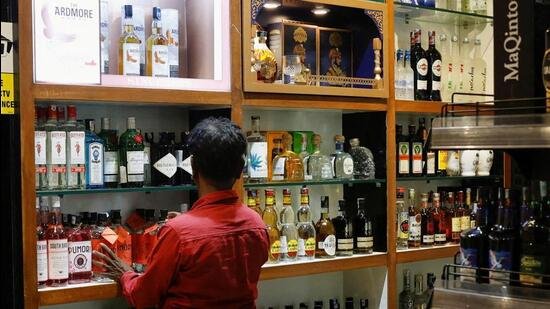
Karnataka introduced an Alcohol-in-Beverage (AIB)-based excise duty system, replacing its earlier bulk litre-based taxation model in what the state government described as the first such reform in India, which came into force on May 11.

It is intended to align liquor prices in Karnataka with those in neighbouring states while restructuring taxes according to alcohol content.
In a statement issued on Sunday, the Karnataka excise department said the move followed chief minister Siddaramaiah’s 2026-27 budget announcement and was aimed at rationalising liquor pricing and making alcoholic beverages available at comparatively lower prices.
“For the first time in India, the AIB-based excise duty structure has been implemented in Karnataka from May 11, 2026. It is globally recognised as the gold standard for alcohol taxation,” the department said.
The revised framework removes government-administered price fixation and allows producers to position products within pricing slabs based on market considerations and alcohol content.
According to the government notification issued on May 8, the number of Indian Made Liquor (IML) slabs has been reduced from 16 to eight.
Also Read:Liquor prices revised in Karnataka after new alcohol tax system implemented
Officials said the restructuring was carried out with the objective of keeping liquor prices in Karnataka relatively lower and comparable to rates in neighbouring Tamil Nadu, Andhra Pradesh, Telangana, Maharashtra and Kerala.
The policy, first proposed by the K.P. Krishnan-led Resource Mobilisation Committee on Karnataka excise reforms, links excise duty directly to the percentage of alcohol in beverages rather than volume. During the budget presentation in March, Siddaramaiah described the model as a globally recognised taxation system that directly targets alcohol content, “the primary source of negative externalities”.
The chief minister also set a revenue target of ₹45,000 crore from the excise sector for 2026-27.
Under the new structure, revised maximum retail prices will apply to products manufactured after May 11. The excise department also directed publication of updated prices and pack sizes for liquor and beer brands in leading Kannada and English newspapers across the state.
Industry estimates suggest that prices of mild and lager beers with 5% alcohol content could fall by 20-25%, while premium Scotch whisky prices may decline by about 20%.
Representatives from the liquor industry said premium and imported alcoholic beverages sold by multinational companies were expected to become cheaper by 16-20%.
At the same time, trade bodies said lower-priced liquor products, particularly 180ml tetra packs of whisky, rum, brandy, gin and vodka, could become costlier by 20-30%.
The Karnataka Brewers and Distillers Association said the first five excise slabs– accounting for nearly 70-75% of the state’s excise revenue and covering most Karnataka-based distilleries– had seen additional excise duty rise by 20-30%.
In comparison, the association said slabs 6 to 8, which largely include premium alcoholic beverages produced by multinational firms, received a 10-15% reduction in additional excise duty.
A senior member of the association said the retail price of a 180ml bottle in the lowest slab already increased substantially over the past year. According to the representative, a quarter bottle that earlier retailed at ₹63 increased to ₹80 after a previous revision and could now rise further to ₹105 under the new slab structure.
Domestic manufacturers and trade bodies argued that the revised framework imposed a heavier tax burden on budget liquor categories dominated by Karnataka-based distilleries.
The changes come as the alcoholic beverage industry faces rising production costs linked to global supply disruptions and higher energy prices amid the continuing conflict in West Asia.
The Brewers Association of India welcomed the implementation of the new system, describing it as a reform that could simultaneously support revenue generation and encourage moderate alcohol consumption.
“AIB-based taxation structure by the Karnataka government is the first in the country which directly optimises revenue maximisation with desired public health outcomes. We salute CM Siddaramaiah for bringing in such a major excise policy reform. We hope that other states too implement such explicit linkage of tax with alcohol content,” said Vinod Giri, director general of the Brewers Association of India.
“Notified tax rates in Karnataka are expected to raise prices of low-end cheap spirits and at the same time bring prices of mild alcoholic beverages such as beer down. This will encourage consumers to switch to more moderate and less harmful alcohol consumption. This is what alcohol taxation frameworks worldwide are designed to do,” he said.
He added that the model is based on the principle that “the product to be taxed is the alcohol and not the water” and described it as the global standard for alcohol taxation.
