


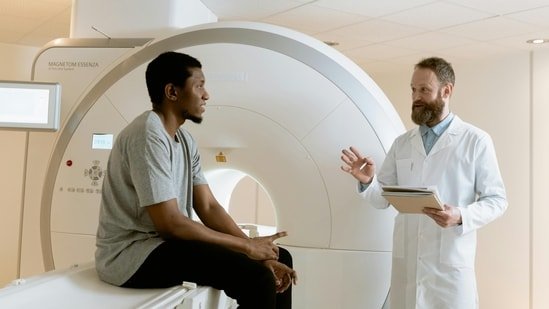
Prostate cancer is one of the leading types of cancer in men, and according to Dr Peter Atangwho, a physician based in Nigeria and founder of the online health community @FirstDoctor, one in eight men will have it in their lifetime. Taking to X on May 12, he shared that despite the implications of being diagnosed with cancer, prostate cancer is curable if caught early. However, late-stage diagnosis means danger.
“The worst thing about prostate cancer is that early on, it is silent. No pain. No blood. No drama. By the time it announces itself loudly, it has often already spread,” he stated, adding, “The signs that do show up early get dismissed as ‘just part of getting older.’”
He went on to list the common warning signs of prostate cancer, both early and late. He also shared which groups of men are at high risk, and what they can do about it.
Early warning signs of prostate cancer
There are subtle early signs of prostate cancer which most men brush off as nothing. However, according to Dr Atangwho, the following are worth looking into:
- Needing to urinate urgently, especially at night
- Weak or interrupted urine flow
- Difficulty starting or stopping urination
- Feeling your bladder never fully empties
- Burning or discomfort when peeing.
Later signs of the disease, which signify that the cancer is already progressing, include the following:
- Blood in urine or semen
- Unexplained weight loss
- New onset of erectile dysfunction
- Bone pain, especially in the spine
- Pain in the hips, lower back, or pelvis that doesn’t go away
When the second group of symptoms appear, the prostate cancer is no longer in its early stages, shared the physician.
Highest risk groups for prostate cancer
While prostate cancer can affect all groups of men, there are some who are at higher risk of being diagnosed with the disease. They include:
- Men above the age of 50
- Men with a family history of prostate cancer
- High-fat diet, low exercise
- Men with obesity
- Black men are two times more likely to have prostate cancer, and it tends to be more aggressive in them
If one checks any three of the above criteria, it is important to get in touch with a doctor and get screened, shared Dr Atangwho.
Things to do for men at high risk
Those who have a high risk of prostate cancer should consider asking the following of their doctor:
- PSA blood test (Prostate-Specific Antigen)
- Digital rectal exam (for ages 50 and above)
- Earlier screening
“Unfortunately, most men ignore the signs for years before diagnosis until it’s too late,” shared Dr Atangwho. “Early diagnosis gives you the best chance for a prostate cancer cure. Remember, prevention is 1000 times better than cure.”
Note to readers: This article is for informational purposes only and not a substitute for professional medical advice. Always seek the advice of your doctor with any questions about a medical condition.
This report is based on user-generated content from social media. HT.com has not independently verified the claims and does not endorse them.
